
Eco-friendly home maintenance can feel like an extra chore and another thing to worry about. But it’s actually a lot easier than you might think. All it really takes is some small changes to your typical habits to see things another way. It typically doesn’t cost anything and can even save money in some cases. But how can extra work save money? Because it isn’t really any real work! From eco cleaning products to HVAC maintenance, here are some suggestions.
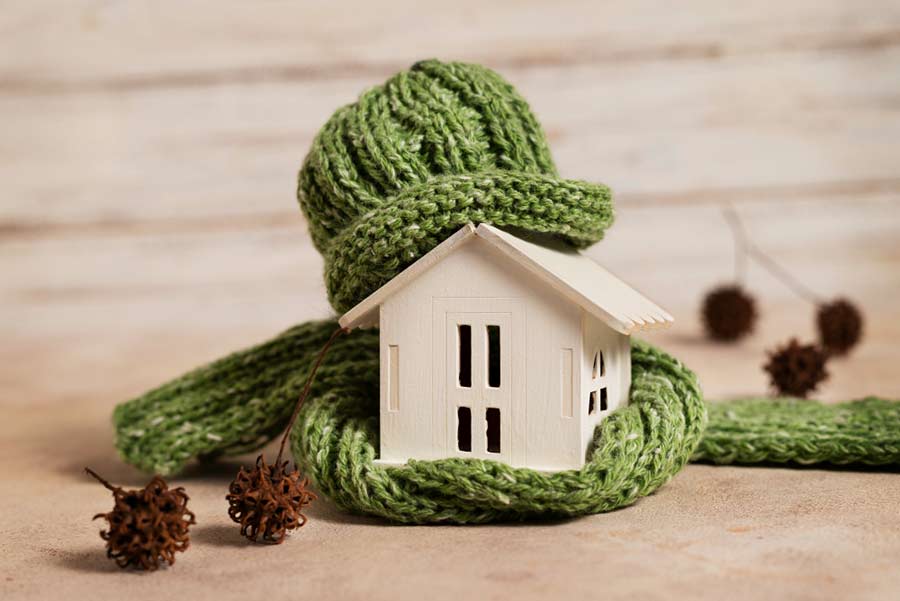
Address Roof Sealing and Insulation
Your home loses a lot of heat through the ceiling. It’s not the only spot, but it’s the most critical since heat rises. Reliable local roofing services can inspect the roof and make recommendations about the best ways to maintain it to keep the heat in and the cold out. You can also have an inspector check out the windows and doors. Tiny gaps can be the cause of a lot of heat loss, but all it takes is some sealant, such as caulking, to keep your house warmer.
Cleaning Products for Eco-Friendly Home Maintenance
Most home cleaning products contain harmful ingredients such as volatile organic compounds. In fact, up to 75% cleaning supplies are hazardous to the environment and yourself. However, you can switch to less damaging products for a home that is eco-friendly, as it is clean:
- Avoid cleaners that use chemicals known to pollute the air and the waterways.
- Switch to less harmful plant-based, non-toxic, and biodegradable cleaning products.
- Make your own using ingredients such as lemon juice, vinegar, and baking soda.
Conserve the Water You Use
Like electricity, we can use far more water than we should. However, also like electricity, small changes can make a big difference. For example, you don’t need to take a fifteen-minute shower each morning, and the tap doesn’t need to run when brushing your teeth. You can also save a lot of power, water, and money by using the “eco” modes that come with appliances such as the washing machine and dishwasher. And fixing plumbing issues will reduce water waste.
Switch to Reusable Products
Single-use plastic items are among the worst offenders against the environment. Manufacturers are making some major changes to packaging, but consumers have a role to play, too. There are many reusable products you can switch to beyond water bottles, though! Bathroom washcloths and natural sponges are a good example. Reusable containers offer far more value than single-use ones, as they can be used for storage and will reduce how much plastic you use.
Recycle for Eco-Friendly Home Maintenance
Recycling is one of the easiest and best-known ways to make a positive change at home. However, figures are still pretty low. For instance, 73% of US homes have access to recycling services, yet only around 43% of those choose to use them. So most homes can do better. You don’t have to send everything to a landfill, and even recyclable plastic can be made into clothing.
Reduce your waste
The best start to a more eco-friendly home is to simply reduce how much you use in the first place. Minimizing waste with minimal packaging and reusable items is pretty powerful.
Reuse whenever possible
Most items can have a second chance when you are done with them. Instead of throwing things away, such as clothing, you can donate them, or you can use glass jars and bottles for storage.
Recycle as a final step
Only when something has reached the end of its use for you, take it to a recycling center. This includes everything from cardboard to electronics, which can be broken down for reuse.
Start a Compost Bin
If you enjoy cooking fresh food and gardening, composting is a great bonus way to get more from your waste, and all while being more eco-friendly. Food scraps such as uneaten foods, vegetable peels, and fruit skins are rich in nutrients. You can use them for composting, which breaks them down as they decay. During this process, they release their nutrients and gases such as nitrous oxide. The resulting compost can then be used for feeding your soil.
Improve Natural Indoor Air Quality
Indoor air quality is an overlooked part of personal health. In fact, keeping the windows closed can be one of the most damaging things you can do for your health, even if you live in a high-pollution area. Stale indoor air contains all kinds of allergens and bacteria, and it needs to be refreshed. If you want to neutralize odors, then go for essential oil diffusers, potpourri, and indoor plants instead of harmful synthetic sprays that often contain hazardous chemicals.
Eco-Friendly Home Maintenance with HVAC
A poorly-maintained HVAC system uses between 30% and 60% more energy. That’s a lot that is added to your bills and your carbon footprint. However, HVAC maintenance isn’t even that hard, and some weekly and monthly checks can save your wallet just as much as the environment:
- Measure how long the filters last for each season and change them on time.
- Check the outdoor unit and remove any leaves and debris from around it.
- Inspect the cooling coils and ducts, and clean and remove dust if necessary.
Become More Energy Efficient
Energy efficiency is one of those things that everyone talks about, but can it really help? An LED light uses up to 90% less than a standard lightbulb, so that’s a good start. But it’s not all about LED strips. One of the biggest changes you can make is investing in new appliances. Modern appliances are designed to meet higher energy standards than those from only five or ten years ago. This means a new washer/dryer, for an energy efficient kitchen can save power and cash.
Summary
Calling a roofing expert about sealing and insulation is a good first step to eco-friendly home maintenance that can make a big difference. Of course, many people will begin recycling as a first step, but you can also become more energy efficient by replacing outdated appliances.















You must be logged in to post a comment.