
Most people think improving nutrition means giving up everything that they enjoy. That’s one reason that many people fail with their healthy eating plans before they have even really got started. But the truth is, real progress does not come from having loads of strict rules in place. It comes from being more consistent. When you are able to make smaller, realistic adjustments, it makes it far easier to stay on track and to feel better without ever feeling deprived.
Healthy eating isn’t just about food. It’s also about making sure you are building habits that fit your lifestyle. When you mix more changes that last, you build a foundation that supports energy, focus, and confidence over time.
Start With Awareness
Before you change what’s on your plate, you need to look at your current habits. You need to have a look at how you feel after meals, how often you are snacking, and when you tend to eat out of stress or boredom. Most people eat on autopilot without even realising what choices they are making.
Writing those things down for a few days is a good awareness tool for you to use, and it can be very eye-opening. You’ll start to see some patterns, such as late-night cravings or skipped breakfasts. Once you recognise them, it is far easier for you to make the small, steady improvements that you need rather than changing everything.
Prioritise Whole Foods
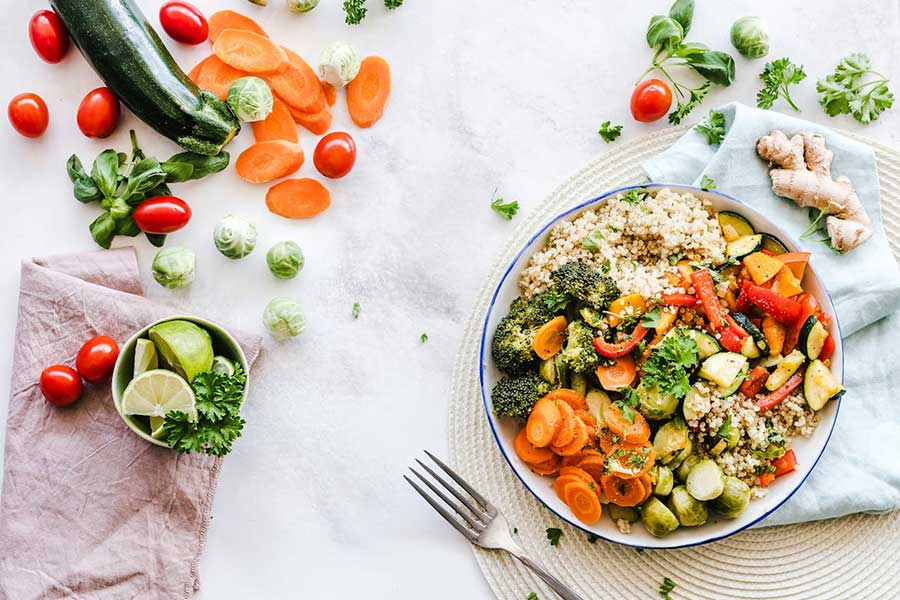
It’s not about cutting out every single tree. It’s more about making sure that most of your food comes from proper ingredients. Whole foods like fruits, vegetables, lean proteins, and grains all help to look after your digestion and help your body function the way that it is meant to.
These types of foods also help to keep you full for longer, which means that you often have fewer cravings, and you will see better energy levels throughout the day. This naturally helps with portion control without you feeling as though it has been forced. If your goal includes supporting weight loss, focusing on whole, nutrient-dense foods gives your body exactly what it needs while still allowing you to have flexibility for the foods that you love.
Think of it this way: eating well isn’t a punishment. It’s a form of self-respect. You are choosing to give your body the right fuel so it can actually show up for you. This will be in your work, your workouts, and your everyday life.
Plan, Don’t Restrict
Meal planning doesn’t have to mean prepping identical lunches in plastic containers for the whole week. It just means that you need to think a little bit more ahead. If you know what your schedule is going to be, then you can cook a few simple meals in advance. Keep healthy snacks within reach. This helps loads when you are busy.
Having nutritious options ready makes it less likely that you’re going to grab something processed when you are tired or rushed. The goal isn’t to be perfect. It’s just to be a little bit more prepared.
You can also plan flexibility into your week. If you know that you’re going to be heading out for dinner, you can just adjust your different meals slightly so you can enjoy that night out without feeling guilty. Balance means that healthy eating is far more sustainable.
Don’t Overlook Hydration
Staying hydrated affects everything from your digestion to your focus and any recovery. Dehydration can make you feel hungrier, too, even when your body actually needs water. Instead, keep a bottle nearby throughout the day to maintain your energy levels. It also helps to look after every single system in your body.
If you struggle to drink enough water, think about adding a few flavours to it, such as berries or lemon. Even mild hydration habits can make a difference in how you actually feel.
Mindful Eating Builds Control
Most overeating happens because people are eating too quickly or they’re eating while they are distracted. Slowing down means that your body is sending you the signal that you need to tell you that you are full before you have eaten too much. Try putting your fork down between bites or taking a few breaths before you eat.
When you focus on the food that is in front of you, how it tastes, smells, and feels, you are going to make better choices. It’s not about being really disciplined; it’s more about being more aware. When you have this type of mindfulness, it makes it far easier for you to manage your portions and enjoy food without feeling guilty.
The Bottom Line
Nutrition isn’t about restricting yourself; it’s more about rhythm. When you find a way of eating that fits your lifestyle, it becomes more effortless for you to look after yourself. You’ll have more energy, you’ll find that you have fewer cravings, and you will have more control over your health. The key is to start where you are and build slowly. Your body is going to thank you for it in the future.














You must be logged in to post a comment.