
Hearing is an important sense that many of us don’t appreciate enough until it’s damaged. There are a lot of different factors that can impact your hearing. From genetics to how well you look after them.
From loud working environments to simply listening to music through headphones, if you’re not wary of how these impact your hearing, then you could be doing irreversible damage.
In this guide, we’ll look at how you can feel empowered when it comes to your hearing and the tips for making the most out of the hearing devices available.

Be open and assertive
If you’ve recently discovered you’ve got hearing loss, or you’re struggling with your hearing, then inform your friends, family, and colleagues of such. Confidence is important to have, even when your hearing is compromised. Ultimately, there’s nothing wrong with having limited hearing, yet there’s often a stigma of shame attached to it.
Thankfully, a lot has changed in the world of hearing aids, meaning there’s a lot more choice and plenty of resources to help make an informed and confident decision in your hearing aid selection.
Don’t be afraid to ask for what you require as you’re asserting your right to equal access and inclusion. It’s easier with family and friends, but you might want to know your needs and wants for hearing when it comes to public environments.
Find the right spot at public events
When you’re at a public event, it’s always good to scout out the place in order to find the right position for an ample hearing and viewing experience.
For example, positioning yourself to face the speaker and making sure the area is well-lit will aid all visual cues and lip-reading given.
It’s worth trying to minimize background noise where possible by choosing quieter venues for conversations, too. Sometimes that’s not possible, but finding those places where hearing conversations is a lot better than struggling with the noise is helpful.
Provide guidance for others
Not everyone knows how to communicate effectively with those who are hearing of hearing. For example, they may turn their head when they’re talking to you, which can be difficult when you’re trying to lip-read.
Instead of expecting them to know what to do, provide guidance instead. Ask others to speak clearly and at a natural pace rather than shouting or speaking quickly. Shouting can often distort the sound.
Encouraging them to rephrase if you don’t understand helps to get the conversation across, rather than them just repeating the same words over and over again
Confirming your understanding can also help the other person or persons know that the things they’re saying are being heard properly.
Repeat back any key information, such as times or phone numbers, to ensure accuracy and prevent any misunderstandings from happening.
Rely on visual cues where possible
There’s often a lot that we don’t say when it comes to our bodies, beyond just what comes out of our mouths.
With that in mind, when you’re having a conversation with someone, pay attention to their facial expression. Look for visual cues in the form of gestures and body language in order to add context to the spoken words being said.
These visual cues can provide a lot more information when you’re missing context or some of the words being said in the moment. You’re less likely to need repetition when you’re paying attention to visual cues.
Explore assistive devices
If you’re at the beginning stages of your hearing loss journey, then you might not be fully aware of what assistive devices are out there. With that being said, speak to an audiologist about devices like cochlear implants or hearing aids.
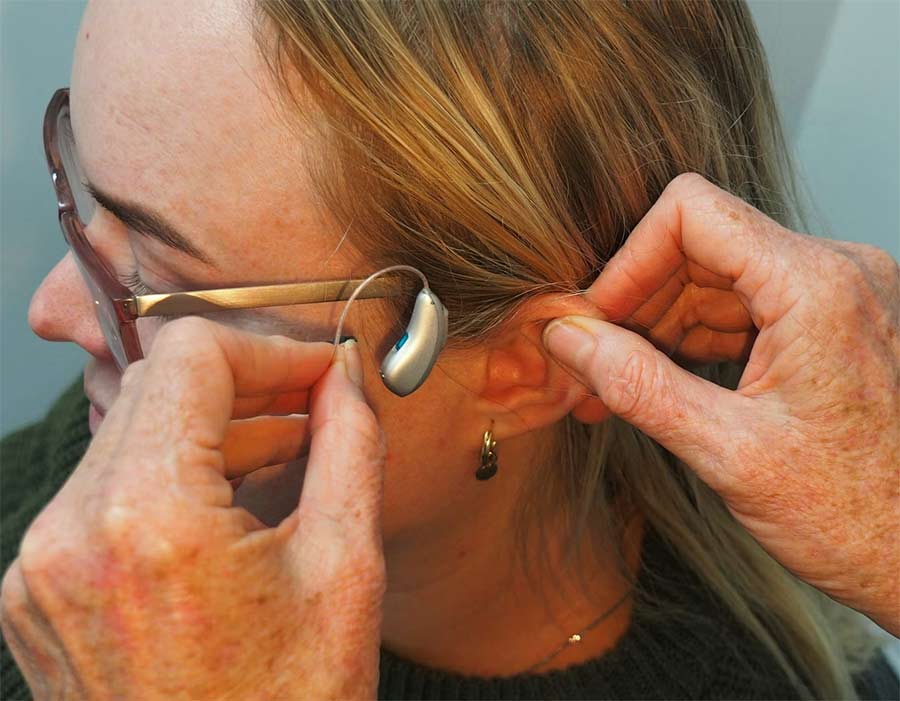
These assistive devices can do a lot in significantly improving your ability to participate in conversations or activities you might not have been able to do previously. Using these tools is a sign of resourcefulness, so it’s good to check out what’s available and what is possible with the budget you have.
Everyone’s hearing loss is different in its severity, so you must explore the options and look at what’s possible for you. Getting your hearing checked every year is a must-do, too, especially as you get older or you’re used to working in loud environments.
Utilize technology
Technology is a wonderful thing, and thankfully, there’s a lot of great technology available to use for those who are hard of hearing. There are plenty of apps to make use of for live captioning. The same goes for in-person conversations and other tools like visual alerts for alarms.
A lot of public spaces have hearing loops, which means the sound that’s being projected goes straight into the person’s hearing devices.
Seek professional guidance and find your community
There’s a lot of useful guidance out there, and so it’s important to find what resources are beneficial to use for yourself. Seeking professional guidance with regular check-ins with an audiologist can be helpful. A hearing healthcare professional helps with managing your hearing health and exploring new solutions.
Not just that, but contacting local support groups or online communities can help with getting the most out of the experiences you have when it comes to your hearing. Outdoor hearing health guidance is also useful for making sure you optimize your hearing.
Accept your hearing loss and focus on your strengths
It’s important to accept your hearing loss for what it is. Understanding hearing loss is a medical condition and not a personal failure or something to be embarrassed about.
Remember that hearing loss doesn’t make up who you are in general. It’s just one part of you, and so it’s good to focus on all of your strengths too.
Try to practice positive self-talk if you’re someone who often finds themselves struggling to think positively about their hearing. Set achievable goals if you’re looking to improve your adoption of hearing aids. Above all, help others by educating them on hearing loss so that it reduces the stigma attached to it, even nowadays.















You must be logged in to post a comment.