
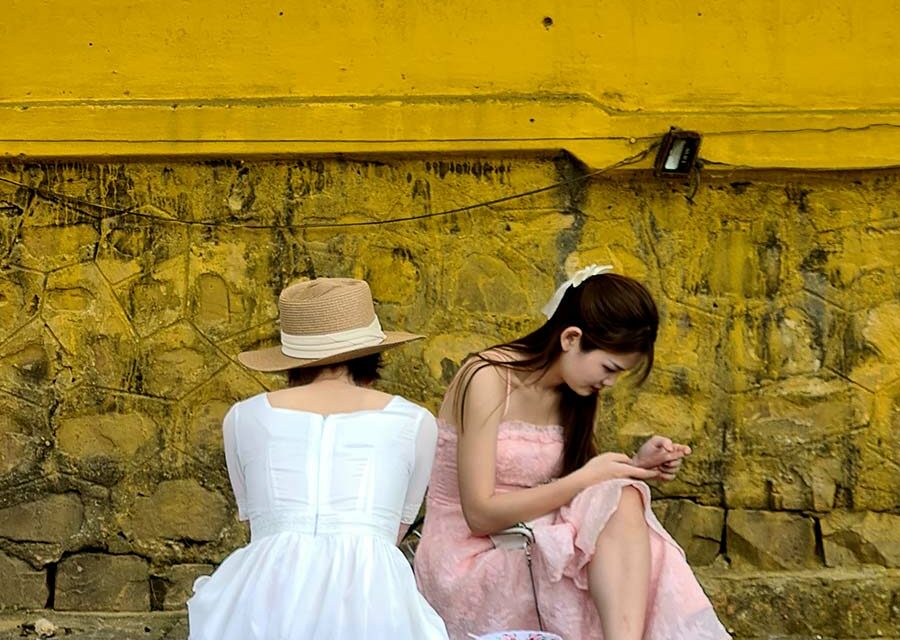
After more than thirty years of travel, I’ve learned something that no guidebook, algorithm, or “Top 10 Must-See” list ever taught me: the faster you move, the less you actually see.
Modern travel culture pushes us to speed—city to city, landmark to landmark—fuelled by the fear that we might miss something. But in trying to see everything, we often miss what truly matters. The nuance. The texture. The moments that aren’t Instagrammed but stay with you long after the suitcase is unpacked.
The rise of slow tourism is not about doing less; it’s about seeing more—by allowing yourself to be fluid, flexible, and open to the unexpected.
Resist the Urge to Rush
You may feel compelled to hurry from one place to another in a quest to maximise your time. I understand that instinct. I’ve lived it. But the most meaningful travel experiences rarely happen on schedule.
Slow tourism invites you to loosen your grip on rigid plans and instead follow a rhythm shaped by curiosity rather than urgency. It’s about arriving somewhere and asking not “What should I see?” but “What’s happening here right now?”
When you slow down, destinations stop being checklists and start becoming stories.
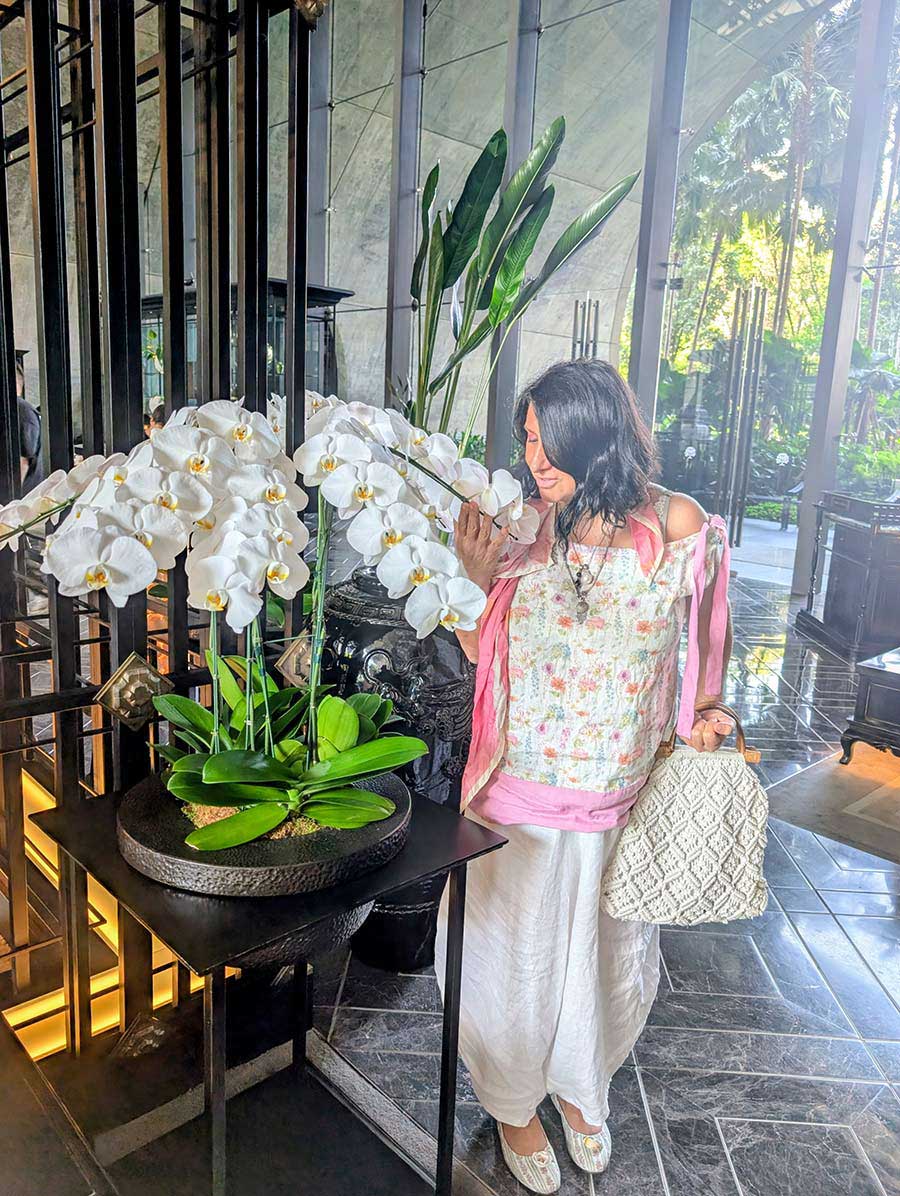
Cast Your Net Wider Than the Main Attractions
Iconic landmarks have their place, but they are only the surface layer of a destination. To travel deeply, you need to widen your net—beyond the obvious, beyond the well-trodden paths.
Think of wildlife reserves, national parks, and smaller villages that exist quietly alongside more famous neighbours. These are the places where life unfolds without performance.
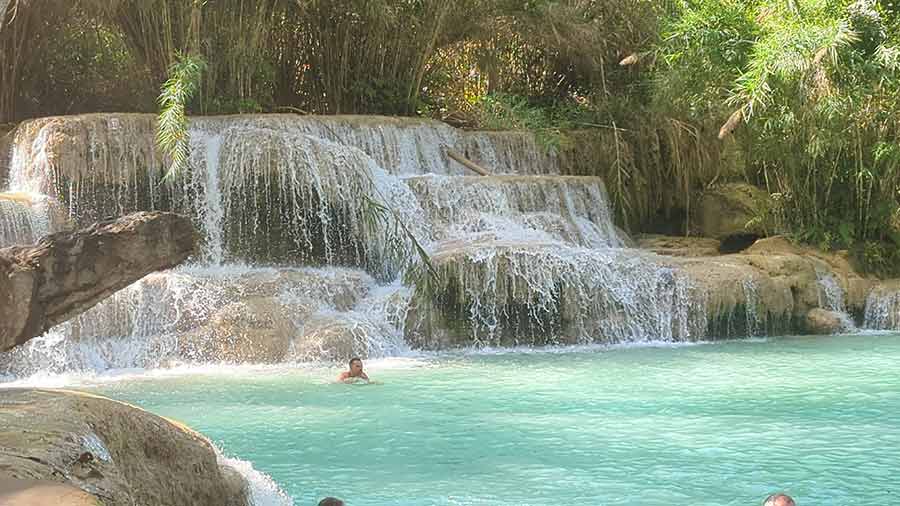
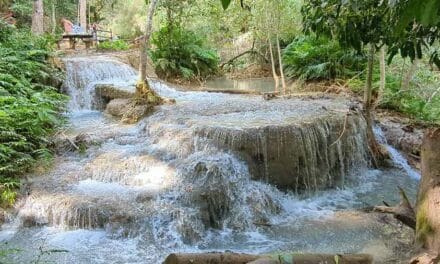
Take Luang Prabang, for example. The town itself is charming, but the real magic often lies beyond its centre—cycling into the surrounding countryside, wandering near the waterfalls, listening to the sound of water and insects rather than traffic and tour groups. It’s here, outside the frame of postcards, that Laos reveals its soul.
The same applies across Southeast Asia and beyond. Step outside the capital cities. Explore the spaces between destinations. That’s where authenticity still breathes.
Follow the Detour
My travel life today is defined by spontaneity. After three decades on the road, I don’t crave perfection—I crave surprise.
I need the unexpected diversion. The wrong turn that leads somewhere right. The unplanned pause that becomes the highlight of the trip.
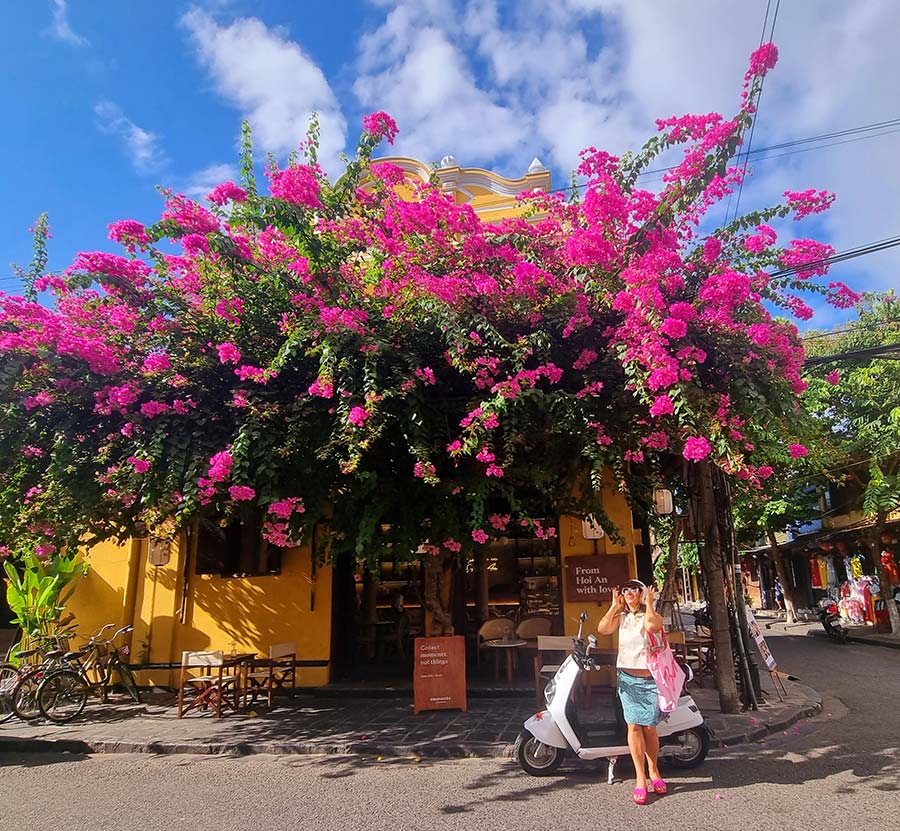
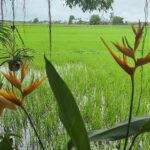
A daytime stroll through the rice fields of Hoi An, for instance, offers more insight into Vietnam than any crowded heritage street. The rhythm of farmers working the land, the reflections of the sky in flooded paddies, the quiet hum of daily life—this is travel as observation, not consumption.
Slow tourism rewards those who walk without destination, who allow curiosity to dictate direction.
Let Discovery Find You
Some of my favourite travel memories are wonderfully ordinary—and completely unplanned.
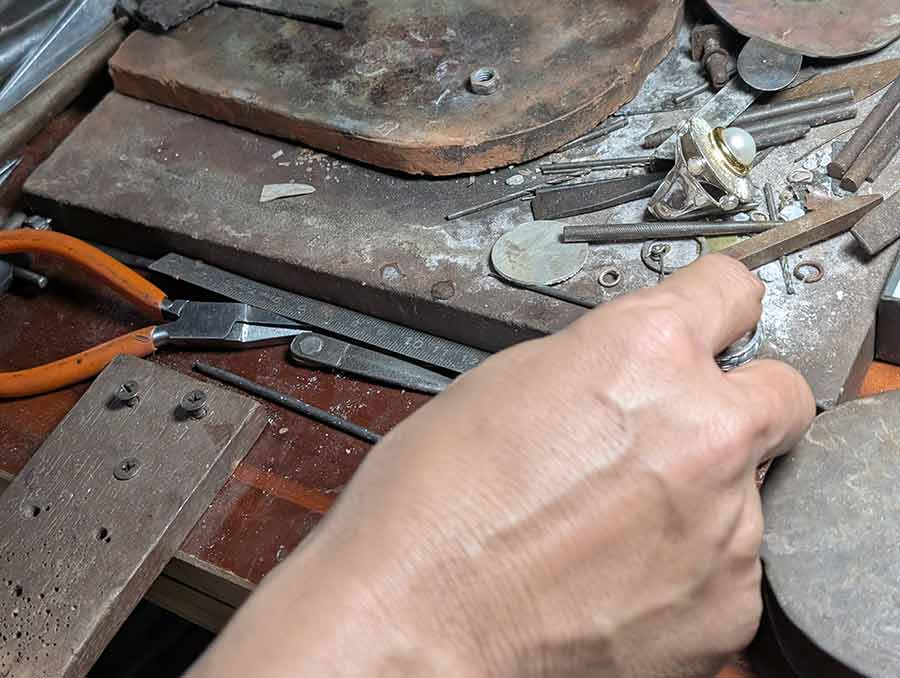
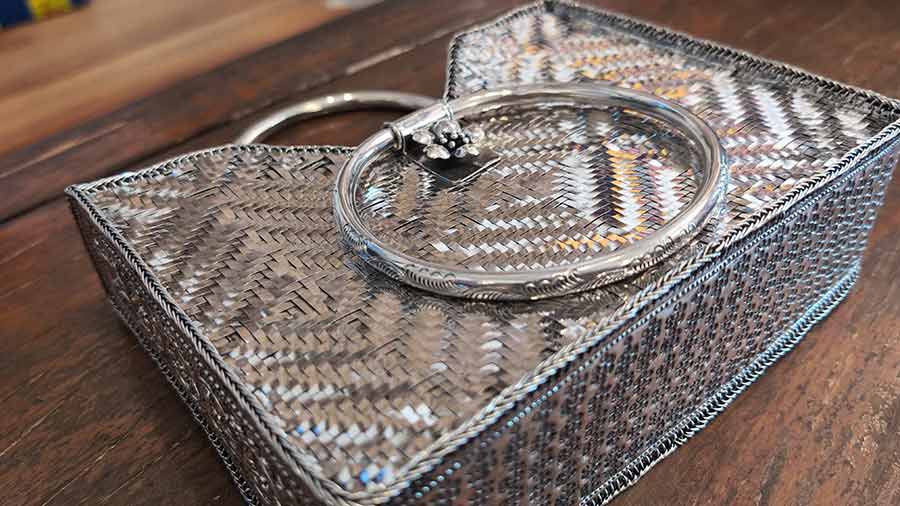
Stumbling upon a small jewellery shop tucked into a narrow lane. No signage. No sales pitch. Just a craftsman polishing metal, happy to talk about his work. I didn’t buy a souvenir that day—I found a story.
These moments can’t be scheduled. They require time, presence, and the willingness to linger. When you rush, you walk past them. When you slow down, they find you.
Food Is the Most Honest Cultural Exchange
If there is one universal truth in travel, it’s this: food tells you everything.
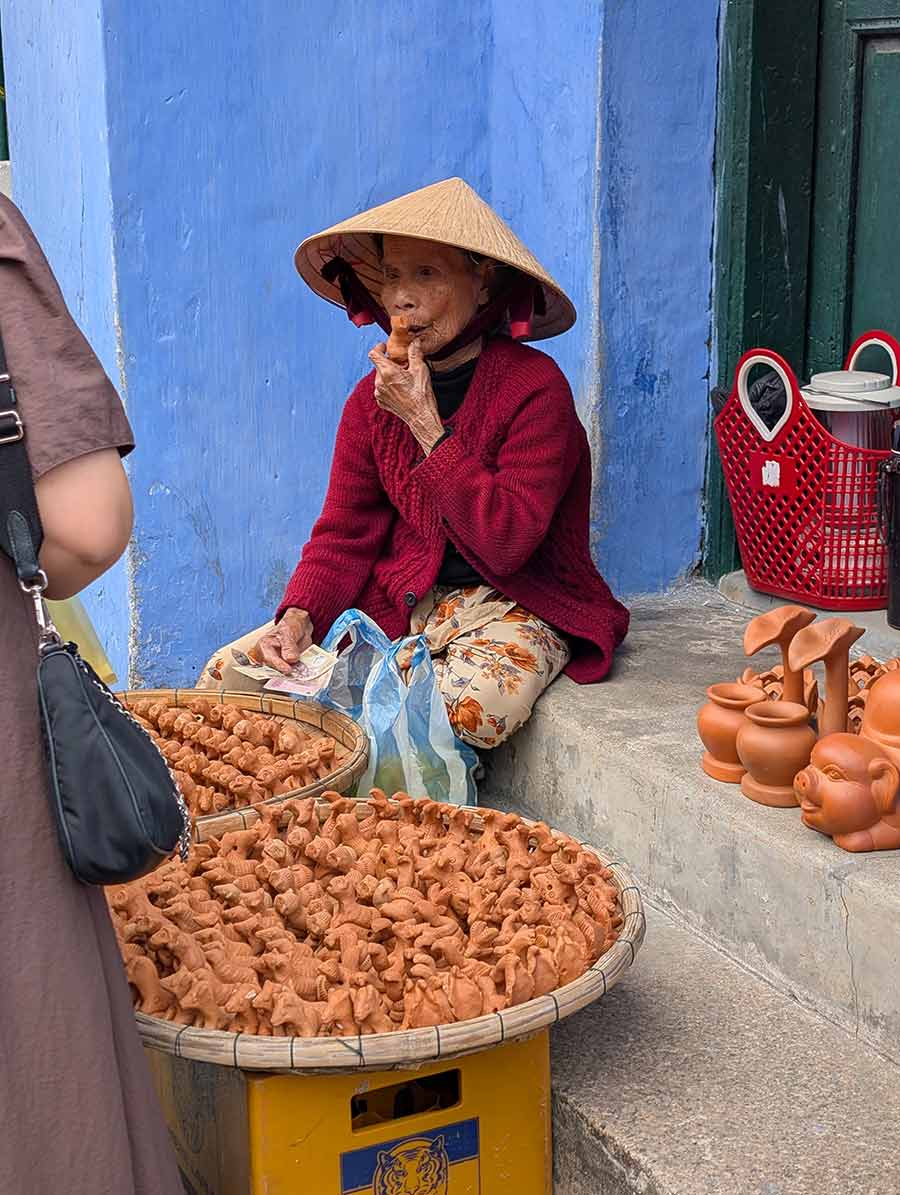
Not the glossy restaurant menus designed for tourists, but the everyday meals—street stalls, family kitchens, markets where locals shop. Food reveals history, climate, migration, and values in a way no museum ever could.
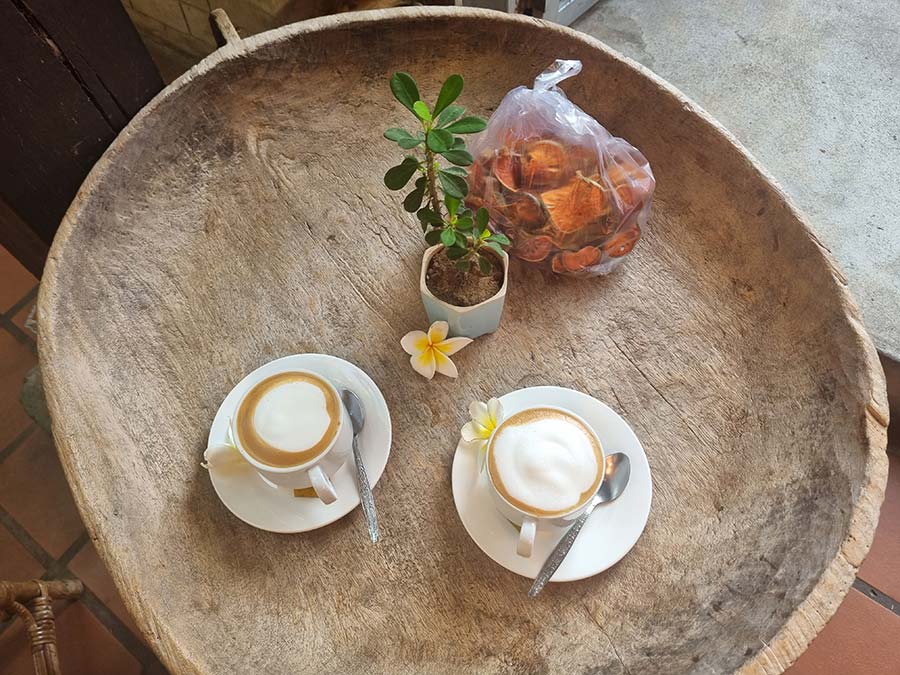
Slow travel allows you to eat with intention. To return to the same coffee café twice. To recognise faces. To order something unfamiliar simply because it smells good.
These are the meals you remember—not because they were expensive, but because they were real.
Bespoke Over Branded
I don’t collect magnets or mass-produced souvenirs. My keepsakes are personal.
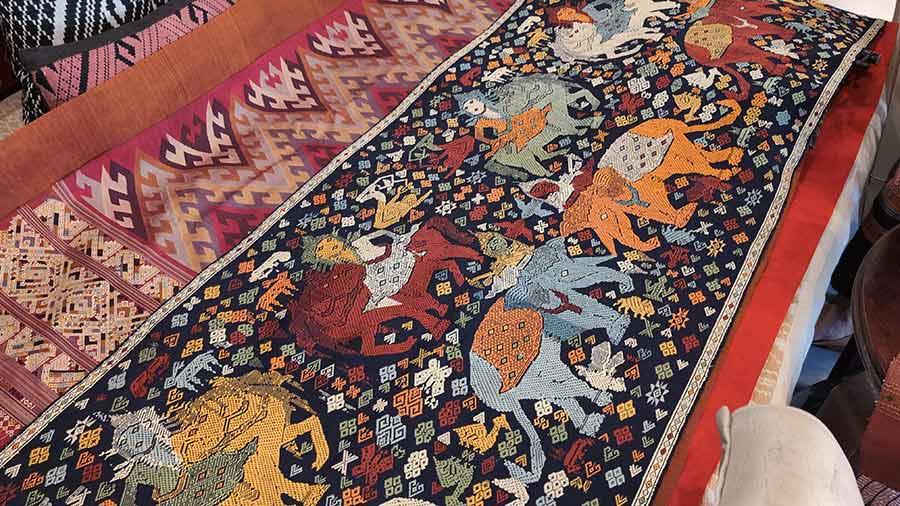
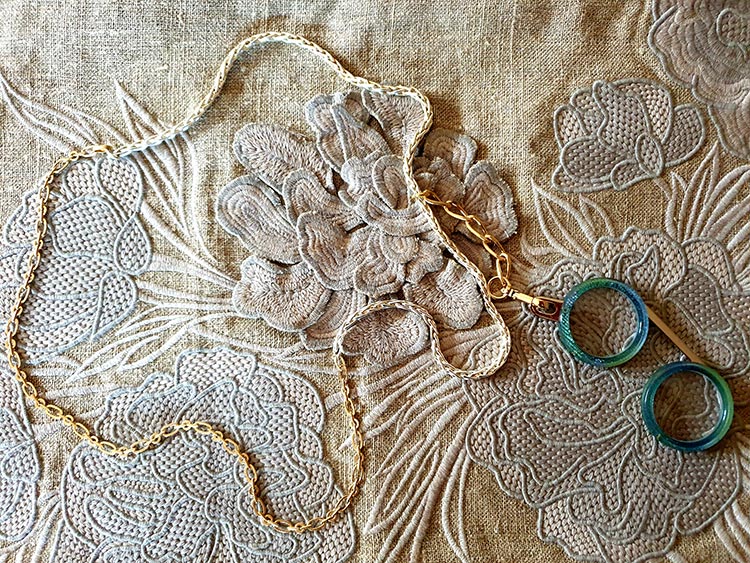
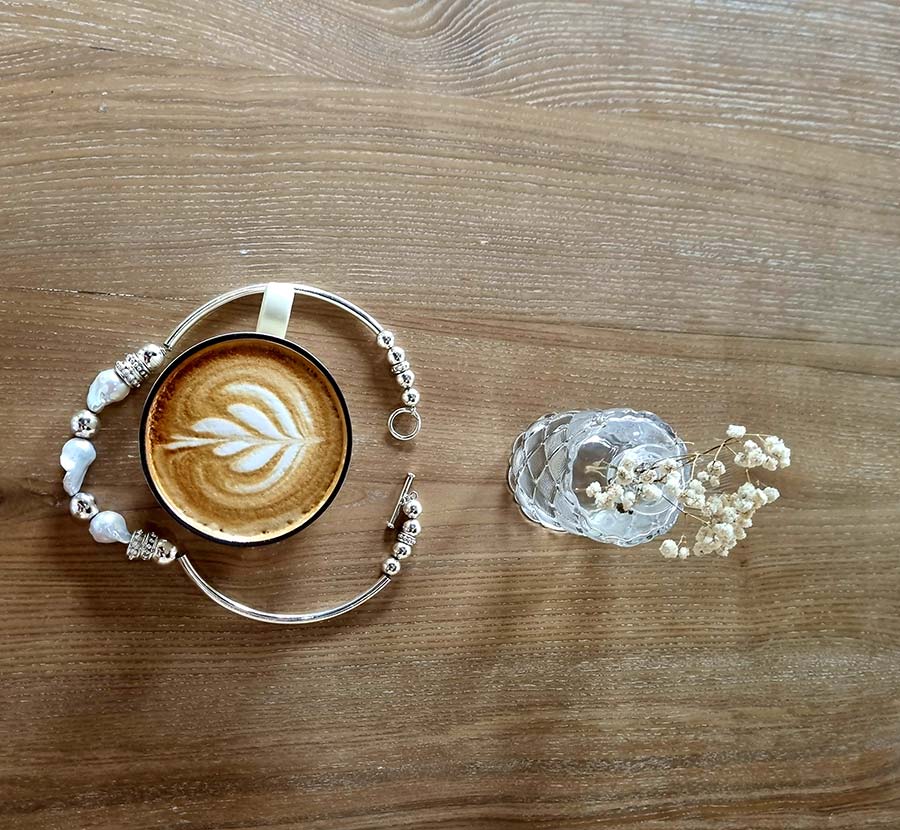
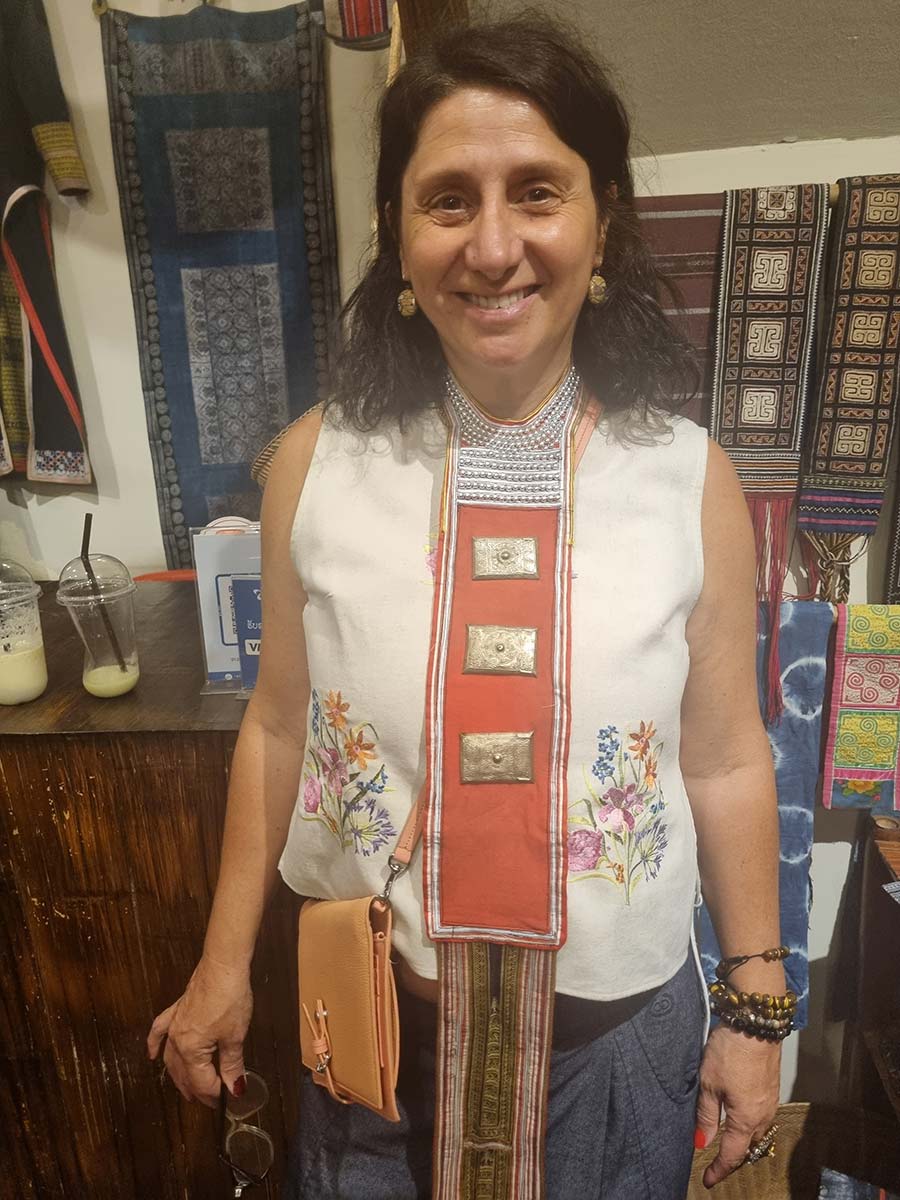
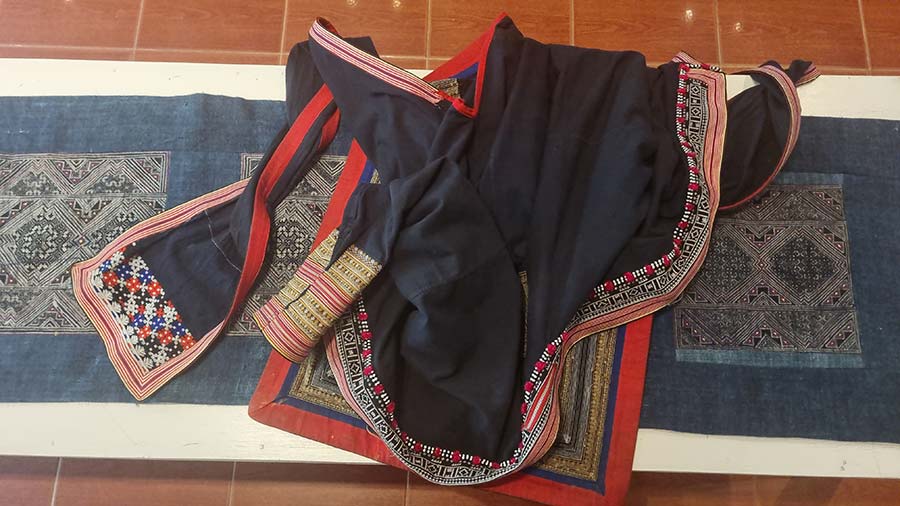
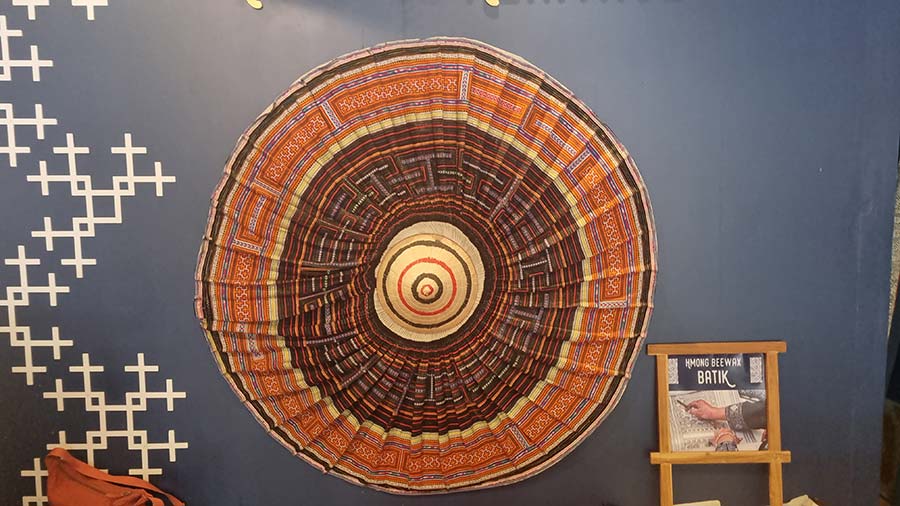
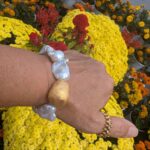
Clothing and bespoke items have become my travel souvenirs—pieces that carry the memory of a place every time I wear them. A linen shirt made by a local tailor. A hand-woven scarf from a mountain village. Jewellery crafted by someone whose hands you shook.
These items age with you. They don’t sit on shelves gathering dust; they become part of your daily life, infused with travel memories.
Slow tourism encourages this kind of mindful consumption—choosing quality, craftsmanship, and connection over logos and impulse buys.
Train Your Eye for Detail
Travel, for me, has always been about observation.
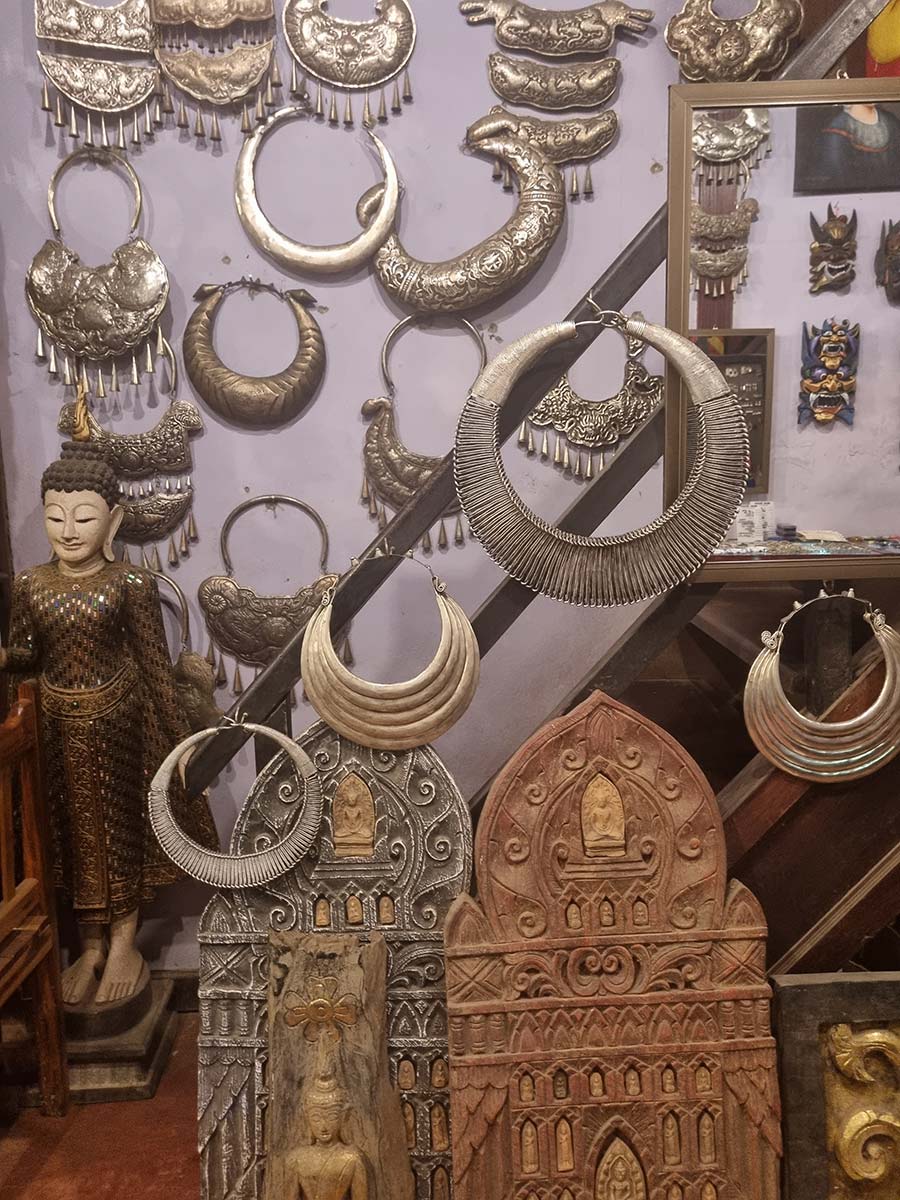
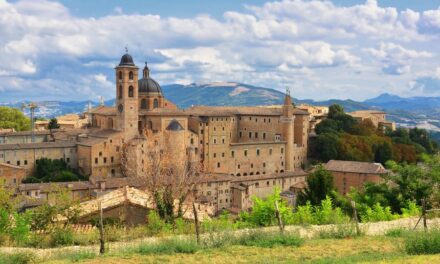
After decades on the road, what excites me most is not grandeur but detail: the way light falls through a café window, the texture of worn stone steps, the quiet elegance of a gold frame in Tuscany hanging slightly askew in a family-run gallery.
This kind of noticing requires stillness. It requires patience. And it transforms travel from sightseeing into seeing.
A sharp focus, unwavering curiosity, and a keen eye for detail are far more valuable than any itinerary.
Stay Longer, Learn More
One of the simplest ways to travel better is to stay longer in fewer places.
When you give yourself time, you begin to understand rhythms—when streets wake up, when markets slow down, when locals gather. You stop being an observer and start becoming a temporary participant.
Slow tourism is not about luxury or budget; it’s about depth. Even a modest destination can feel rich when you allow it to unfold naturally.
Travel as a State of Mind
Slow travel isn’t just a trend—it’s a mindset. A conscious decision to value experience over efficiency, connection over conquest.
It’s about trusting that you don’t need to see everything to feel fulfilled. In fact, the more you leave unseen, the more reasons you have to return.
After thirty years of travel, joy now comes from the small things: a quiet walk, a meaningful conversation, a beautifully made object, a meal shared without distraction.
That, to me, is the true luxury of travel.
Final Thought
Slow down. Wander. Get lost on purpose.
Cast your net wider than the obvious, roam beyond the well-trodden path, and allow room for the unexpected. Travel isn’t about ticking boxes—it’s about collecting moments that stay with you long after the journey ends.
And sometimes, the best destinations are the ones you never planned to visit at all.






You must be logged in to post a comment.