
Luxury used to whisper. Now it shouts — and Bangkok is where the lie becomes impossible to ignore.
I’ve walked into Louis Vuitton, Dior, Gucci, Prada, Fendi stores from Italy to Bangkok, and I’ve walked out angry, bored, and quietly insulted. Not because I can’t afford it — but because I can’t justify it anymore. The illusion has cracked, and once you see it, you can’t unsee it.
Luxury didn’t collapse because of fakes.
It collapsed because it overproduced itself into irrelevance.
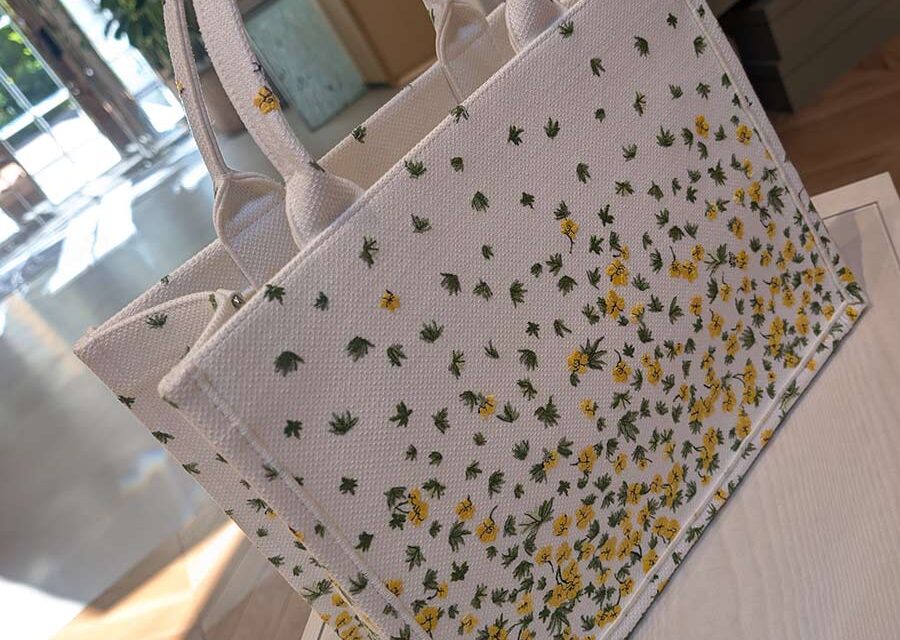
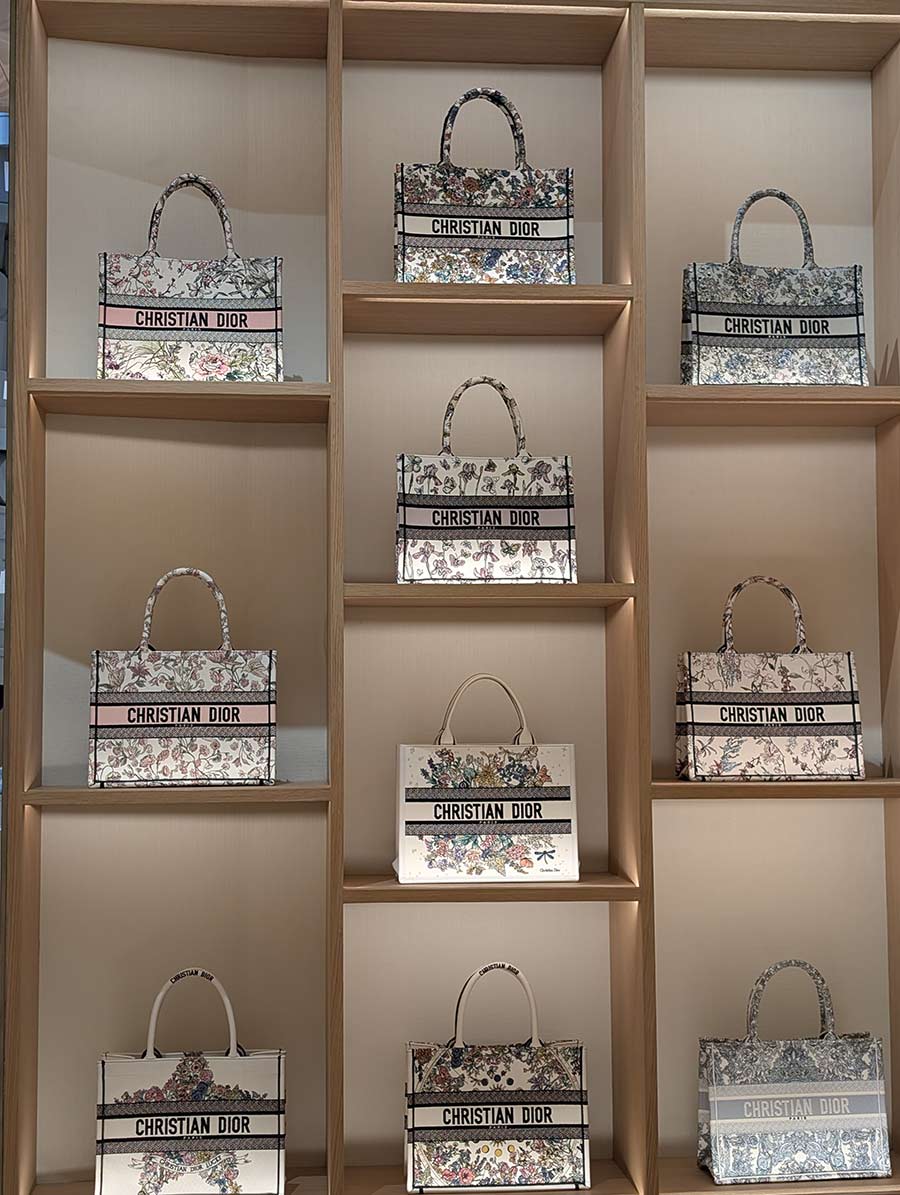
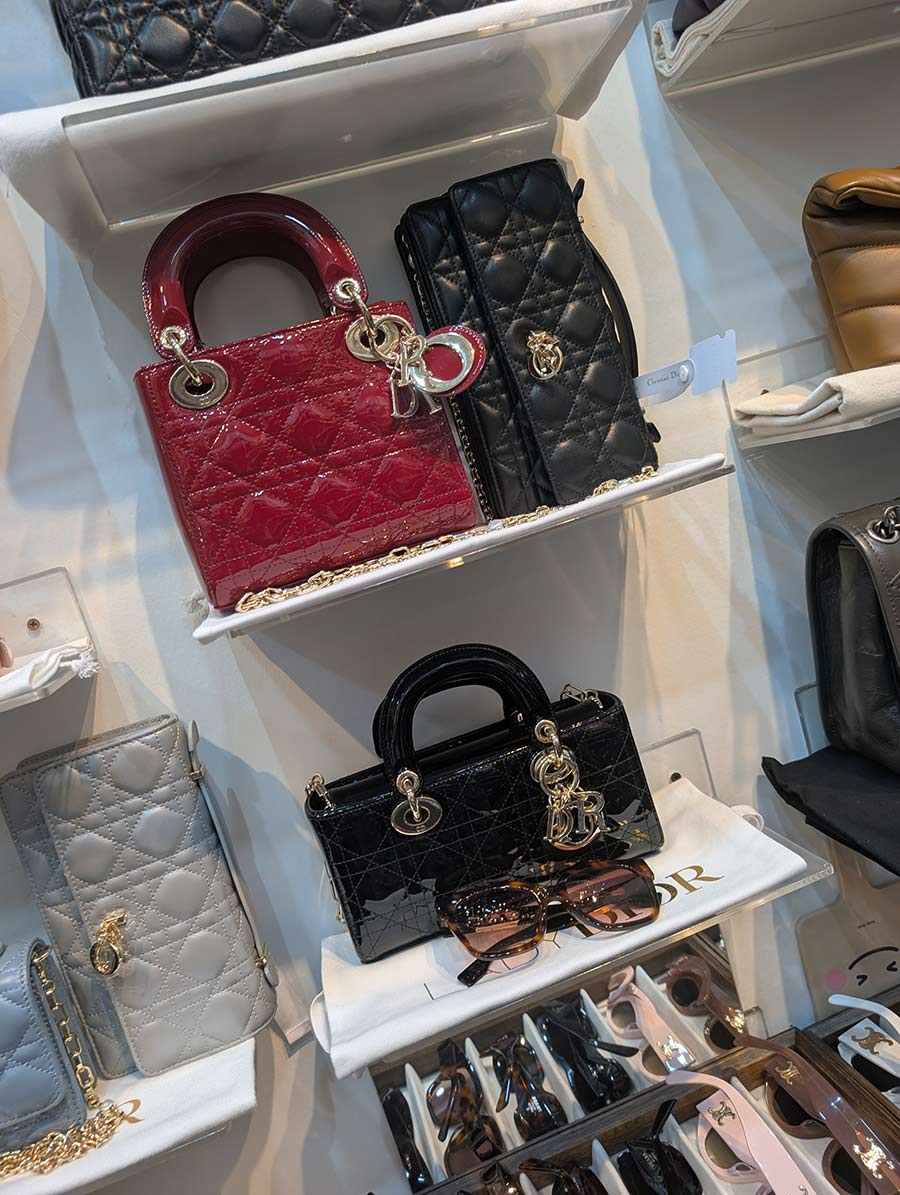
Real Dior!
The Oversupply Problem No One Wants to Admit
Luxury brands used to be scarce by design. Not just expensive — rare. Today, they are everywhere. Airports. Malls. Outlets. Pop-up cafés. Instagram activations. Gold-plated flagships designed more for selfies than substance.
When you overdeliver on availability, you underdeliver on meaning.
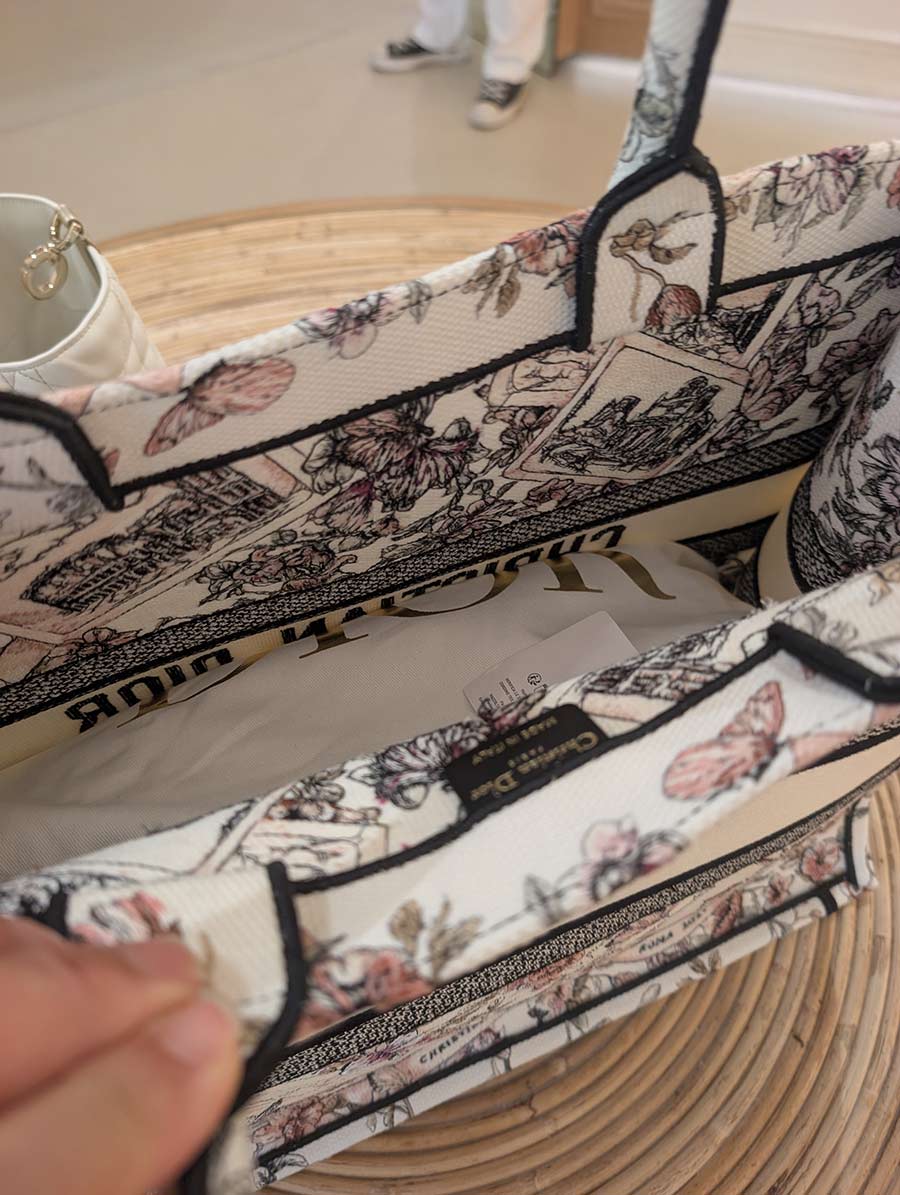
Bangkok makes this painfully obvious. Walk into a Dior “gold” store — immaculate, glowing, controlled. Touch the denim. Touch the canvas tote embroidery. Then walk into Fashion Platinum Mall, or Chatuchak, and touch the so-called “dupe.”
Here’s the uncomfortable truth: the difference is no longer tactile.
The linen feels the same.
The embroidery feels the same.
The hardware weight feels the same.
And once your fingers can’t tell the difference, the spell is broken.
When Fakes Stop Feeling Fake
I didn’t go looking for “fake rich.” I went looking for answers.
Chatuchak Market in Bangkok isn’t a shady back alley anymore — it’s a booming retail ecosystem. Stores packed. Clients confident. No shame. No secrecy. People aren’t trying to fool anyone — they’re making a rational consumer decision.
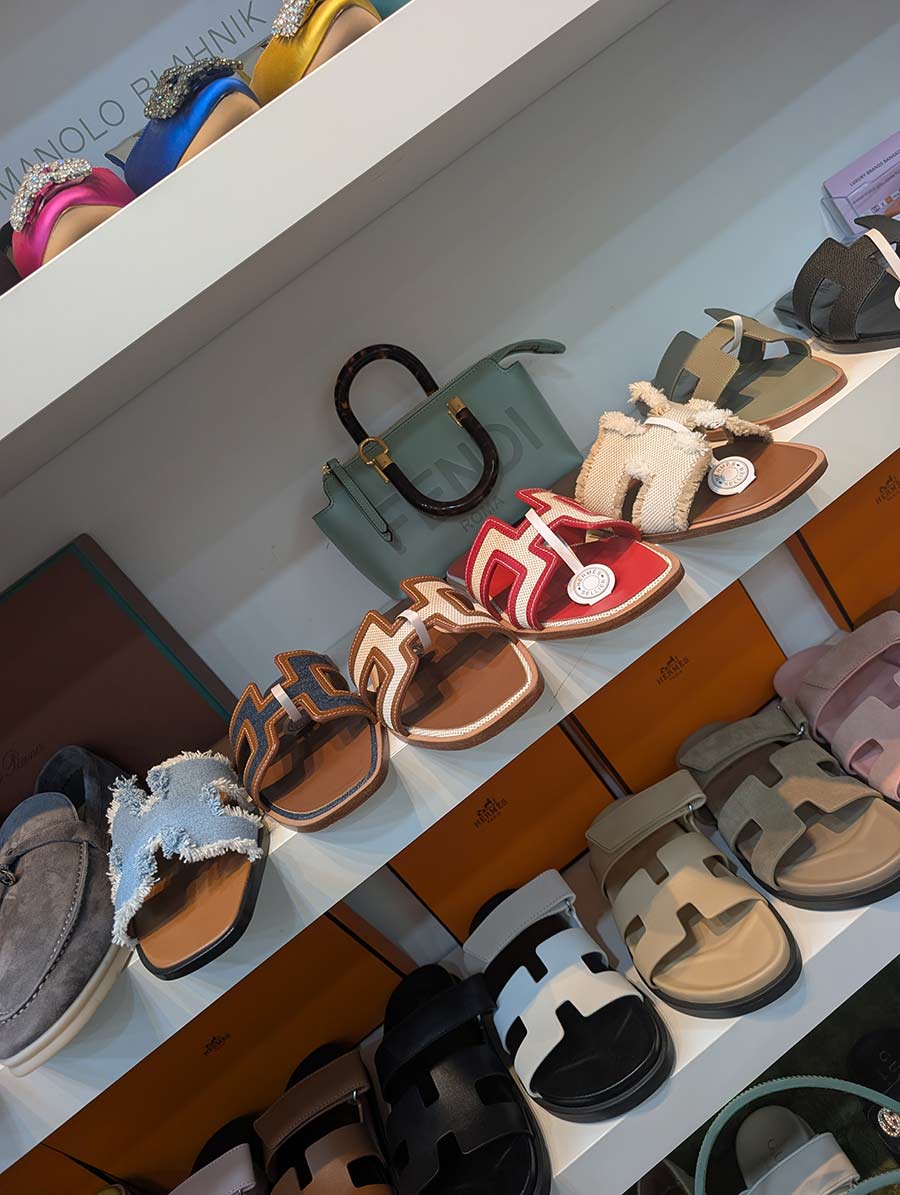
The Fendi knock-offs were extraordinary.
Gucci loafers? Identical in structure and feel.
Prada shoes? Same leather hand.
Hermès-style sandals? Same cow leather — because yes, it’s all cow leather, and much of it comes from the same Chinese supply chains luxury quietly relies on.
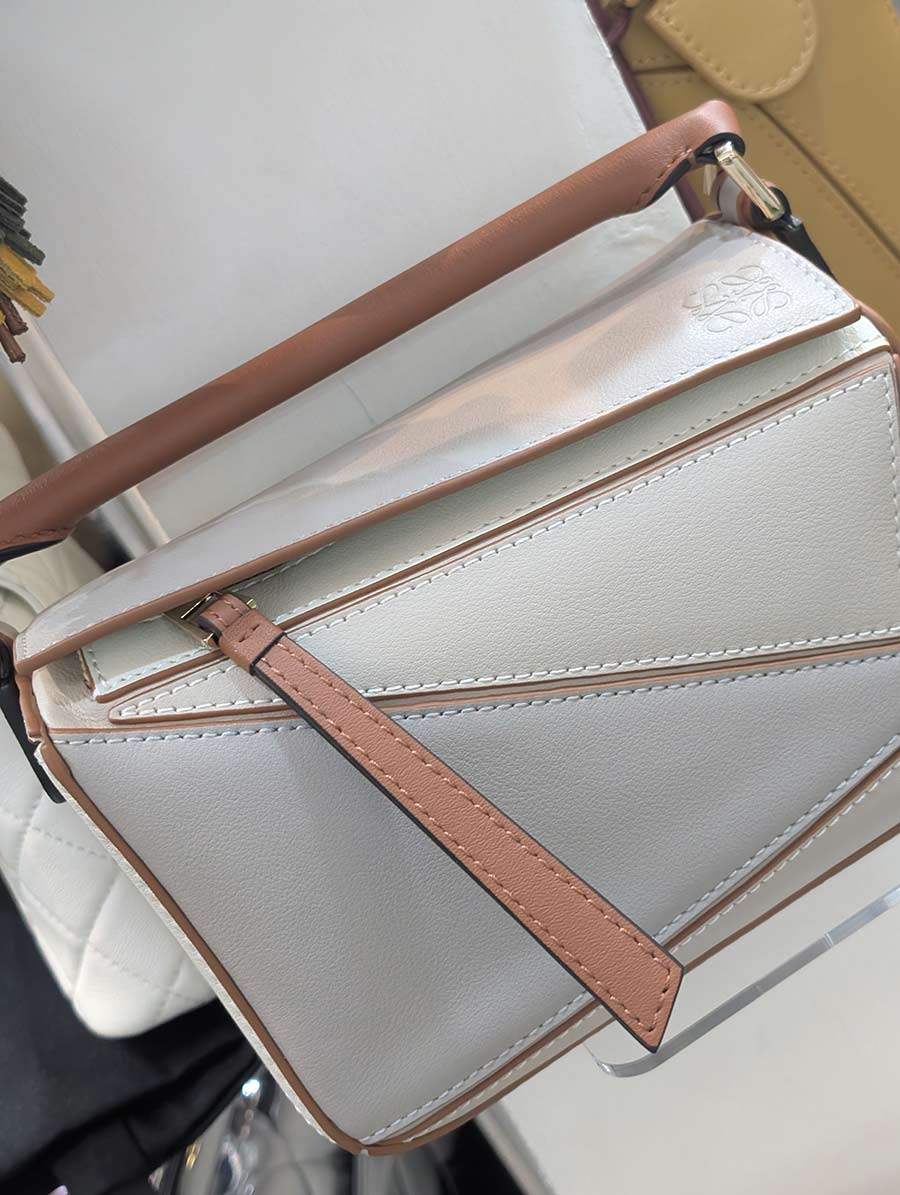
Loewe dupes shocked me the most. The finishing. The stitching discipline. The edge paint. The handles. These weren’t sloppy imitations — they were competent products.
That’s the danger zone for luxury brands.
Because once the fake is good enough, the real has to be meaningfully better. And right now, it isn’t.
“Made in Italy” Is No Longer a Guarantee — It’s a Story
I shop Italy. I shop Vietnam. I shop vintage. I know fabric. I know construction. I know when something is engineered versus styled.
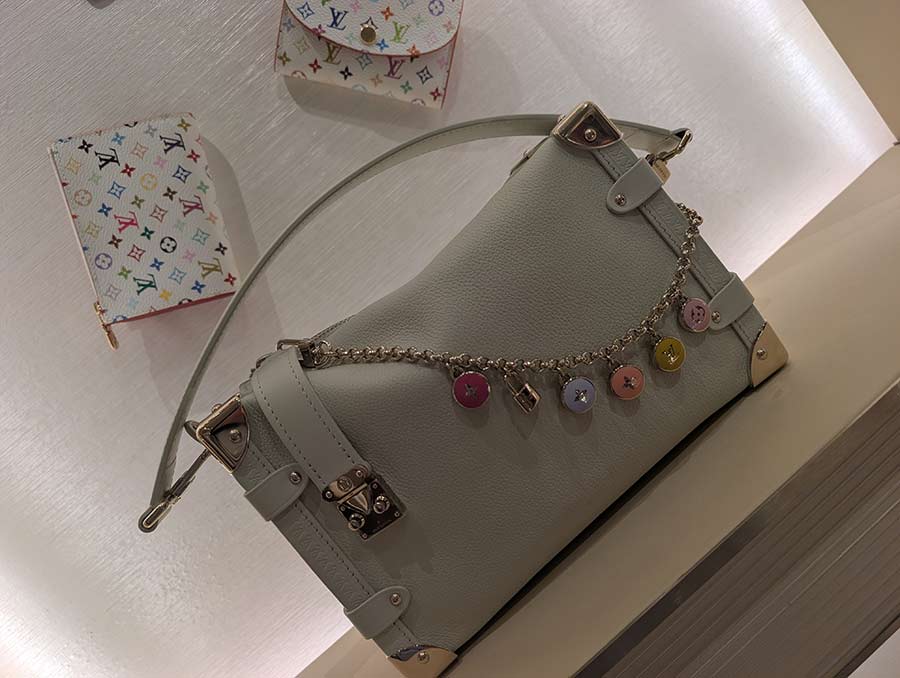
Outlets in Italy already blurred the line. Prada outlet versus Prada boutique? Same materials, diluted exclusivity. Then Bangkok finishes the job: when the same hardware tone, the same zipper resistance, the same canvas density shows up in a market stall, the myth collapses.
Luxury leaned too hard into scale while pretending it was still artisanal.
Consumers noticed.
The Dior Tote Problem
The Dior canvas tote is the perfect symbol of this collapse.
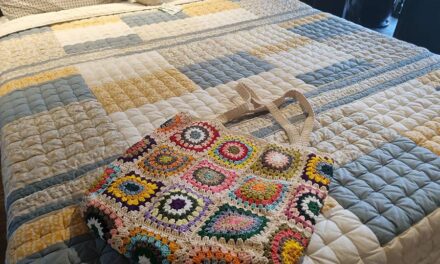
Once an “it” bag, now a visual cliché. You see it everywhere — real, fake, dupe, borrowed, rented, resold. When the embroidery in a Bangkok mall feels identical to the one in a Dior flagship, what exactly are you paying for?
Not craftsmanship.
Not rarity.
Not innovation.
You’re paying for permission to belong — and even that feels redundant when everyone already has access.
The Pop-Up Café Era: When Luxury Became Entertainment
Dior cafés. LV cafés. Gucci cafés.
Luxury brands now sell coffee, not culture.
These pop-ups are distraction tactics — experiences designed to mask product fatigue. When the bags don’t evolve, the brand pivots to latte art and photo ops.
But consumers aren’t stupid. We feel the stagnation.
Nothing has changed — except the price.
The Emotional Shift: From Desire to Resentment
Here’s the part luxury executives underestimate: emotion matters more than margin.
I didn’t just lose interest — I felt scammed.
When gold hardware looks the same whether it’s Dior or a Bangkok dupe, when denim feels identical to Zara or Gentlewoman, when pricing climbs while innovation flatlines, resentment replaces aspiration.
Luxury used to feel earned. Now it feels extracted.
The Rise of “Quiet Opt-Out”
Something else is happening — quietly.
People with taste are opting out.
Not into fakes — but into smaller, non-mass-produced brands. Artisanal ateliers. Regional makers. Vintage. Limited-run designers who don’t flood the market or beg for relevance.
Luxury didn’t lose customers to fakes.
It lost them to discernment.
Fake Rich vs Real Value
The Chatuchak boom isn’t about pretending to be wealthy. It’s about rejecting bad value.
Consumers are no longer impressed by logos alone. They’re asking uncomfortable questions:
- Why does this cost 10x more?
- Where is the actual difference?
- Who benefits from my loyalty?
When luxury brands can’t answer those questions convincingly, the market answers for them.
When Everyone Wins Except the Brand
Ironically, everyone is winning — except the luxury houses.
- Consumers get comparable quality for less.
- Manufacturers refine their skills.
- Independent brands gain attention.
- Vintage gains credibility.
The only thing losing is the illusion of superiority.
Luxury’s Core Mistake
Luxury confused visibility with value.
By oversupplying the market, over-licensing desirability, and outsourcing soul while charging heritage prices, it taught consumers how replaceable it truly is.
When you overdeliver quantity, you underdeliver meaning.
Where I’m Going Instead
I won’t chase logos anymore.
I’ll choose:
- Brands that don’t flood the market
- Designers who don’t need pop-up cafés
- Materials that justify their price
- Objects that feel intentional, not algorithmic
Luxury isn’t dead — but mass luxury is.
And Bangkok, in all its brutal retail honesty, exposes that truth better than Paris ever could.










You must be logged in to post a comment.