
There’s a quiet revolution happening in jewellery boxes everywhere.
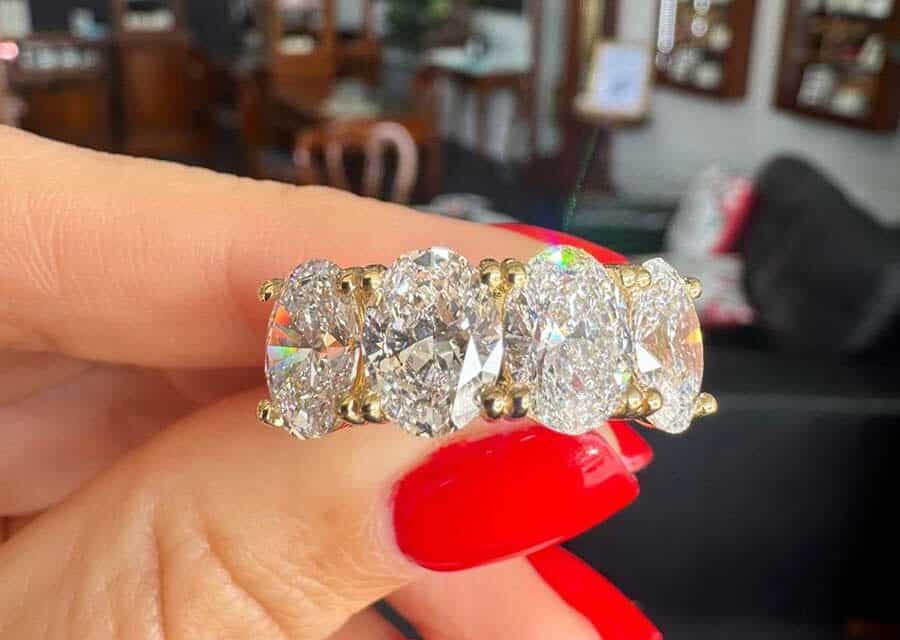
Women who once waited for a proposal, a milestone birthday, or a “special occasion” are now gifting themselves their own dream diamond ring — 18ct gold, 6 carats if they feel like it — no permission slip required.
Yes, we can spend on Botox, lip fillers at Procosmetic clinic “tweakments”, but more and more women are choosing something different with their disposable income: long-term wellness in the form of a natural diamond ring. Not for status. Not for a man. For themselves.
This is about survival, success and self-respect — especially after the emotional rollercoaster of our 30s, whether single, divorced, or in a relationship that finally feels healthy.
Let’s talk about why women are doing this, and then go into how to choose your carat and design for a bespoke, tailored ring that feels like you.
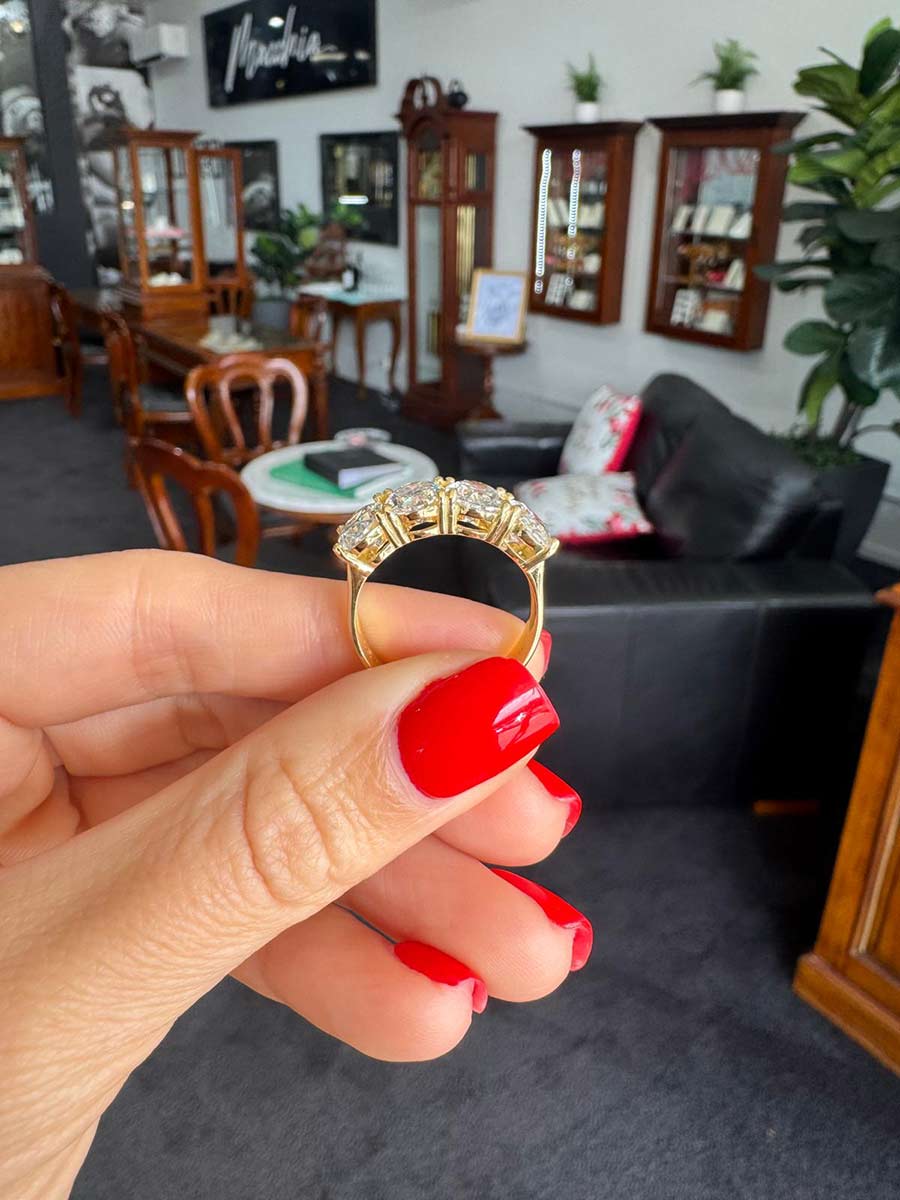
Why a Diamond Ring Is the New Wellness Purchase
We’ve normalised spending hundreds (or thousands) on treatments that fade in months. A diamond ring is different:
- Botox wears off. A diamond doesn’t.
That ring will be with you when the injectables have vanished and the trends have changed. Every time it catches the light, it reminds you: I did that for me. - It’s emotional wellness you can touch.
Women in their 30s and 40s have been through things — breakups, career burnout, fertility scares, moving countries, losing parents, starting over. A self-funded diamond ring becomes a tangible “medal” for surviving all of it. - It has intrinsic and emotional value.
A natural diamond in 18ct gold isn’t just pretty. It holds its value, can be insured, passed on, re-set. But its biggest worth is psychological: it says, I am worth investing in. - It breaks the story that “he has to buy it.”
Previous generations waited for a fiancé, anniversary or apology to get a serious ring. This generation of women is rewriting that:“I don’t need an occasion. I am the occasion.”
Why Your 30s Are the Perfect Time
Your 30s are often the decade of chaos and clarity mixed together.
- You’ve probably made a few bad choices — in partners, jobs, or cities.
- You’ve also learned your boundaries, your tastes, and your non-negotiables.
- You understand money better: you know what’s “worth it” and what’s not.
Buying yourself a serious diamond ring at this stage isn’t “spoiling yourself”. It’s honouring who you’ve become.
Whether you’re:
- Single and thriving,
- In a long-term relationship and tired of waiting for someone else to validate you, or
- Married but finally claiming something just for you…
…a self-funded 18ct gold ring with a serious carat stone becomes a declaration:
“I’m not waiting to be chosen. I choose myself.”

18ct Gold & 6 Carats – Is That “Too Much”?
Short answer: no. The only time it’s “too much” is when you’re buying it for other people’s approval.
Why 18ct Gold?
18ct (18 karat) gold is a sweet spot for a luxury self-purchase:
- Richer colour than 14ct – especially in yellow gold.
- Higher purity (75% gold), but still durable enough for daily wear.
- Feels luxurious on the hand – there’s a noticeable difference in weight and hue.
You can choose:
- Yellow gold – classic, warm, works beautifully with most skin tones.
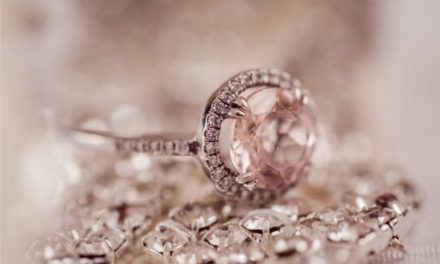
- White gold – modern, crisp, great if you love a cooler, “icy” look.
- Rose gold – soft, romantic, and very flattering on warm or olive skin.

What About 6 Carats?
“6 carats” sounds huge — and it is. But remember:
- The visual impact of a ring isn’t just about carat size. Cut, setting, finger shape, and design all matter.
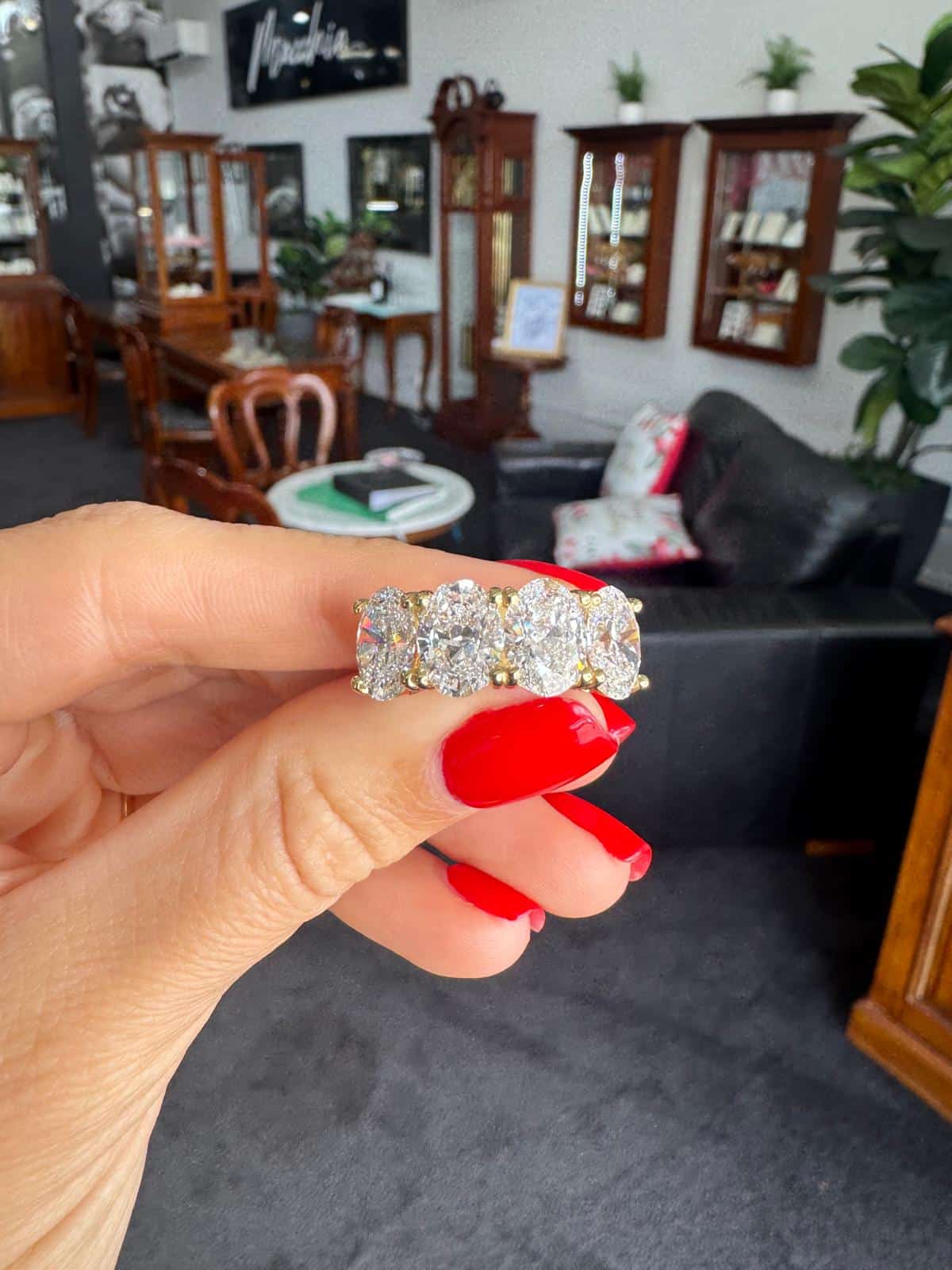
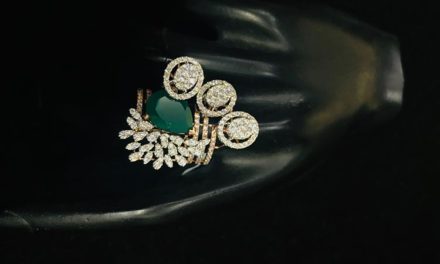
- You can choose a solitaire 6ct look or spread the carat weight across multiple stones (for example, a 3ct centre stone with 3ct worth of side stones or a halo).
- If your lifestyle is very active or hands-on, a lower-set 6ct with a protective bezel or sturdy prongs can balance drama with practicality.
If 6 carats is out of budget but you love that bold “statement” feel, consider:
- Slightly smaller stones with a chunky 18ct gold setting for presence.
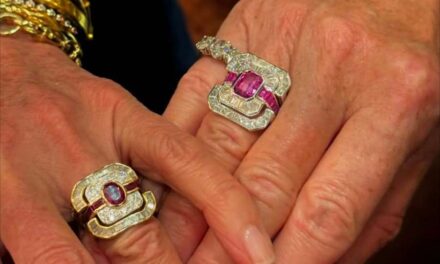
- A cluster or multi-stone design that feels big and rich on the hand.
The question isn’t “Is it too much?” The real question is:
“Will I smile every time I see it?”
If yes, you’ve got your answer.
How to Choose Your Carat: Practical & Emotional Tips
1. Start With Your Budget, Not the Stone
This is self-care, not self-sabotage. Decide:
- What number feels stretchy but safe?
- Can you pay in instalments without anxiety?
- Do you want to keep this entirely separate from a partner’s finances?
Once you have a clear figure, a good jeweller can help you maximise it: maybe a slightly lower carat, but a top-tier cut; or a smaller diamond with a striking design.
2. Decide What the Ring Is Celebrating
Tie the ring to a meaning, not just a purchase:
- Surviving a brutal year?
- Paying off a loan?
- Getting promoted or starting a business?
- Leaving a toxic relationship?
When the ring symbolises a specific personal win, every glance at it becomes a positive psychological anchor.
You’re not just buying a 6ct diamond. You’re buying a daily reminder: I got through that. I did that.
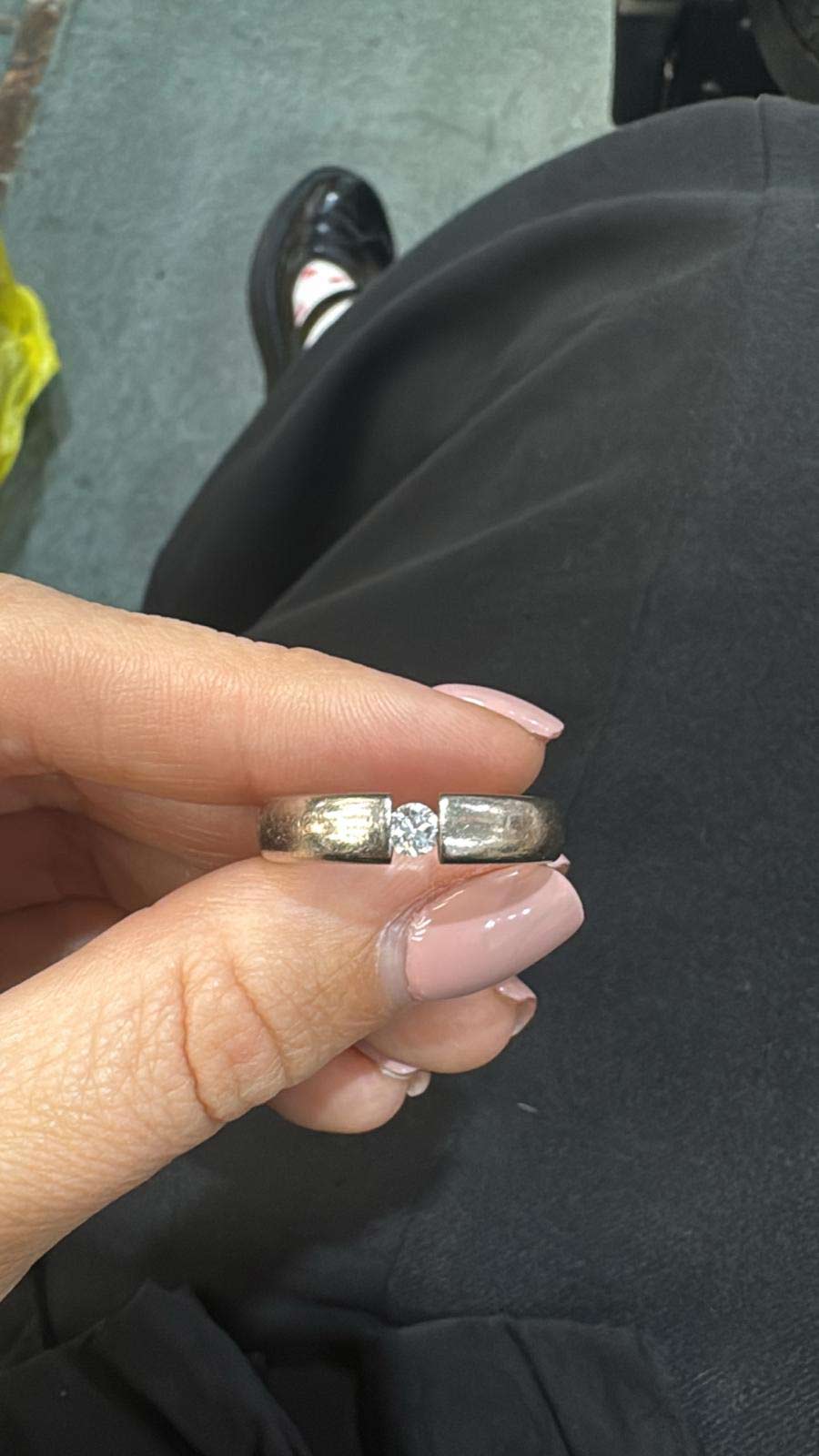
So if you have metal to melt, including a wedding ring. And seeking an upgrade.
3. Think About Your Hand, Not the Hashtag
Carat size should suit your hand, not Instagram.
- If you have small, slender fingers, a 1.5–3ct stone in a clean setting can look just as impactful as a 6ct rock on a larger hand.
- If you’ve got long or larger hands, a bigger stone or a bold, wide band can feel more proportionate and powerful.
Try on different sizes and shapes:
- Round, oval, emerald, pear, cushion – they all look different once they’re actually on your hand.
- Take photos in different light; see which shape makes you feel most “you”.

Bespoke vs Ready-Made – Why Bespoke Often Wins
A bespoke ring is the jewellery equivalent of a tailored suit: made for your life, your story, your hands.
Why Go Bespoke?
- You control every detail – carat, cut, colour, clarity, metal, setting.
- You can incorporate sentimental gold or stones (like melting old pieces into a new 18ct band).
- The design can reflect your personality – dramatic, minimalist, architectural, vintage-inspired, or completely wild.
Questions to Ask Your Jeweller
- Can you see and measure the stones before they’re set?
- Will they provide certification for the diamond (GIA, HRD, etc.)?
- How thick and solid is the 18ct gold band? (You want substance, not a flimsy ring.)
- Can they show you wax or 3D models of the design before casting?
Don’t be shy. You’re not “being difficult”. You are the client funding a serious piece of jewellery.
Choosing the Right Diamond for You
Even if you’re going for a big look, learn the basics of the 4Cs and decide what matters most:
- Carat – size and presence.
- Cut – the sparkle factor (arguably the most important).
- Colour – whiter vs warmer tones.
- Clarity – how “clean” the stone looks.
For a self-gift ring, many women prioritise:
- Cut and carat first (they want size and sparkle),
- Then choose a slightly warmer colour (like G–H) and eye-clean clarity (VS or SI) to maximise size within budget.
Remember: an “imperfect” stone that makes your heart race is better than a “perfect” one that feels clinical.
Make the Ring Part of Your Daily Life
This isn’t a ring for the safe, velvet-lined box. It’s a ring for your real life:
- Wear it to the supermarket, the office, the beach bar, the school run.
- Pair it with jeans, trainers, messy hair, and zero makeup.
- Let it become part of your identity, not something you only allow out on “special” days.
Because the truth is: the special day is the one where you woke up, kept going, and chose not to give up on yourself.
Final Thought: You Are the Occasion
An 18ct gold, 6ct diamond ring bought with your own money is not “selfish”. It’s a love letter to yourself that says:
- I survived my 20s and 30s.
- I’m not waiting for permission to shine.
- I deserve something beautiful and lasting.
So if you’re wondering whether you “should” do it, here’s your answer:
If you can afford it, and it feels like a celebration of your life rather than a performance for others — buy the ring.
Not for Instagram. Not for him.
For you.










You must be logged in to post a comment.