
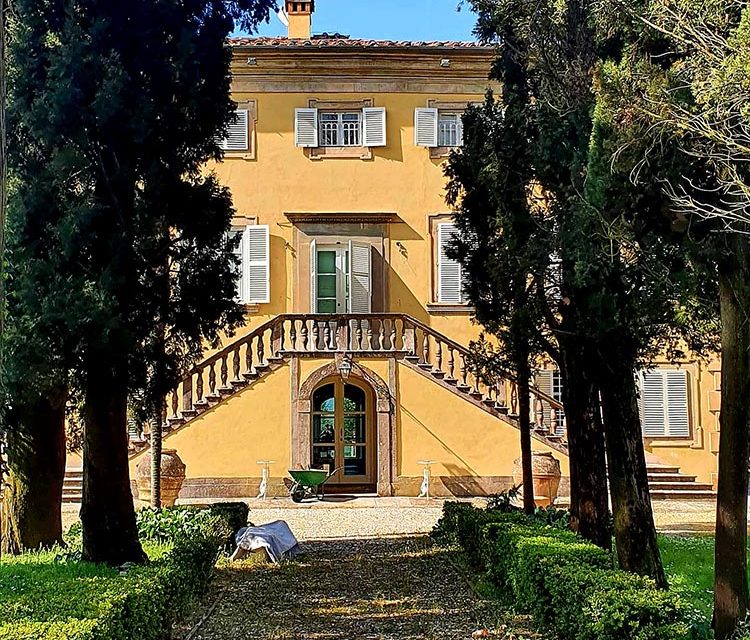
When people think of luxury, they picture marble bathrooms, crisp sheets, and a view that makes you stop mid-sentence.
They don’t picture the other side of “having nice things”: the moment you realise strangers have been inside your home, moving through your private life with zero emotion.
In three decades, I’ve been robbed twice. I’ve also lost everything in a house fire.
And now, my home in Italy has been trashed — jewellery taken, YSL pieces gone, sentimental gold missing. The price tags sting, yes. But it isn’t really about money.
It’s the violation.
The coldness of it. The way men can go through a home — your drawers, your memories, your private corners — and leave destruction behind like it’s nothing. No guilt. No hesitation. Just noise and mess, and a silence afterward that doesn’t feel peaceful. It feels emptied.
The strange truth: I care… but not for what you’d expect
I don’t mourn the “things.” Not in the way people assume.
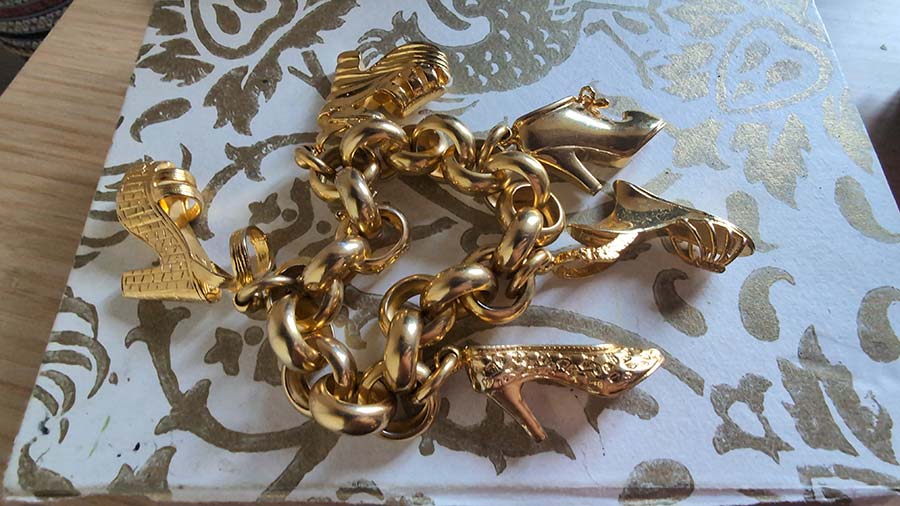
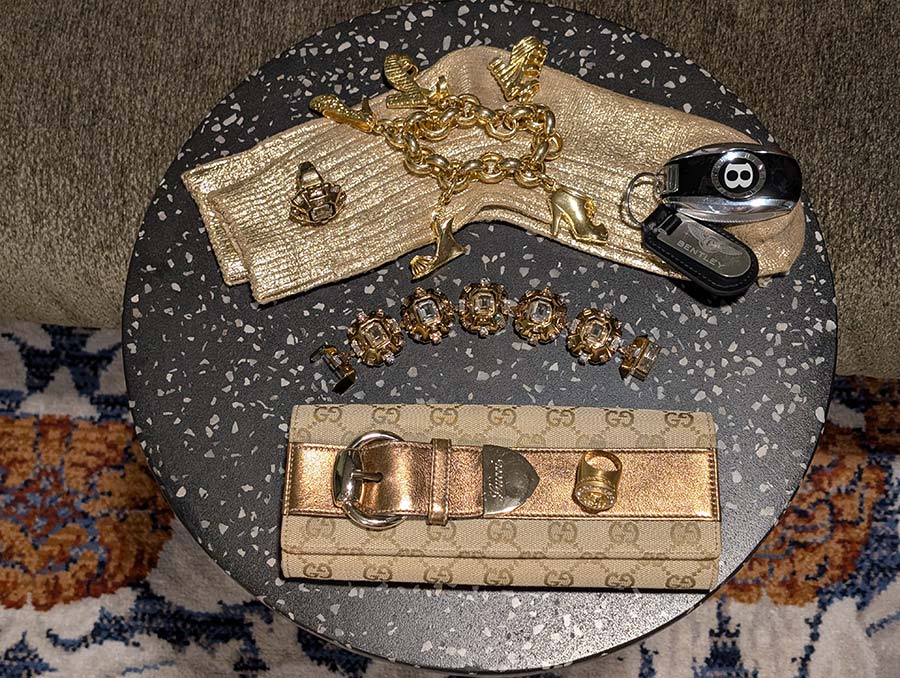
I care for the gold accessories that were sentimental — pieces tied to time, family, milestones. Not because they were expensive, but because they carried meaning. They were anchors.
And that’s what burglary steals first: anchors.
It steals the feeling that your home is an extension of you. Suddenly, it’s a location. A target. A space that has been “handled.”
So the question becomes: why rebuild?
Why rebuild where you failed, regarding security?
Here’s what I’ve learned the hard way:
You don’t rebuild because you’re naïve.
You rebuild because you refuse to live as if fear is the owner of your life.
But rebuilding does require strategy. Especially in Italy, where many holiday homes sit quietly for long stretches and become predictable.
This isn’t paranoia. It’s pattern recognition.
The new definition of luxury: safety, privacy, control
Quiet luxury isn’t a logo. It isn’t a label.
Quiet luxury is walking into your home and feeling your shoulders drop.
It’s knowing:
- your home isn’t advertising itself
- your habits aren’t public
- your absence isn’t obvious
- your valuables aren’t easy to grab
- and if something happens, you can respond fast and properly
That’s the real upgrade.
What makes Italian holiday homes vulnerable
Holiday homes (especially rural, scenic, or “romantic”) share three weaknesses burglars love:
- Predictable absence
If the house is dark for weeks and nobody appears, it becomes an easy calculation. - Local visibility
It doesn’t take a mastermind to notice who comes and goes. A holiday home is often discussed casually: “They’re not here until spring.” - Over-trusting the “safe bubble”
The countryside can feel protected. It’s beautiful. It’s neighbourly. But crime doesn’t need a big city. It needs opportunity.
The emotional recovery: what no one tells you
After a break-in, people say: “At least you’re safe.”
And yes — thank God.
But the nervous system doesn’t reset just because you’re physically okay. You can be safe and still feel unsettled. You can be grateful and still angry. You can be strong and still exhausted.
So if you’re in that strange “calm shock,” it makes sense.
A practical step that helped me: restore one room first.
Not the whole house. One room. One corner. One “this is mine again” space.
Because recovery is psychological as much as logistical.
How to keep your Italian holiday home “quiet”
Not secret in a dramatic way — just not easy to read.
1) Stop broadcasting your absence
- Don’t post travel dates in real time. Post later.
- Avoid “we’ve left Italy again” captions.
- Don’t tag your exact location while you’re away.
- Watch background details in photos (gates, house names, distinctive views).
Luxury is discretion. Online discretion is security.
2) Control who knows your schedule
This one is uncomfortable, but important:
Most holiday-home break-ins aren’t solved by thinking about “criminals.”
They’re prevented by managing information leakage.
- Keep arrival/departure dates on a need-to-know basis.
- If workers ask “Are you going away?” answer vaguely:
“We’re around on and off.” - Don’t share keys widely. Don’t let “helpful” become “open access.”
3) Create the illusion of a lived-in home
This is one of the best deterrents because it removes predictability:
- timed lights (and not just one lamp)
- occasional car movement if possible (trusted neighbour/manager)
- regular garden/driveway maintenance
- bins moved as if weekly life is happening
A home that looks managed is less attractive than a home that looks abandoned.
The practical security upgrades that actually matter
You don’t need a fortress. You need layers.
Layer 1: Delay (make entry harder)
- Reinforced door locks and quality cylinders
- Secure shutters / window locks (especially ground floor)
- Consider security film for glass (slows smash-and-grab)
Layer 2: Detect (know fast)
- Proper alarm system (with remote notifications)
- Cameras placed intelligently (entry points, not just pretty angles)
- Motion lighting that triggers reliably
Layer 3: Deter (make them choose another house)
- Visible signage (alarm/camera)
- Clean sight lines (trim shrubs that offer hiding spots)
- A house that looks observed, not forgotten
Layer 4: Protect what matters
This is the part most people avoid until it’s too late.
- Keep heirloom jewellery and sentimental gold out of sight and out of “obvious” places
- Consider a proper safe that is fixed (not portable)
- Keep an inventory: photos + serial numbers + receipts where possible
- Store truly irreplaceable items off-site when you’re away long-term (safe deposit, trusted secure storage)
If it can’t be replaced emotionally, don’t leave it waiting in a quiet house.
Your “trusted person” is your best security system
The most effective upgrade for a holiday home isn’t a gadget. It’s a human.
Someone who:
- checks the house regularly (and unpredictably)
- knows what “normal” looks like
- can respond immediately if something seems off
- has the authority to call a locksmith, security company, or police
If you don’t have that person, make it your priority. The absence of a trusted local presence is what turns homes into targets.
What to do immediately after a burglary
If you’re reading this right after it happened, keep it simple:
- Report it properly (so you can claim on insurance)
- Photograph everything before cleaning up
- Change locks (don’t assume they didn’t copy keys or access points)
- Secure entry points fast
- Make a list of stolen items (even if it hurts)
- Notify your insurer and ask what evidence they need
- Restore one space in the home for your own nervous system
This is not just admin. It’s reclamation.
Why rebuild at all?
Because the goal isn’t to become fearless.
The goal is to become unavailable to fear as a lifestyle.
Yes, you can be angry.
Yes, you can feel violated.
Yes, you can question everything.
But you can still rebuild — not as denial, but as a decision:
my life is not organised around what was done to me.
The quiet luxury of feeling safe again doesn’t come from pretending it didn’t happen.
It comes from taking back control — practically, emotionally, and privately.
And if you’ve been through it more than once, if you’ve lost everything to fire and theft, you already know the truth:
You can lose possessions.
You don’t have to lose your power.













You must be logged in to post a comment.