
Bangkok has changed — quietly, but decisively.
Anyone spending time here will feel it almost immediately. Food prices are rising, transport is no longer “cheap”, and the city is shedding its old reputation as a low-cost stopover. Yet in return, Bangkok is offering something few global cities can compete with: an integrated wellness ecosystem that operates at scale, speed and sophistication.
Nowhere is this more evident than in its hotels.
After more than a decade of reviewing hotels across Europe, Asia and the Middle East, it’s clear that Bangkok is no longer copying global wellness trends — it’s setting them.
Wellness Is No Longer a Spa — It’s Infrastructure
In traditional luxury hospitality, wellness used to mean a spa menu, a gym in the basement and perhaps a yoga class at sunrise.
Bangkok has moved far beyond that.
Here, wellness is built into the architecture, airflow, lighting, sound, water, food and medical access of the hotel itself. The city’s newest and most forward-thinking properties are no longer asking guests to book wellness — they’re designing environments where recovery happens by default.
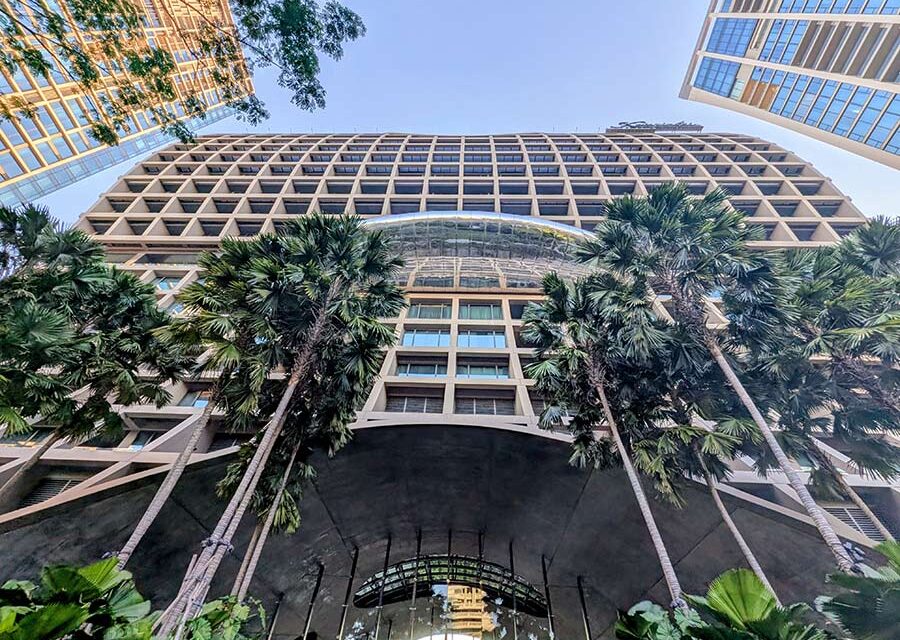
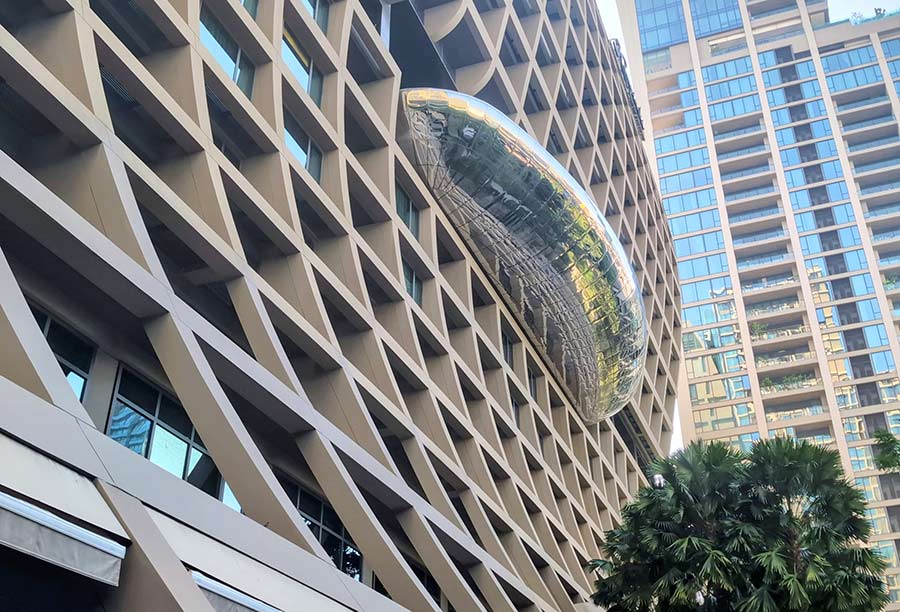
The standout example is Sindhorn Kempinski Bangkok, a hotel that doesn’t simply offer wellness treatments but was physically designed around human regulation.
Wind, Breath and the Science of Calm
One of the most striking — and rarely discussed — wellness innovations at Sindhorn Kempinski is something invisible: wind.
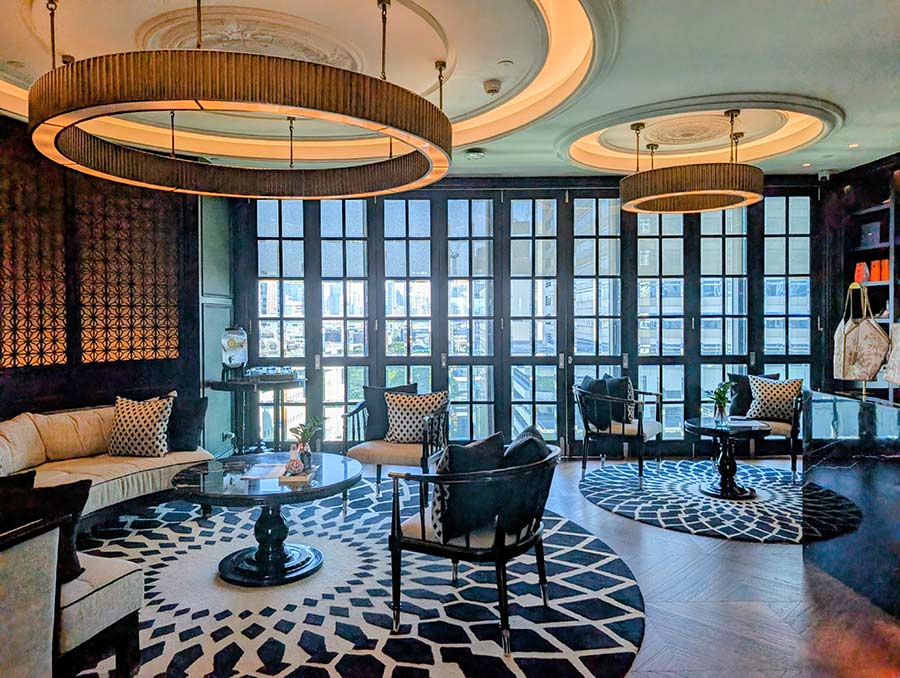
The building is engineered to allow a continuous natural airflow through the lobby. As you walk in, there is a gentle, constant movement of air — not aggressive air-conditioning, not humidity, but a controlled circulation that immediately cools the body and lowers sensory stress.
This isn’t aesthetic theatre. It’s physiology.
Breath, airflow and temperature regulation are now recognised as foundational to nervous system balance. Bangkok’s climate makes this especially relevant, and Sindhorn is one of the first hotels to openly design around it rather than fight it.
In a city of sealed glass towers, this matters.
Gardens as Medicine, Not Decoration
Bangkok is dense, vertical and short on green space. Parks exist, but they’re limited. Hotels have recognised this gap — and stepped into it.
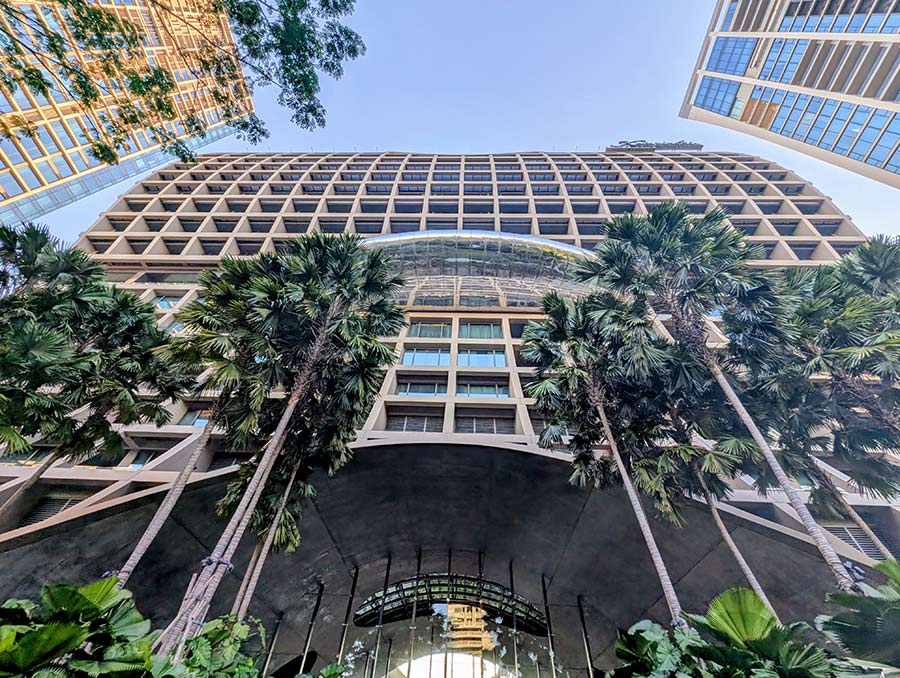
Sindhorn Kempinski’s dedicated tropical garden, reserved exclusively for guests, is not a decorative courtyard. It’s an intentional retreat: shaded walkways, mature trees, water features and seating areas designed for slow movement and quiet.
This is part of a larger trend across Bangkok’s high-end hotels: green space as therapy.
Guests are no longer just travellers. Many are:
- Recovering from cosmetic surgery
- Undergoing hair transplants
- Completing dental reconstruction
- Managing burnout or stress-related fatigue
- Staying long-term for medical or wellness programmes
These guests don’t want rooftop pools with DJs. They want silence, oxygen and shade.
The Rise of Medical-Adjacent Luxury Hotels
Perhaps the most uniquely Bangkok trend is the seamless integration between hotels and hospitals.
Some properties now feature:
- Dedicated corridors or access routes from medical facilities
- Rooms designed for post-procedure recovery
- Extended-stay layouts with residential comforts
- In-room wellness equipment and adjustable lighting
This reflects Bangkok’s position as a global hub for:
- Cosmetic surgery
- Hair transplants
- Advanced dental work
- Preventative medical screenings
- Hormone and vitamin therapy
Hotels are no longer pretending these guests don’t exist. Instead, they are actively accommodating them — discreetly and luxuriously.
Recovery has become a premium hospitality segment.

Water Therapy Goes Sensory
Across Bangkok’s wellness-focused hotels, water is no longer just for swimming.
Guests are encountering:
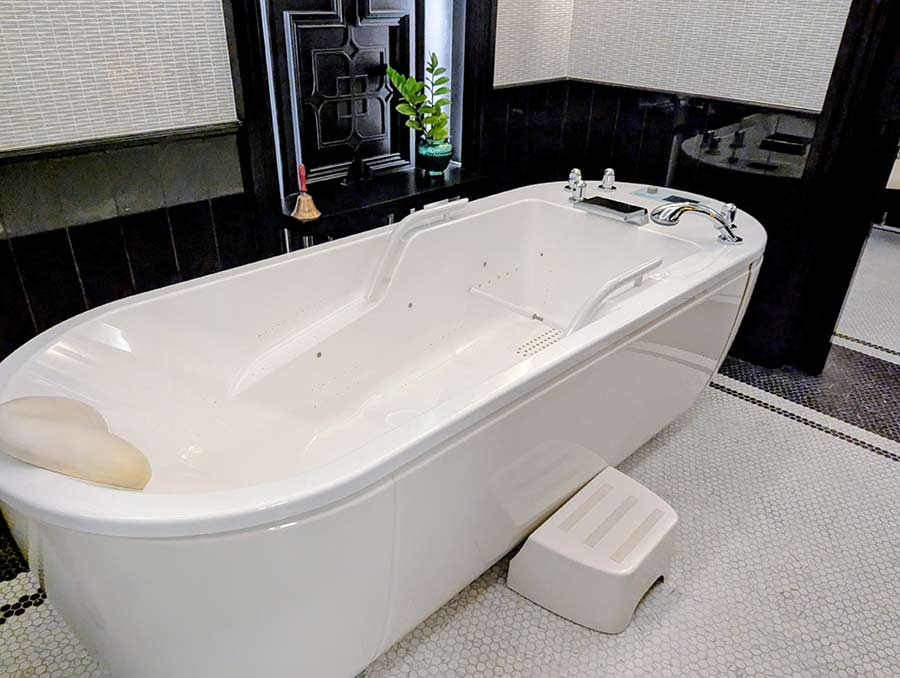
- Salt baths designed for muscle recovery and skin health
- Hydrotherapy circuits with temperature contrasts
- Mineral pools influenced by Japanese and Korean bathing culture
- Steam and ice experiences integrated into spa journeys
Bathrooms themselves have evolved. Heated floors, sensory showers, chromotherapy lighting and Japanese-style intelligent toilets are becoming standard at the top end.
The toilet once ignored is now part of the wellness narrative: warmth, hygiene, comfort and ritual.
In Bangkok, this doesn’t feel indulgent. It feels logical.
Sleep, Light and Circadian Design
Sleep is the new status symbol.
Hotels are now optimising rooms for circadian alignment through:
- Warm, adjustable mood lighting
- Blackout systems that actually work
- Reduced electromagnetic interference
- Quiet ventilation systems
- High-grade bedding and pillow menus
Some properties are actively educating guests on sleep optimisation, while others quietly build it into the experience.
This reflects a wider trend: wellness without instruction. The guest doesn’t need a brochure — the environment does the work.
Fitness Becomes Immersive
Bangkok’s hotel gyms are no longer an afterthought.
High-end properties now feature:
- 24-hour access with natural light
- Immersive spinning studios with LED environments
- “Journey-based” classes inspired by clubs and performance spaces
- Personal training aligned with recovery and longevity, not aesthetics
The influence of high-end fitness clubs is obvious. Some cycling studios feel closer to a Tron-like cinematic experience than a traditional workout.
Movement is reframed as engagement, not punishment.

IV Drips, Vitamin Therapy and Bio-Optimisation
One of the clearest signals of Bangkok’s wellness maturity is the normalisation of medical wellness.
Guests can now access:
- Vitamin D injections
- IV nutrient drips
- Hormonal optimisation consultations
- Longevity screenings
Often arranged discreetly through concierge services or partner clinics, these treatments are no longer fringe offerings. They’re part of the stay — especially for long-term guests and frequent travellers managing fatigue, jet lag and immune health.
Bangkok’s clinics operate at an exceptionally high technological level, often surpassing European counterparts in accessibility and innovation.
The Bigger Picture: Wellness as Urban Escape
What makes Bangkok unique isn’t just the treatments or the technology — it’s the contrast.
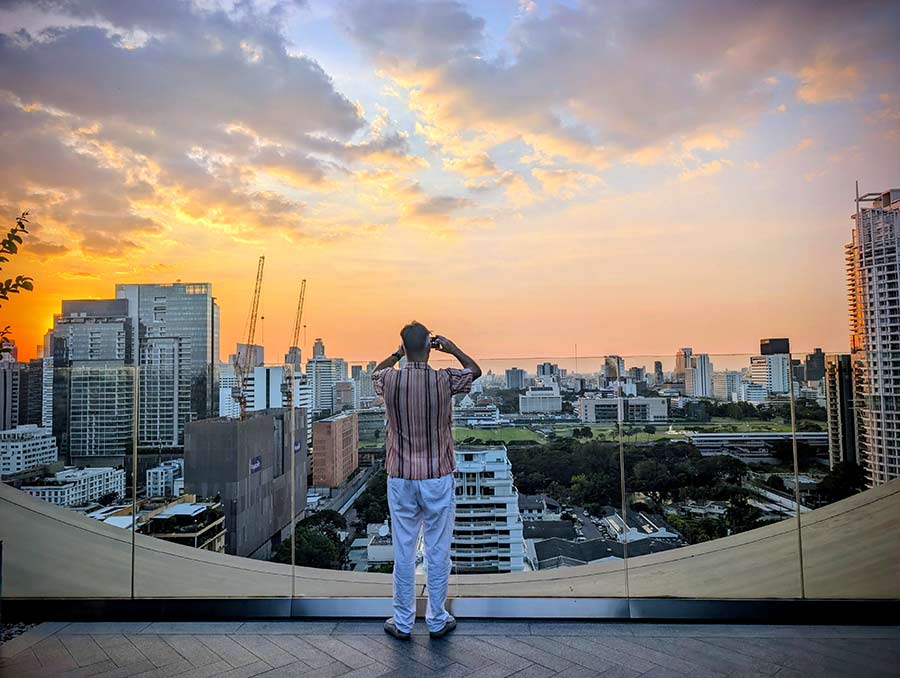
Outside the hotel: traffic, heat, density, relentless motion.
Inside: airflow, greenery, silence, water, ritual.
Hotels have become micro-cities of calm, offering what the surrounding urban environment cannot.
This is why Bangkok is winning.
Not because it’s cheap — it no longer is.
Not because it’s exotic — that narrative is tired.
But because it understands modern exhaustion and responds with precision.
Even ballerina pumps are looking like garden of eden.

Final Thought
Bangkok’s wellness hotels aren’t about indulgence. They’re about functioning better — physically, mentally and emotionally.
In a world where stress is constant and recovery is rare, Bangkok has positioned itself as a city where healing is efficient, luxurious and deeply integrated into daily life.
And the hotels?
They are no longer places to sleep.
They are places to reset.















You must be logged in to post a comment.