
Rattan Furniture Is Back: How to Style It Like a Designer (Without Going Full Boho)
If your home needs new energy but every store seems to offer the same tables, chairs, and beds, rattan can be the shortcut to warmth, texture, and instant personality. It’s lightweight, timeless, and makes a room feel finished — especially if you live somewhere warm where indoor and outdoor living blur into one.
I’ve used rattan in my Koh Samui condo for exactly that reason: it looks right, it lives well, and it brings that relaxed “tropical calm” without feeling temporary.
What Is Rattan?
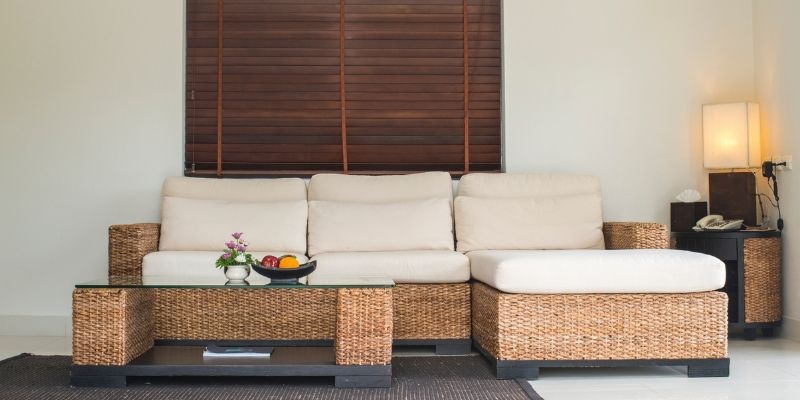
Rattan (also spelled ratan) is the name for hundreds of species of Old World climbing palms. It grows in long, flexible stems that can be steamed, bent, and woven into furniture and accessories.
It’s often confused with bamboo, so here’s the simplest way to separate the three terms you’ll see everywhere:
- Rattan = the material (a climbing palm)
- Bamboo = a different plant (a grass), usually thicker and more rigid
- Wicker = the weaving technique (can be rattan, bamboo, willow, seagrass, etc.)
So when people say “wicker chair,” they usually mean “woven chair”—not necessarily made from rattan.
A quick note on bamboo
Bamboo deserves its own love letter. I’ve visited bamboo plantations and you don’t really understand its strength until you see it in real life. Many homes across Southeast Asia use bamboo structurally because it’s naturally strong, abundant, and built for tropical living.
Rattan, bamboo, and woven fibres aren’t “trends” in Asia — they’re part of everyday design logic.
The Rise, Fall, and Return of Rattan + Wicker
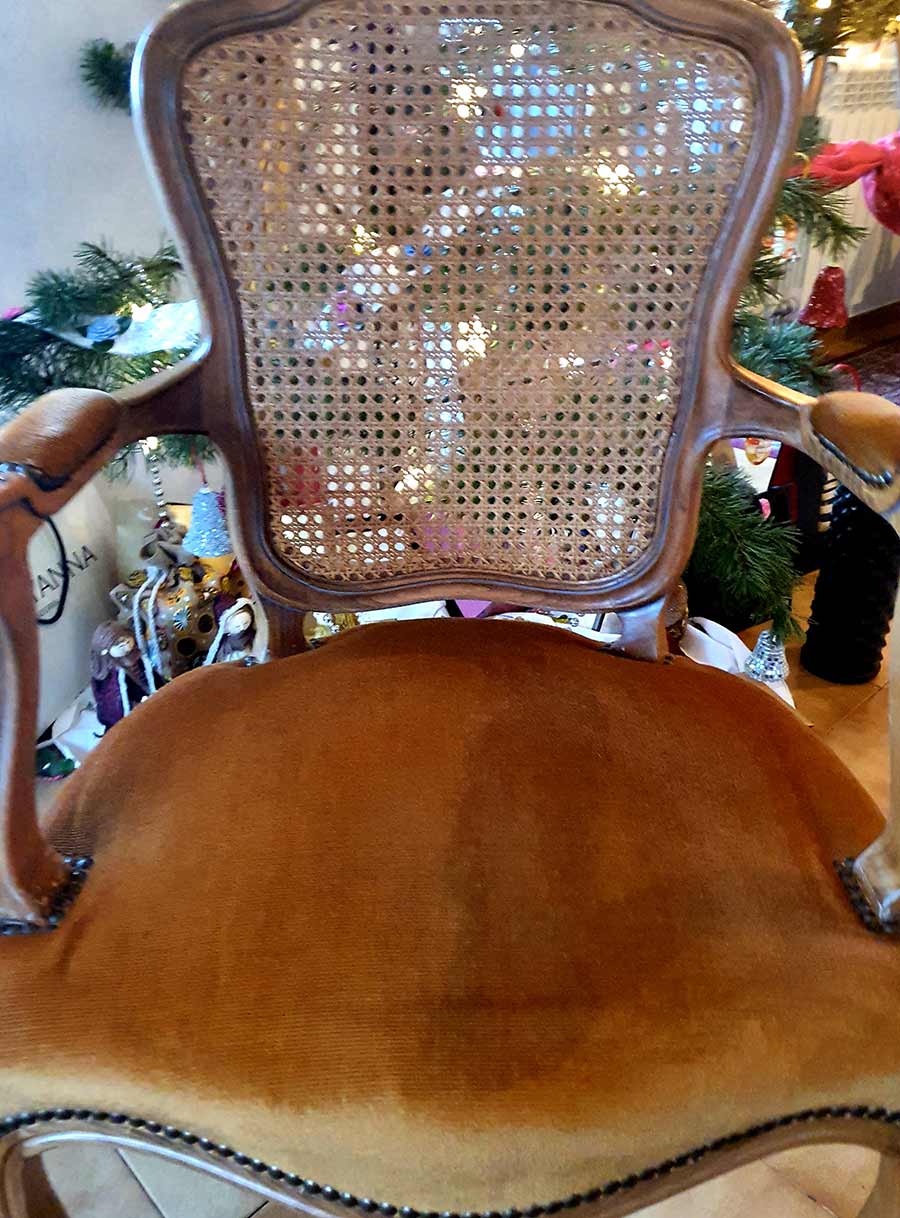
Rattan and wicker were hugely popular in the Victorian era (late 1800s), especially in conservatories and verandas. Then they had another major moment in the late 1960s and 1970s, tied to bohemian, countryside, and laid-back coastal living.
Now they’re back again — not as novelty “boho props,” but as design-forward pieces that work with modern interiors: plaster walls, travertine, warm woods, clean lines, and calm colour palettes.
The reason is obvious: after years of hard, shiny interiors, people crave homes that feel human again — softer, warmer, more natural.
Famous Rattan Designers to Watch For
If you ever come across rattan furniture linked to notable designers or high-quality makers, it’s often worth a second look. Vintage rattan can be exceptionally well-made and has real collector appeal.
Names you may see referenced include:
- Arne Jacobsen
- Charlotte Perriand
- Franco Albini
- Heywood-Wakefield
Even without a label, good rattan has a “tell”: it feels stable, balanced, and beautifully finished. Bad rattan wobbles and creaks in the first ten seconds.
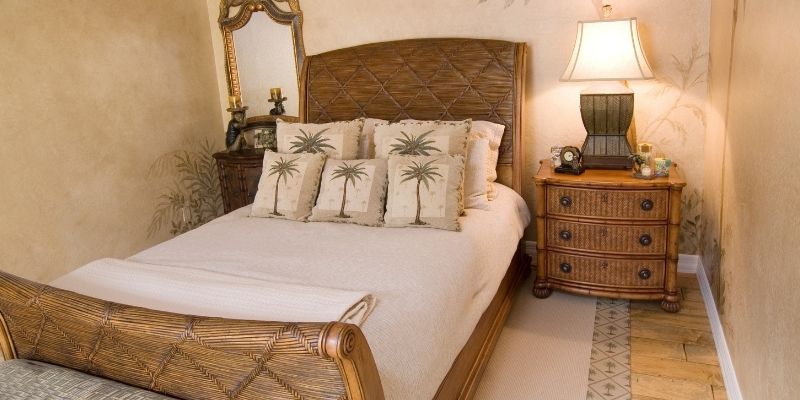
The Easiest “Wow” Upgrade: Rattan Headboards
Rattan headboards are one of the fastest ways to make a bedroom feel styled — even if everything else stays minimal.
I found a rattan headboard in cream and green, and I’m respraying it gold. Rattan is perfect for that Art Deco vibe because it has natural curves and texture, and it doesn’t need heavy carving or expensive materials to look special.
Rattan and woven fibres were everywhere in the 1930s–1950s, which is exactly why they work so well for a soft glamour look today.
How to paint rattan properly (so it doesn’t look “DIY messy”)
- Clean it thoroughly (dust hides in the weave)
- Let it dry completely
- Use a primer suited to the surface (light, even coats)
- Spray in thin layers, rotating the piece to hit every angle
- Don’t rush the drying time — rattan traps moisture if you do
Gold rattan + crisp white bedding + one bold cushion = instant boutique-hotel bedroom.
How to Decorate With Rattan (Without Making Your Home Look Like a Theme)
The secret is restraint. One or two hero pieces look intentional. Ten pieces can start to feel like a display.
Here are four styling directions that always work:
1) Modern Minimal (Texture, not clutter)
- Pair rattan with white walls, stone, plaster, black accents
- Keep shapes clean: low chairs, simple pendants
- Add one hero piece: rattan lounge chair or headboard
This is especially good if your space already has modern lines and you just want softness.
2) Tropical Calm (the Koh Samui method)
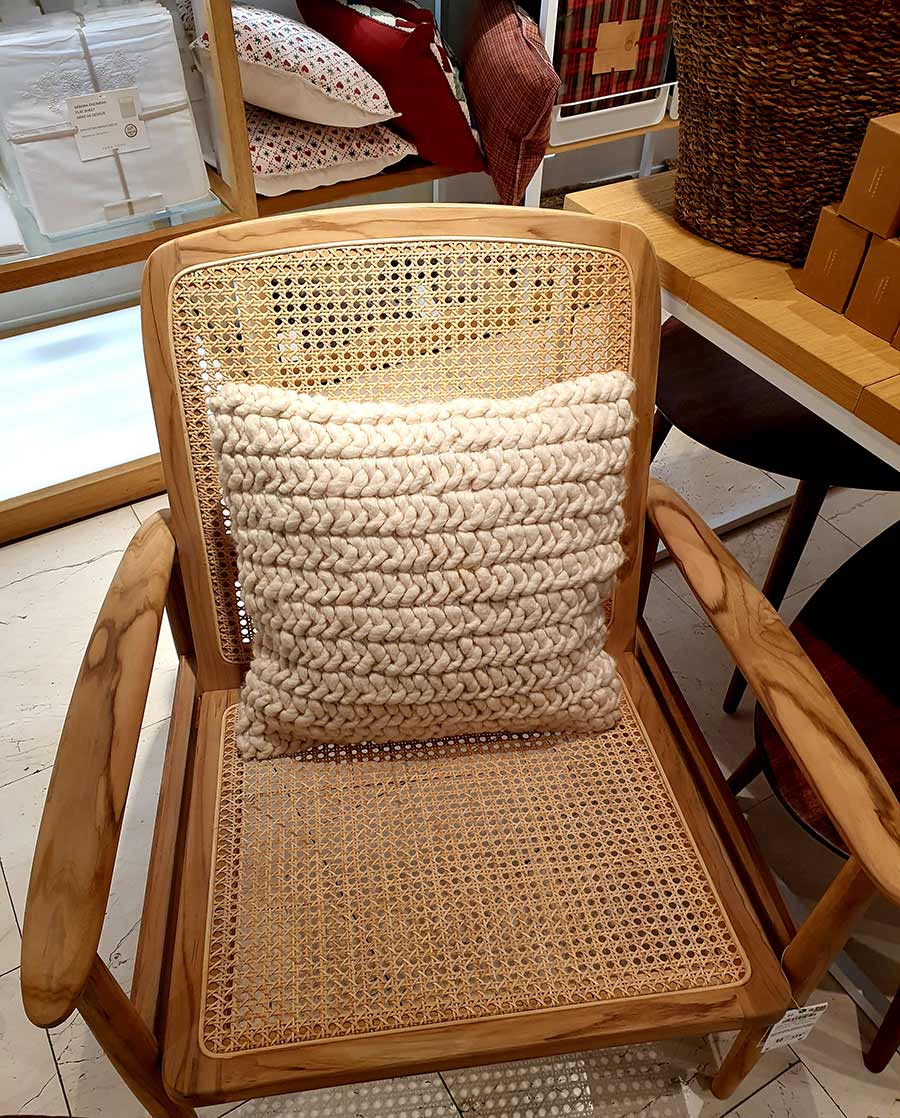
- Use rattan where your home “breathes”: balcony seating, reading corners, dining chairs
- Add linen cushions, neutral throws, and indoor plants
- Keep the palette natural: sand, cream, warm wood, olive
It suits tropical living because it never feels heavy.
3) Art Deco Twist (rattan, but make it glamour)
- Paint or accent rattan in gold, brass, or deep espresso
- Mix with velvet cushions, scalloped shapes, and warm lighting
- Add one “shiny” element: a mirror, a brass tray, a glass lamp
Rattan becomes Deco when the palette gets richer and more dramatic.
4) Countryside & Victorian Romance
- Mix rattan with antiques and vintage wood
- Add woven baskets for logs, laundry, magazines
- Layer rugs and textures to keep it cosy
Perfect if you love that old-world “conservatory meets countryside” feel.
Where to Buy Rattan and Get Ideas
If you want inspiration for modern rattan, I always look at:
- ZARA Home for how natural materials are being used in modern interiors (stools, baskets, accessories, warm neutrals)
- IKEA for affordable, easy-to-source pieces and seasonal rattan trends
- Antique stores + charity shops for the real treasure (and better craftsmanship)
It’s like fashion: what one person calls “outdated,” another calls “future vintage.” Rattan is exactly that kind of cycle.
Tips for Selecting the Right Rattan Furniture (Comfort + Quality)
Rattan is like choosing shoes: it can be beautiful, but it must work for real life.
What to check before you buy
- Sturdiness: no wobble, no rocking unless it’s meant to
- Weave quality: tight and consistent, no loose strands
- Joins: corners and bends should look smooth, not stressed
- Finish: sealed rattan handles humidity and daily wear better
- Use case: indoor rattan isn’t the same as outdoor rattan
Comfort warning (you’re not imagining it)
Some rattan seating looks stunning and feels like punishment after 15 minutes. The fix is simple:
- Add tailored seat cushions (linen, canvas, outdoor fabric)
- Use lumbar cushions to soften the back curve
- Prioritise supportive frames over delicate silhouettes
Your home should feel like feng shui — not a showroom you can’t relax in.
Caring for Rattan in Humid or Coastal Climates
If you live somewhere tropical or humid:
- Keep rattan out of constant harsh sun (it can dry and split)
- Dust regularly using a soft brush or vacuum brush head
- Wipe lightly with a barely damp cloth — never soak
- Improve airflow if you notice musty smell or mildew
Rattan loves air circulation. Treat it like a natural fibre, not plastic.
Final Thoughts: Why Rattan Always Wins
Rattan isn’t just a trend — it’s a material with history, craft, and that rare ability to make a home feel calmer instantly. Use it as texture, not as a costume. One strong piece (a headboard, chair, mirror, or basket) can shift the mood of an entire room.
And if you live in a place like Koh Samui, rattan doesn’t just look good — it makes sense.