
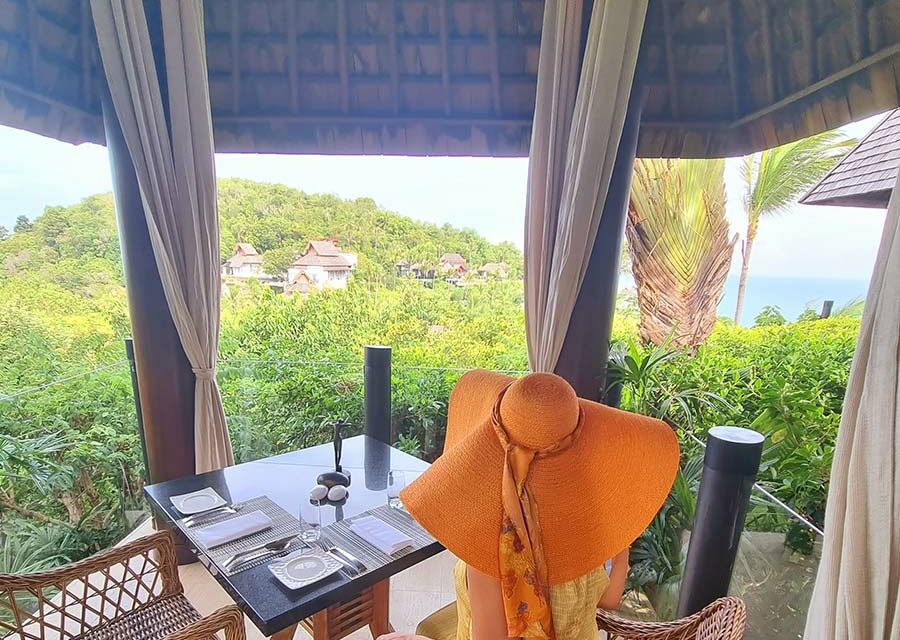
A debate from Gracie Opulanza, hotel reviewer since 2015
When Real Housewives of New York alum Bethenny Frankel recently blamed hotel towels and sheets for a bacterial facial infection she allegedly contracted while holidaying in St. Barths, the internet did what it does best: panic, amplify, and catastrophise.
Thanks to Bethenny, we are now apparently meant to fear the humble hotel towel.
Frankel went as far as vowing she would “never ever” use hotel towels or sheets again — a statement that doesn’t just indict one hotel, but the global hospitality industry at large. It’s dramatic, headline-friendly, and perfectly calibrated for viral outrage. But it also raises an uncomfortable question:
Is this really about hotel hygiene — or are we watching the fear economy of travel at work?
As someone who has reviewed hotels across the globe since 2015, lived in Europe, and now bases herself in South-East Asia, I find the claim deeply questionable — not because infections don’t exist, but because the narrative feels selective, simplistic, and dangerously misleading.
I just reviewed the Sindhorn Kempinski in Bangkok two weeks ago.

Sindhorn Kempinski Bangkok two weeks ago
A decade of hotels, no towel trauma
Let’s be clear about my credentials. I am not a celebrity issuing hot takes from a sun lounger. I am Gracie Opulanza, a long-term hotel reviewer who has stayed in:
- Luxury resorts
- Five-star city hotels
- Budget hotels
- Filthy Airbnbs that should never have been listed
- Rural guesthouses
- Overworked European city hotels
- Hyper-staffed Asian resorts
I have stayed in places where you would reasonably fear hygiene — and many where you wouldn’t.
And in over ten years of near-constant travel, I have never once heard of someone contracting a facial bacterial infection specifically from hotel towels — let alone at a luxury destination like St. Barths.
That alone should give us pause.
The leap from infection to blame
What troubles me most is not that Bethenny Frankel had a health issue — that is unfortunate and deserves empathy. What troubles me is the immediate leap from “I have an infection” to “hotel towels caused this”.
Where is the medical confirmation?
Where is the microbiological evidence?
Where is the acknowledgment of other contributing factors?
Infections do not occur in a vacuum. Skin health is influenced by:
- Diet
- Stress
- Hormonal changes
- Existing health conditions
- Medications
- Immune response
- Environmental exposure
- Sun, alcohol, dehydration
- Long-haul travel fatigue
Bethenny Frankel herself has been open about health issues for years. To reduce a complex bodily response to a single hotel towel is not just medically dubious — it’s intellectually lazy.
Over-tourism, under-staffing, and Europe’s real problem
If we are going to discuss hygiene standards honestly, we must talk about over-tourism, particularly in Europe and elite resort destinations.
St. Barths is not immune to this.
In many “posh” European locations, hotels are facing:
- Chronic staff shortages
- Burnout among housekeeping teams
- Rising costs without proportional wage increases
- A post-pandemic travel surge they were not structurally rebuilt to handle
Housekeeping staff are expected to clean more rooms, faster, with fewer people. That does create risk — but not in the sensationalised way Bethenny suggests.
Contrast this with Asia.
Asia: more staff than tourists
In much of South-East Asia, the dynamic is entirely different.
Hotels here often have:
- More staff than they know what to do with
- Multiple layers of housekeeping checks
- Slower room turnover
- A cultural emphasis on cleanliness and service
In the last four months alone, I have stayed in:
- An Airbnb in Austria
- A hotel in Bangkok
- Kempinski Bangkok
- A long-term stay in Koh Samui
- And now Siem Reap, Cambodia
I use the towels.
I sleep in the sheets.
I live like a normal human being.
I have not had a single skin issue, infection, or reaction.
If hotel towels were the silent global menace Bethenny implies, Asia — with its humidity and heat — would be ground zero. It isn’t.
The danger of celebrity anecdote
Bethenny Frankel has a powerful platform, and with that comes responsibility.
When a celebrity frames a personal health issue as a universal travel risk, it doesn’t just scare travellers — it damages destinations, undermines hospitality workers, and feeds irrational fear.
Tourism is already fragile in many parts of the world. Hotels are rebuilding reputations, staffing levels, and trust. A throwaway line from a reality TV star can undo years of work.
Worse still, it encourages people to look outward for blame instead of inward for understanding.
Could it be lifestyle?
This is the uncomfortable question no one wants to ask.
Could Bethenny’s infection be linked to:
- Diet?
- Alcohol?
- Stress?
- Sun exposure?
- Dehydration?
- Immune response?
- Existing skin sensitivity?
These factors are far more common causes of skin infections than freshly laundered hotel towels — especially in luxury resorts that outsource professional linen services with industrial sanitation standards far exceeding most home washing machines.
Yet these possibilities are quietly ignored.
Fear sells — nuance does not
Let’s be honest:
“Hotel towels are dangerous” sells better than
“Health issues are complex and personal.”
But as travellers, writers, and industry voices, we must resist the temptation to turn anecdote into alarmism.
Hotels are not perfect.
Some Airbnbs are truly disgusting.
Standards vary wildly.
But to single out hotel towels in St. Barths as the villain is not a serious argument — it’s a soundbite.
Final thoughts: Travel without paranoia
Travel already requires resilience. Jet lag, unfamiliar food, climate shifts, and constant movement test the body.
What it does not need is unnecessary paranoia.
If we stop using hotel towels, do we stop sitting on planes?
Do we stop touching menus?
Do we stop swimming in pools?
Do we stop staying in hotels altogether?
At some point, fear becomes performative.
After a decade of global hotel stays — from the sublime to the shockingly bad — I remain unconvinced that hotel towels are the threat we should be worrying about.
Travel smart.
Choose reputable hotels.
Listen to your body.
But don’t let celebrity conjecture replace common sense.
Because if hotel towels were truly the enemy, I — and millions of full-time travellers — would have found out long ago.
And we haven’t.












You must be logged in to post a comment.