
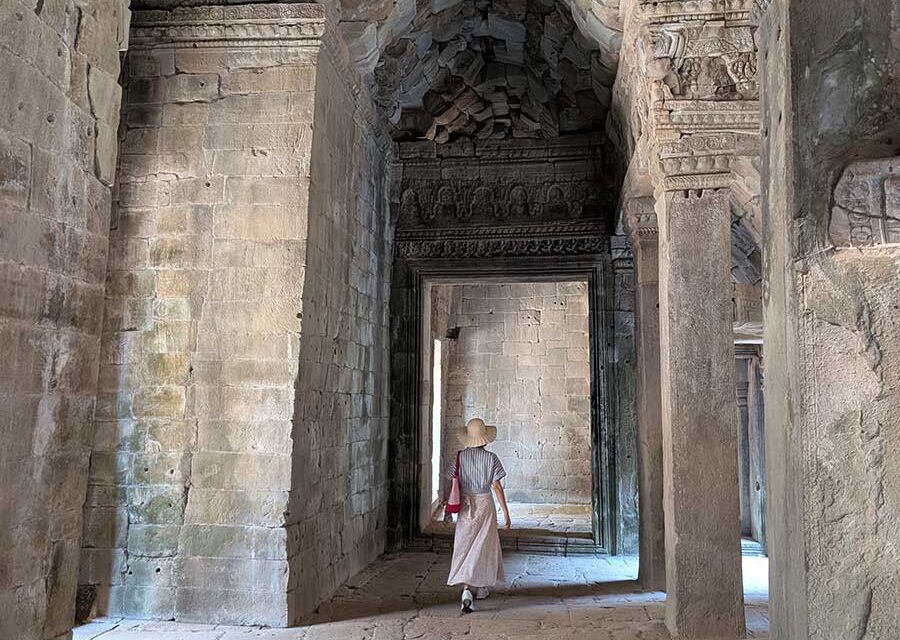
Recent global wellness travel research reveals a powerful shift: nearly 9 in 10 wellness-motivated travellers now prioritise destinations offering direct access to nature, fresh air and outdoor activity. For 2026, wellness is no longer confined to spas and detox retreats. It has become something far more instinctive — sunlight on skin, wind in the trees, swimming in lakes and seas, and waking up to birds instead of traffic.
For slow traveller Gracie Opulanza, this evolution feels deeply familiar. Over the past three months alone, she has experienced Tuscany, Austria, Switzerland, Thailand, Cambodia and Vietnam — moving between mountains, coastlines, rivers and flower-filled gardens. What she has witnessed across continents is remarkably consistent: travellers are searching for the same thing everywhere.
They want space, purity and beauty.
They want food that tastes like it came from the ground that morning.
They want rooms with views that calm the mind.
They want air that smells of trees, salt or rain — not petrol and perfume.
Wellness in 2026 is about where you wake up, not just what treatments you book.
Nature as Therapy, Not a Backdrop
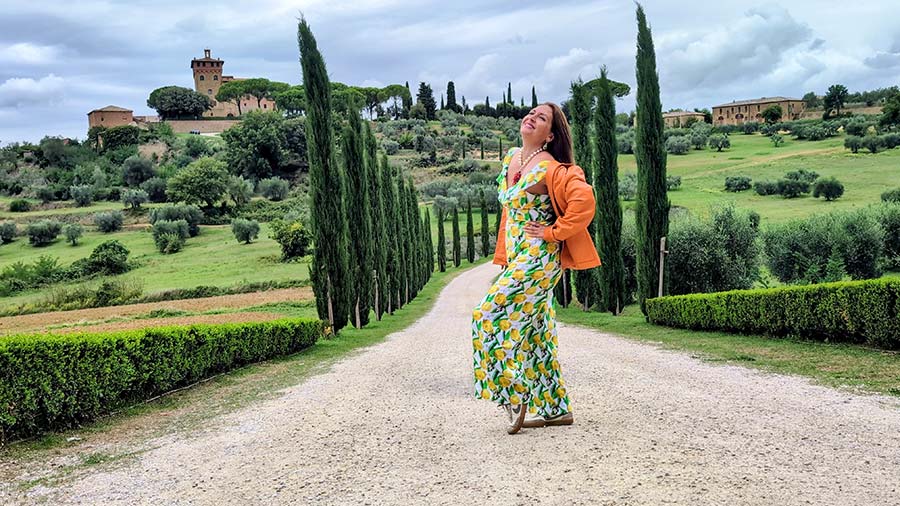
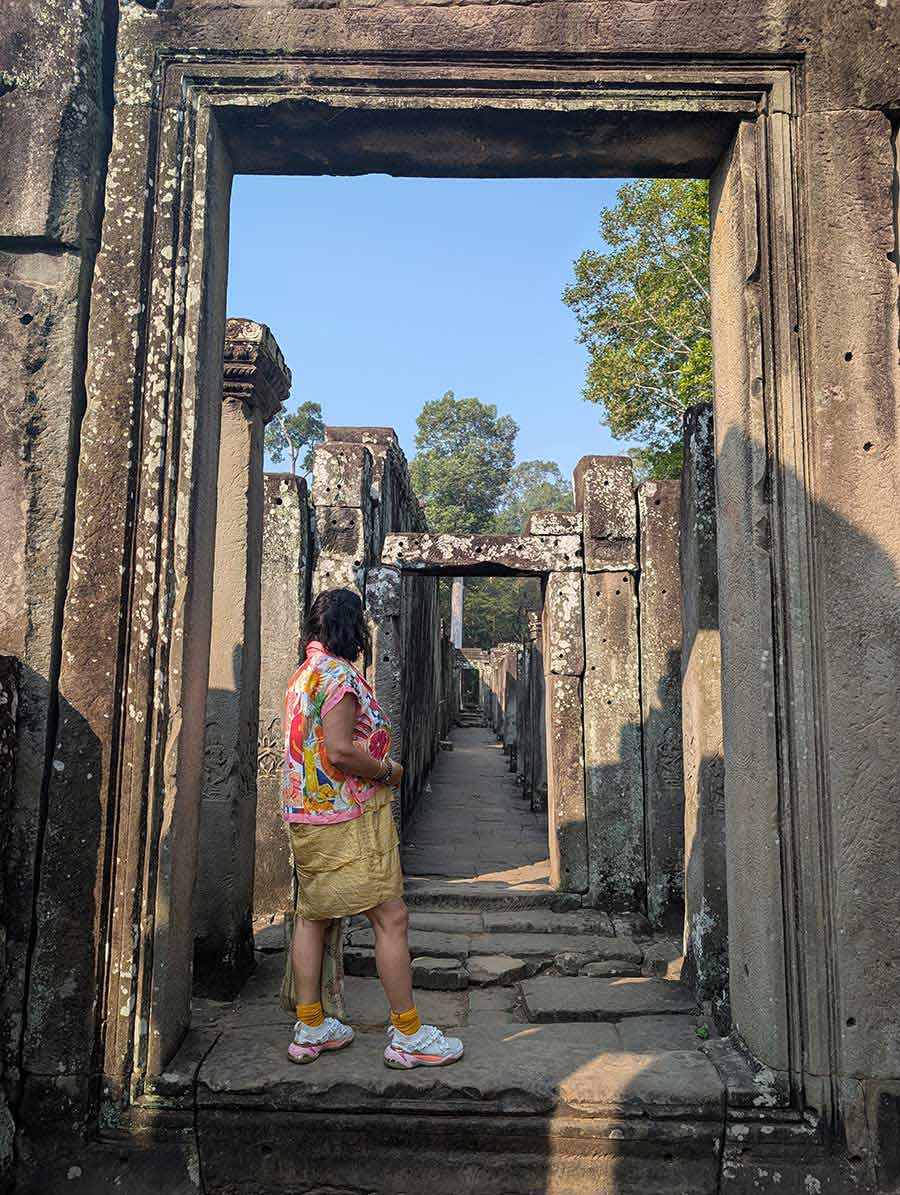
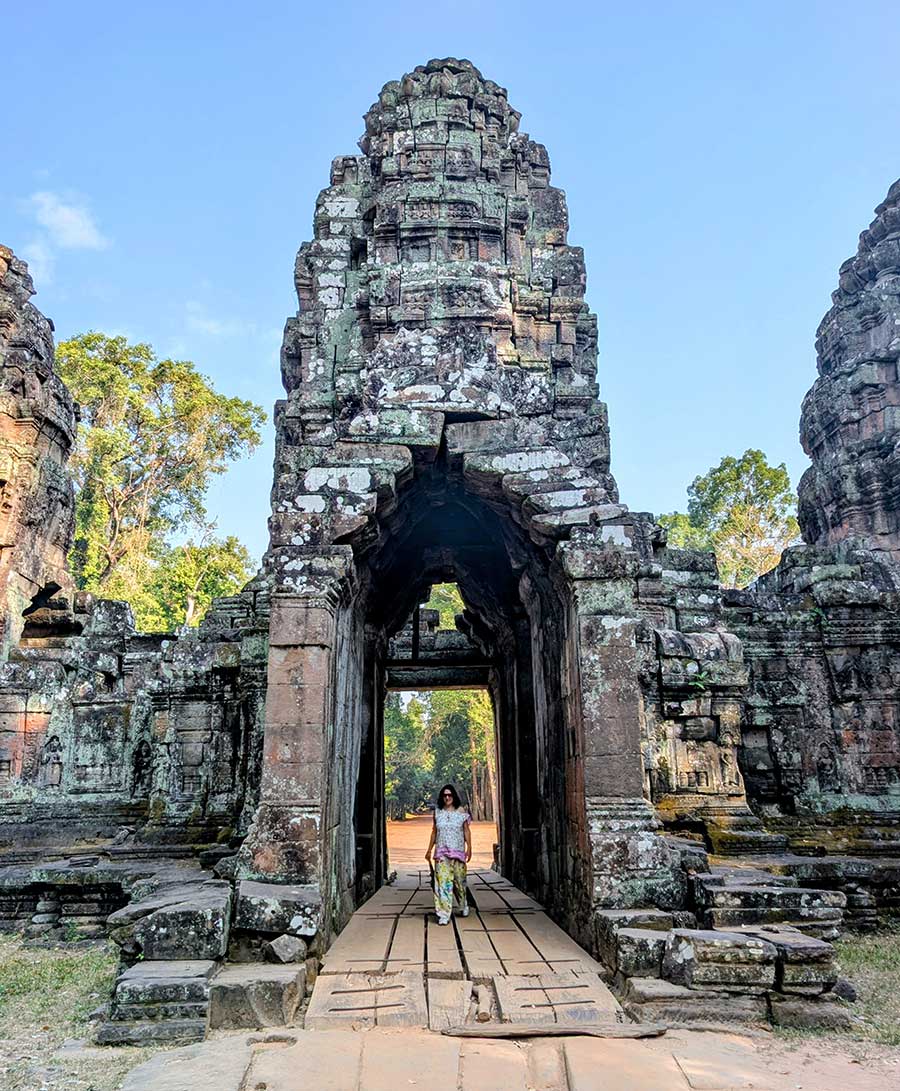
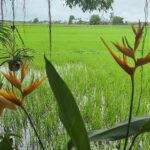
In Tuscany, mornings begin with mist lifting off olive groves and vineyard rows. In Austria and Switzerland, it is alpine silence broken only by cowbells and water streams. In Thailand and Vietnam, it is tropical air heavy with frangipani and birdsong. Cambodia offers wide skies, rice fields and ancient trees growing beside temples.
Across these landscapes, one pattern emerges:
travellers are choosing destinations that feel alive.
They want trails instead of treadmills.
Lakes instead of infinity pools.
Forests instead of air-conditioned corridors.
The new wellness traveller wants to walk, float, swim and breathe — not be enclosed.
For 2026, the most desirable destinations are not the loudest or trendiest, but those that offer:
• direct access to water (sea, lake, river)
• forests or farmland
• clean, breathable air
• visual calm
• natural light
This is not escapism. It is restoration.
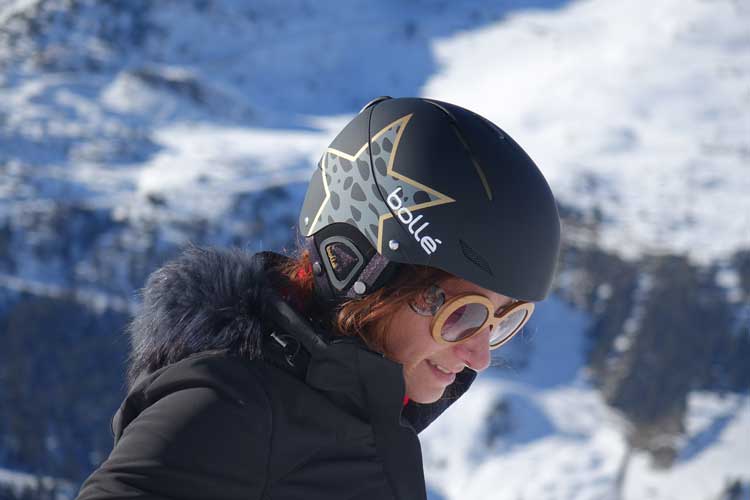
Rooms With Views Are No Longer Optional
Luxury used to mean thread count and minibar. Wellness luxury now means what you see and hear when you wake up.
Gracie’s top rule for wellness accommodation:
If the view does not calm you, the room is not wellness.
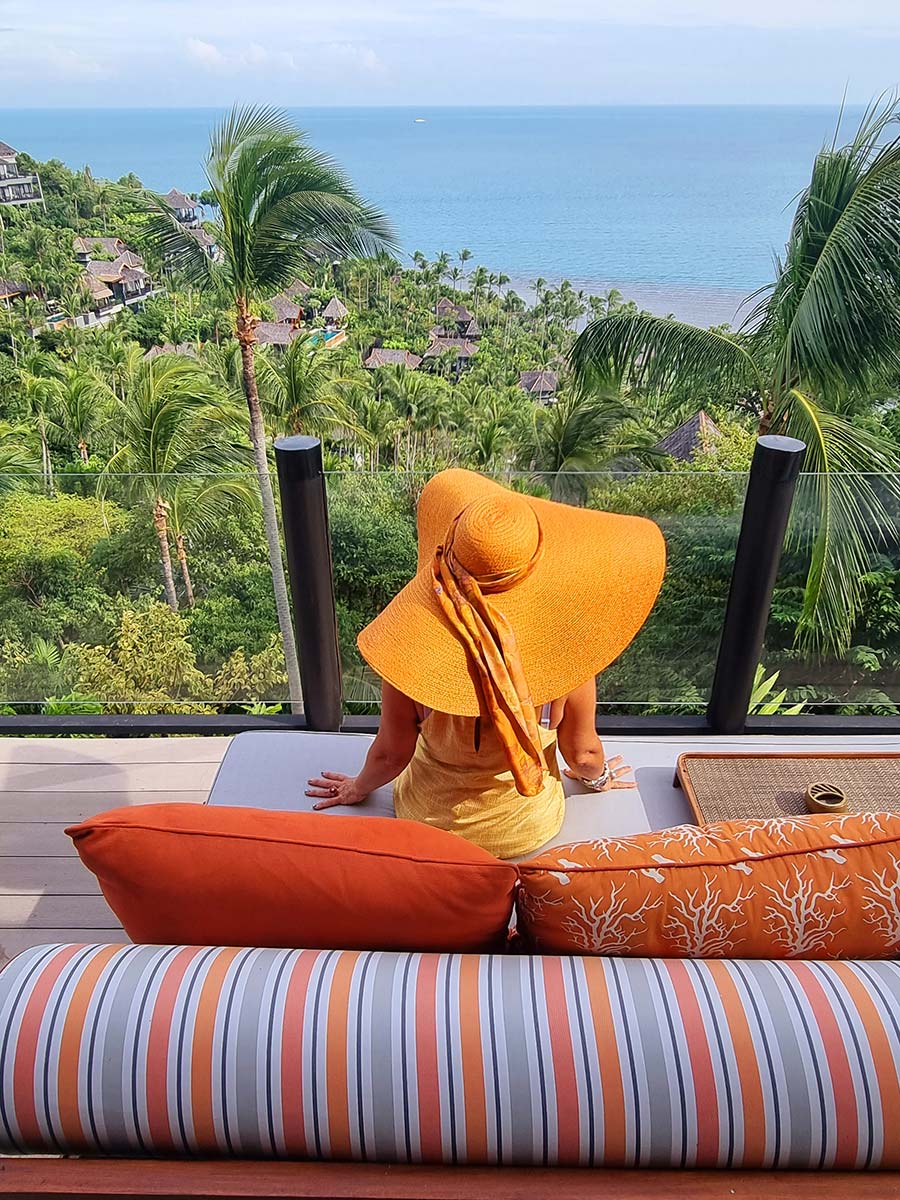
Across Europe and Southeast Asia, she noticed that travellers consistently choose rooms with:
• sea views
• lake views
• mountain panoramas
• gardens and flowers
• birds, cicadas, waves or wind as soundtracks
Rooms facing roads, car parks or walls are quietly falling out of favour.
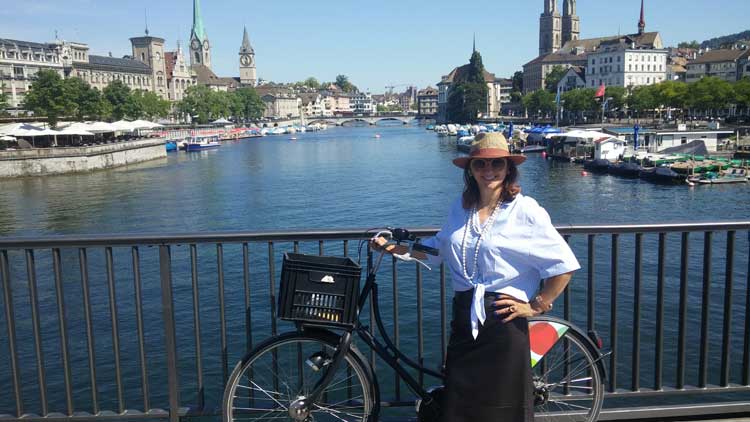
In Switzerland, lakeside hotels sell out first.
In Tuscany, countryside villas outperform city stays.
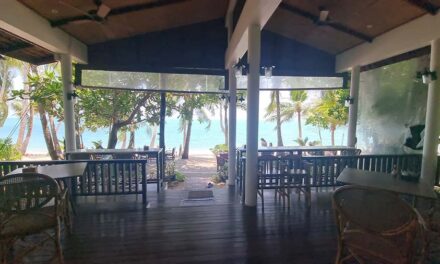
In Thailand, beachfront bungalows book faster than urban resorts.
In Vietnam, river and garden hotels outperform central towers.
Sound matters too.
Waves lower stress hormones.
Birdsong regulates breathing.
Wind through trees encourages slower movement.
For 2026, travellers are not paying for square metres.
They are paying for sensory peace.
Organic Food and Local Ingredients Lead the Wellness Plate
Wellness travel has outgrown “diet menus”. It is now about food that feels honest.
Across all six countries Gracie visited, the most memorable meals were not imported superfoods, but:
• Tuscan tomatoes with olive oil
• Alpine cheese with fresh bread
• Thai papaya salad with lime
• Cambodian rice with herbs
• Vietnamese soups with garden greens
The new wellness traveller wants:
• organic or pesticide-light food
• seasonal menus
• local farming
• simple cooking
• fewer sauces, more ingredients
Luxury is now a tomato that tastes like summer.
A mango that smells like sunshine.
A fish caught the same day.
Travellers are moving away from buffet excess and towards clarity. One good dish is better than ten options.
For 2026, expect wellness hotels to highlight:
• where food comes from
• who grows it
• how it is prepared
• what time it was harvested
Wellness is no longer imported.
It is grown.

Water Is the New Wellness Centre
Sea, lakes and rivers are replacing spa schedules.
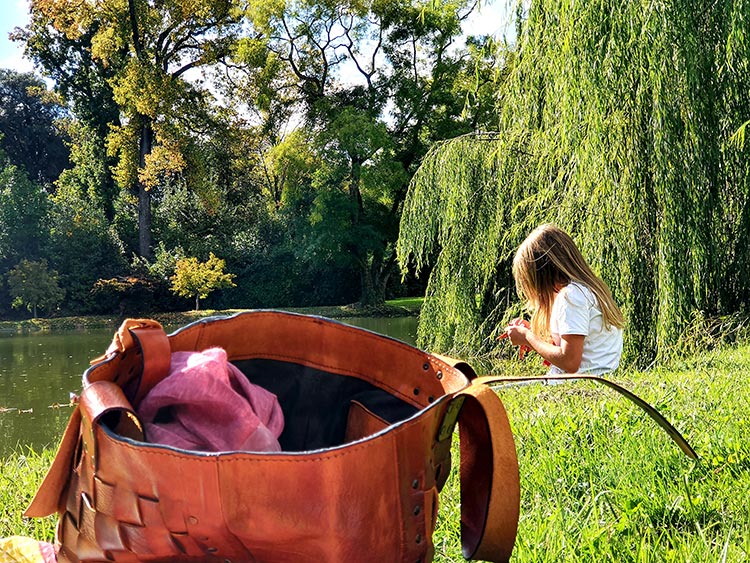
In Austria and Switzerland, swimming in cold alpine lakes is a ritual.
In Thailand and Vietnam, floating in warm seas is therapy.
In Cambodia, river walks at sunrise replace yoga studios.
Travellers are choosing:
• saltwater over chlorinated pools
• freshwater lakes over indoor jacuzzis
• river walks over treadmills
Water is intuitive.
It regulates the nervous system.
It invites slow movement.
It requires no instruction.
For 2026, destinations with accessible water will dominate wellness bookings. Not for glamour, but for natural regulation of stress.
Flowers, Gardens and Beauty Matter
One unexpected wellness marker: flowers.
Gracie observed that travellers linger longer in places with:
• flowering gardens
• fruit trees
• vines
• balconies with plants
• hotel grounds with colour
Beauty is not decoration — it is psychological nutrition.
Seeing colour reduces cortisol.
Fragrance improves mood.
Gardens encourage walking.
Plants soften architecture.
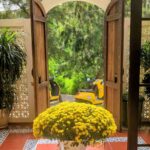
In Tuscany, roses climb walls.
In Thailand, orchids grow wild.
In Vietnam, lotus ponds shape hotel courtyards.
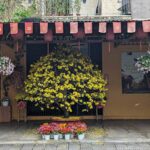
In Switzerland, window boxes bloom in every village.
For 2026, expect more hotels to market:
• gardens
• orchards
• flower terraces
• natural landscaping
Concrete is out.
Green is in.
Slower Travel, Fewer Destinations
Wellness travellers are staying longer in fewer places.
Instead of five cities in ten days, they choose:
• one lake
• one coast
• one valley
• one village
Gracie’s recent pattern reflects this: extended stays in Tuscany countryside, alpine regions, and Southeast Asian nature zones.
Why?
Because wellness is not activity-based.
It is rhythm-based.
Travellers want to wake up without alarms.
Eat when hungry.
Walk without purpose.
Swim without time.
The fastest way to ruin wellness is over-planning.
For 2026, the winning destinations will be those that encourage:
• long breakfasts
• slow walks
• outdoor seating
• quiet evenings
• minimal transport
The journey becomes circular, not linear.
Gracie Opulanza’s Top Wellness Travel Tips for 2026
After moving between Tuscany, Austria, Switzerland, Thailand, Cambodia and Vietnam, Gracie’s personal wellness rules are simple:
1. Choose air over amenities
If the air smells clean, the stay will be restorative.
2. Always book the view
Sea, lake, garden or mountains. Never streets.
3. Eat what grows there
Avoid imported menus. Local food equals local balance.
4. Swim daily if possible
Water resets the nervous system.
5. Listen to the mornings
Birds, waves and wind matter more than Wi-Fi.
6. Seek flowers and colour
They soften stress without effort.
7. Travel slower than your instincts
Wellness happens when nothing urgent exists.
What Travellers Are Truly Seeking in 2026
Not detox.
Not discipline.
Not perfection.
They are seeking permission to be natural again.
Bare feet.
Warm sun.
Clean food.
Moving water.
Quiet mornings.
Long evenings.
Wellness travel in 2026 is not about becoming better.
It is about becoming calmer.
Destinations that offer:
• nature
• air
• water
• beauty
• simplicity
will outperform those offering complexity and spectacle.
The future of wellness travel is not futuristic.
It is elemental.
And whether in Tuscany vineyards, Swiss lakes, Thai beaches, Cambodia gemstones or Vietnamese riversides, the message is the same:
Health now looks like landscape.








You must be logged in to post a comment.