
Visiting Siem Reap is not just a holiday; it is a physical, cultural, and emotional experience. The temples of Angkor are among the most extraordinary archaeological sites in the world, but they demand a little preparation—especially when it comes to what you wear, how fit you are, and what to expect from the climate.
This is not a city break where you wander between cafés and boutiques. Angkor is vast, ancient, uneven, and often unforgiving under the Cambodian sun. That said, if approached with the right mindset and practical planning, it is deeply rewarding.
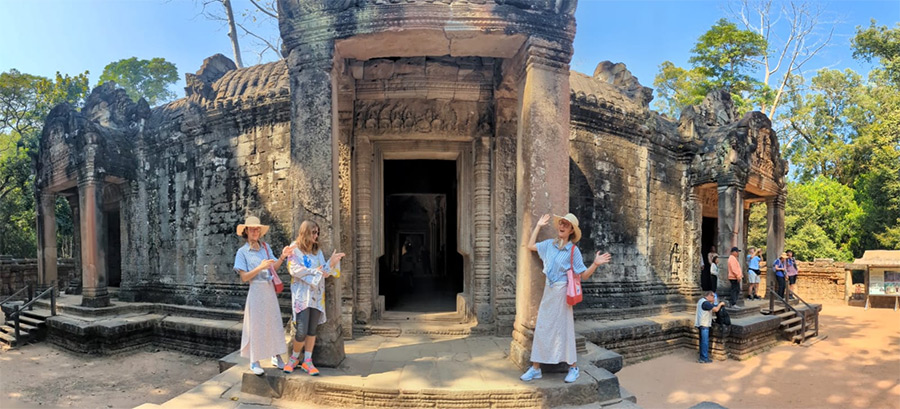
Dressing for the Temples: Practical, Respectful, and Comfortable
The first rule when visiting temples in Cambodia is respect. Angkor Wat, Bayon, Ta Prohm, and the many lesser-known temples are active religious and cultural sites, not just photo backdrops.
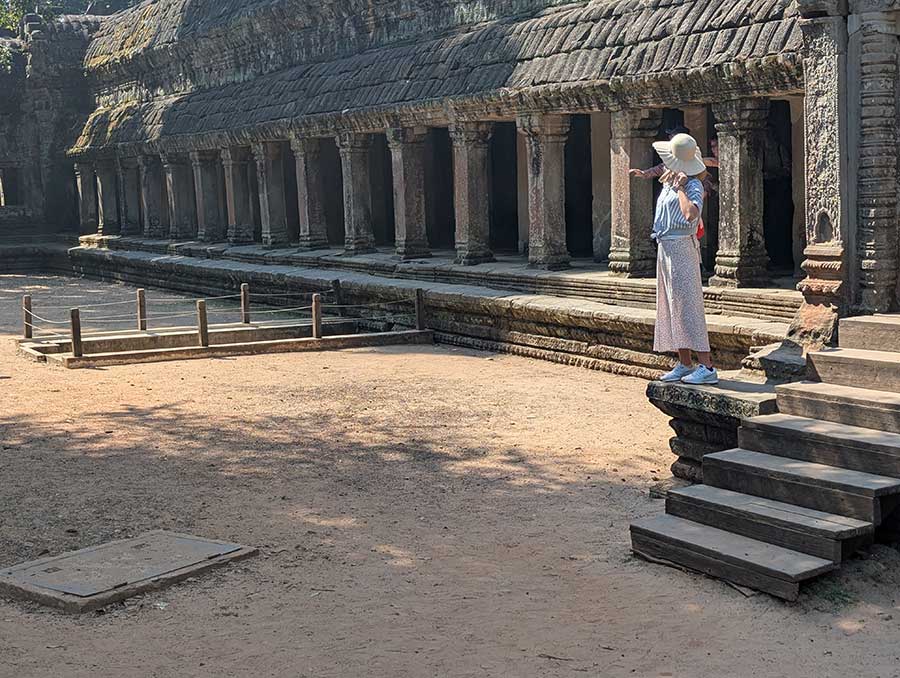
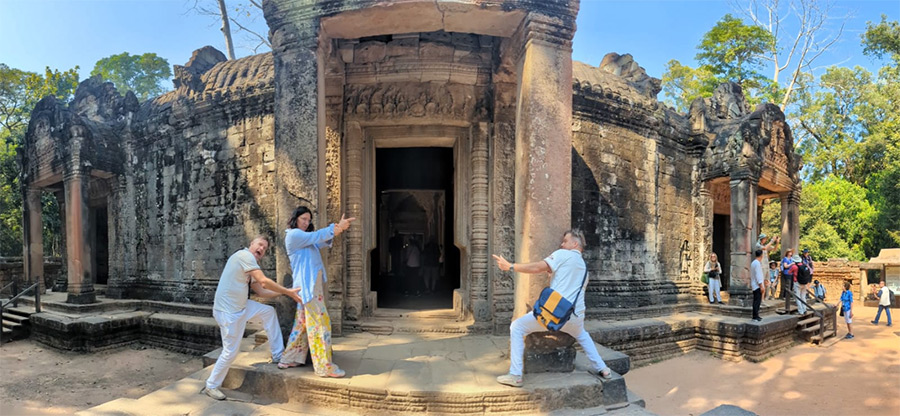
Your shoulders should be covered, and skirts or shorts should fall below the knee. This applies to both men and women. Light, breathable fabrics are essential—linen, cotton, and technical travel fabrics work best. Avoid heavy denim or anything restrictive.
A loose-fitting shirt with sleeves and wide-leg trousers or a midi skirt strikes the right balance between comfort and cultural awareness. Long sleeves may sound counterintuitive in the heat, but they actually offer sun protection and help regulate body temperature.
A lightweight scarf is useful for multiple reasons: sun protection, covering shoulders if needed, or simply wiping sweat in the heat.
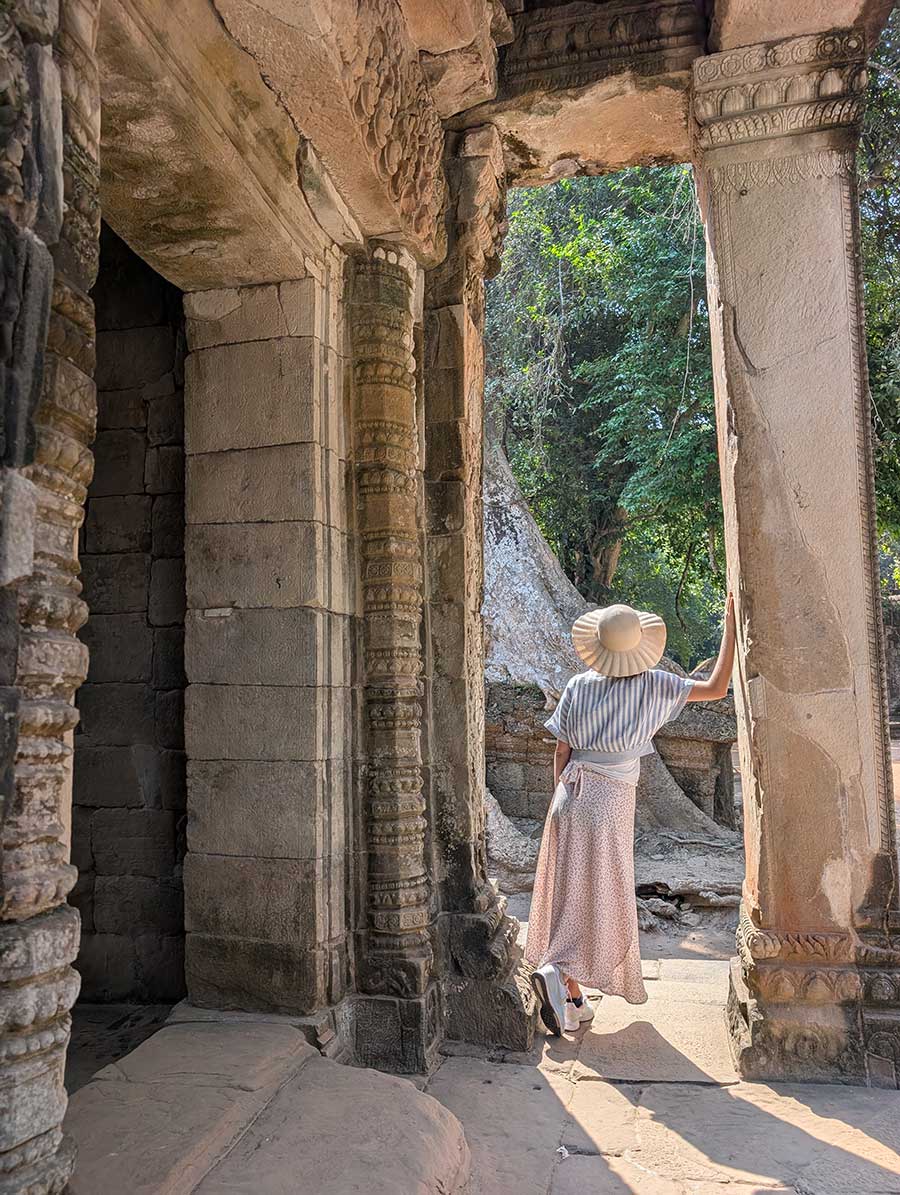
Footwear: Trainers Are Not Optional
This is not the place for sandals, slides, or fashion-forward footwear. Proper trainers or walking shoes are essential.
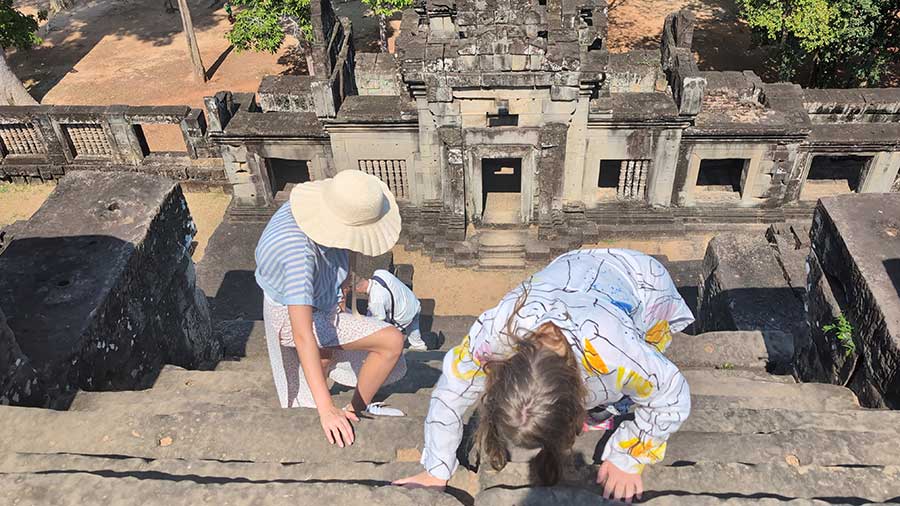
Many of the temple staircases are steep, narrow, uneven, and worn smooth by centuries of feet. Some steps are alarmingly high, others crumbling at the edges. Grip matters. Stability matters.
If you plan to climb temple towers—particularly Angkor Wat’s upper levels or temples like Pre Rup—you will be thankful for supportive shoes with good traction.
Sandals might seem tempting in the heat, but they will leave your feet exposed, unstable, and tired far too quickly.
A Note on Fitness and Health Conditions
It is important to be honest about physical limitations. If you have heart conditions, mobility issues, or are generally unfit, this can be a challenging trip.
The distances are large, the heat is intense, and the walking is often on uneven ground with little shade. Temple climbs are optional, but even without them, you should expect several hours of walking per day.
That does not mean Angkor is inaccessible—it simply means pacing is crucial. Many visitors underestimate how physically demanding it can be.
Consider visiting fewer temples at a slower pace, taking regular breaks, and staying well hydrated. There is no obligation to “do it all.”
Getting Around: The Wooden Tuk Tuk Experience
One of the most charming ways to explore Angkor is by wooden tuk tuk. These traditional vehicles are quieter and more atmospheric than modern alternatives and offer a wonderful sense of place.
A full-day hire typically costs around USD 15, which is excellent value considering the distances involved. Most drivers are knowledgeable, patient, and happy to wait while you explore temples at your own pace.
Agree on the price beforehand, bring small bills, and tip if the service is good—it goes a long way and is genuinely appreciated.
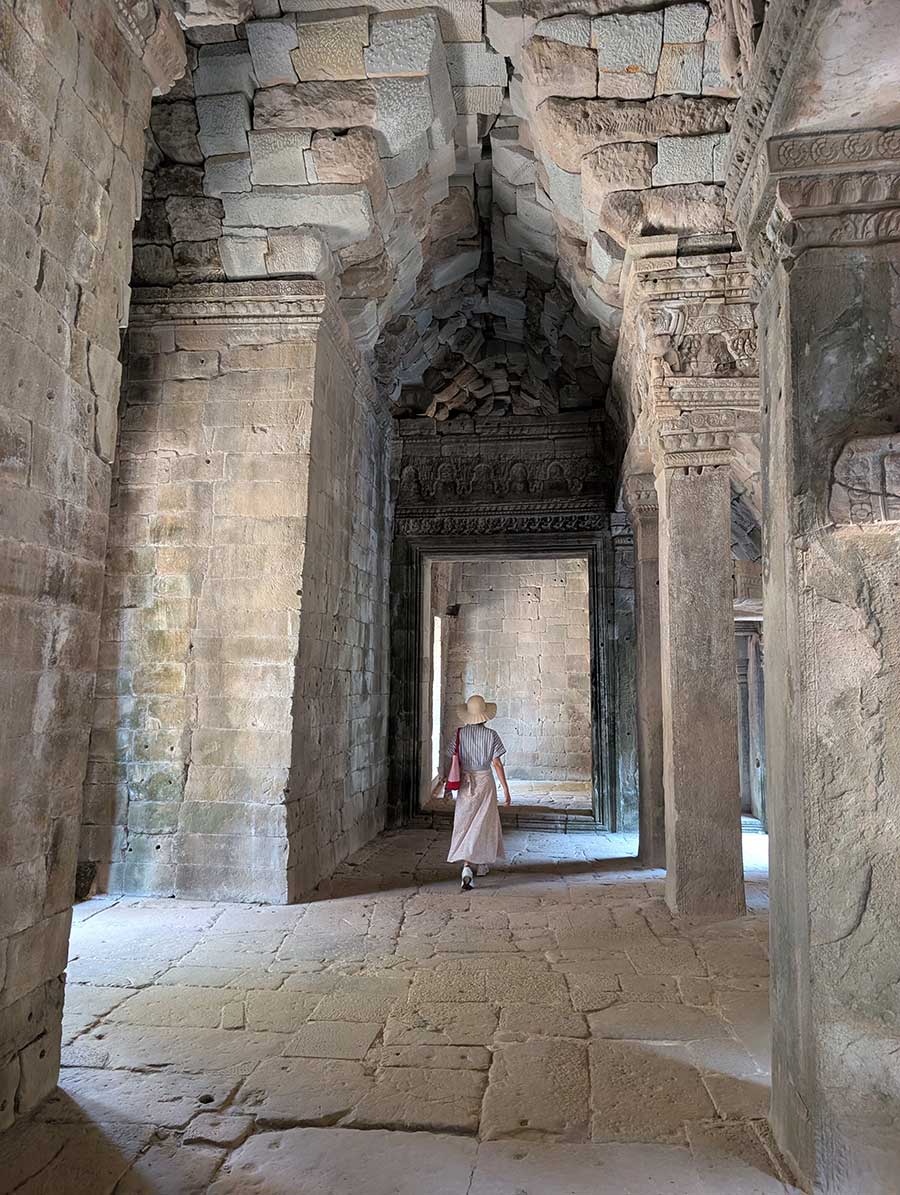
Why Visit the Temples of Angkor?
It’s a fair question, especially given the effort involved.
Angkor is not just one temple—it is an entire ancient city spread across jungle, water reservoirs, and forests. At its height, it was one of the largest urban centres in the world.
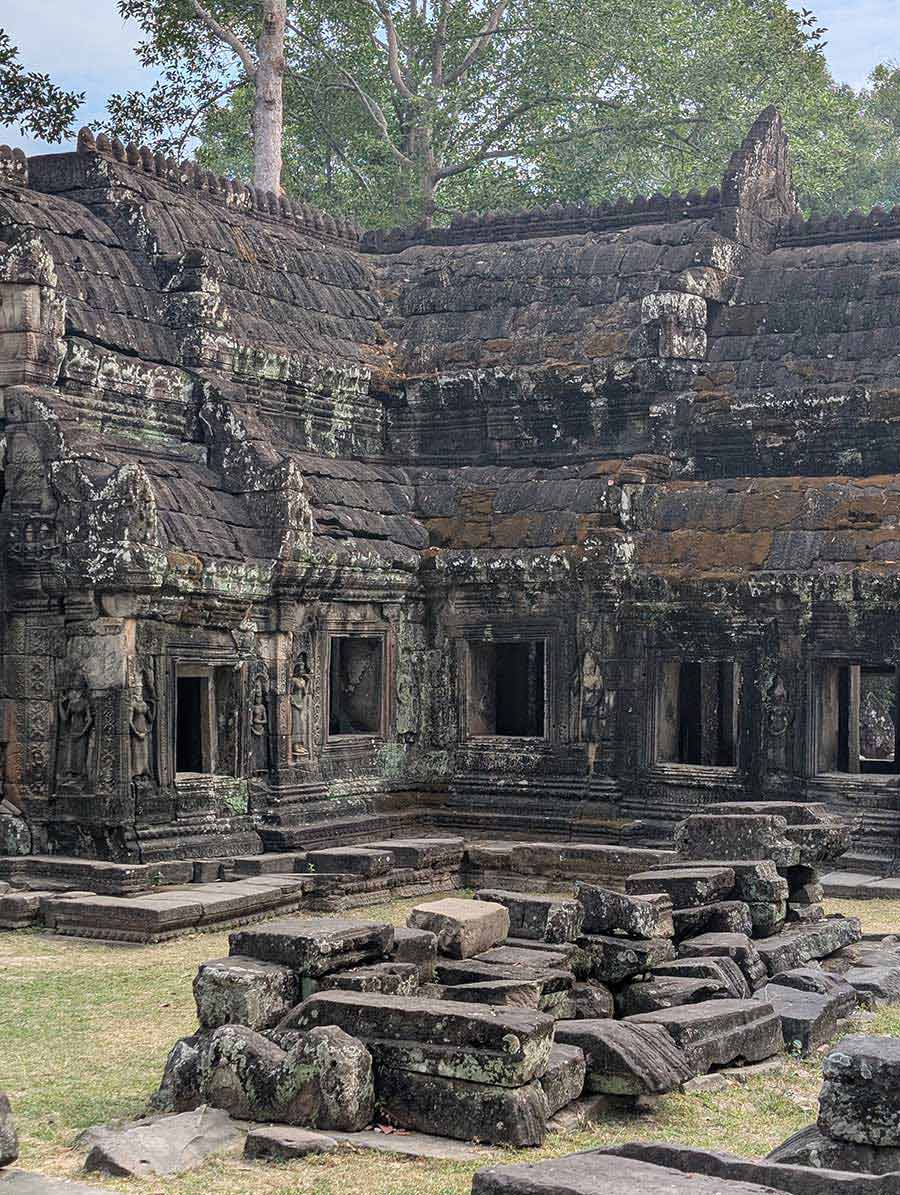
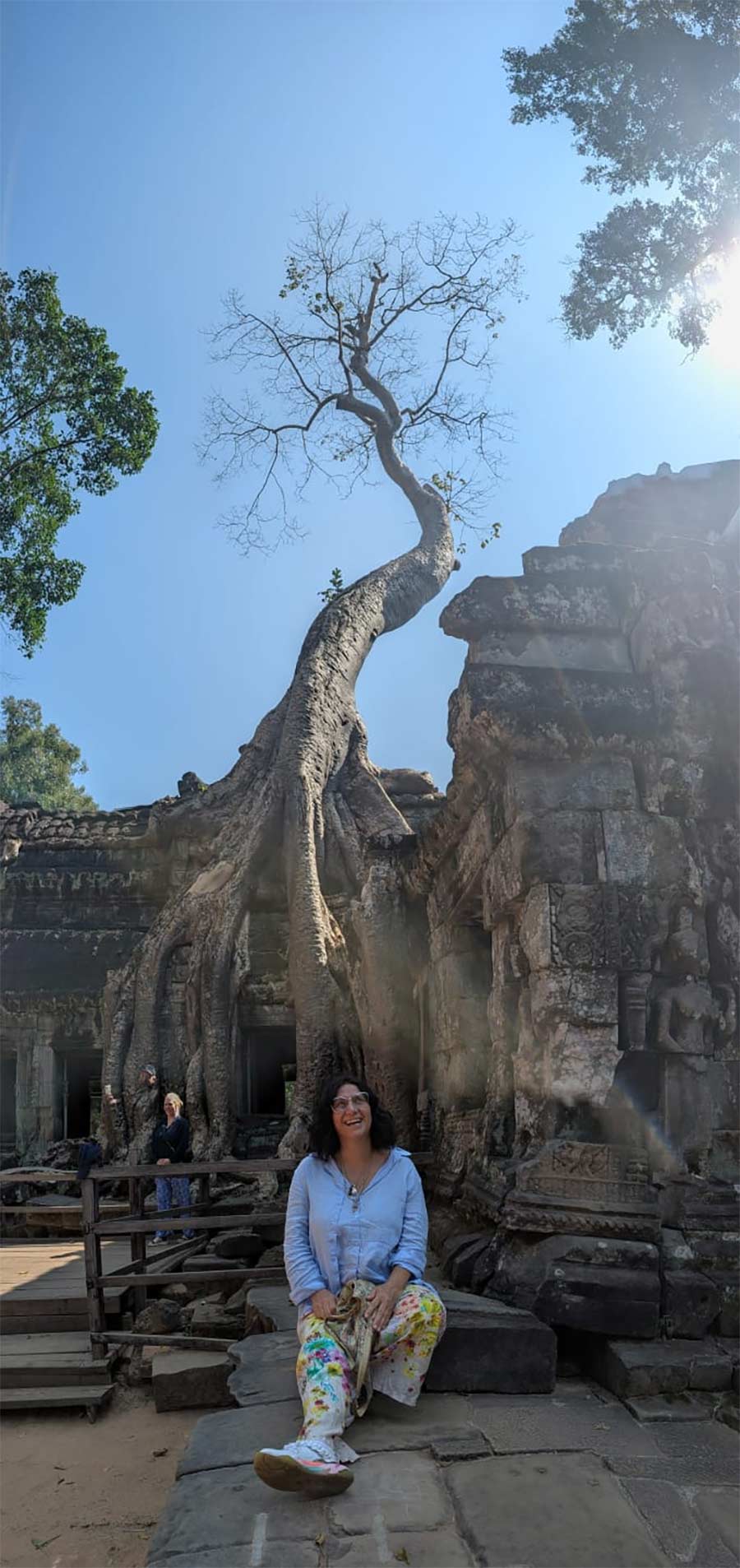
The scale is staggering. Angkor Wat alone is the largest religious monument ever built. Bayon’s stone faces feel almost unsettling in their calm intensity. Ta Prohm, left partially reclaimed by nature, offers a powerful reminder of time’s dominance over human ambition.
Beyond the architecture, there is a sense of continuity here. Monks still pray, incense still burns, and local families still live around these ancient stones. It is not a museum—it is living history.
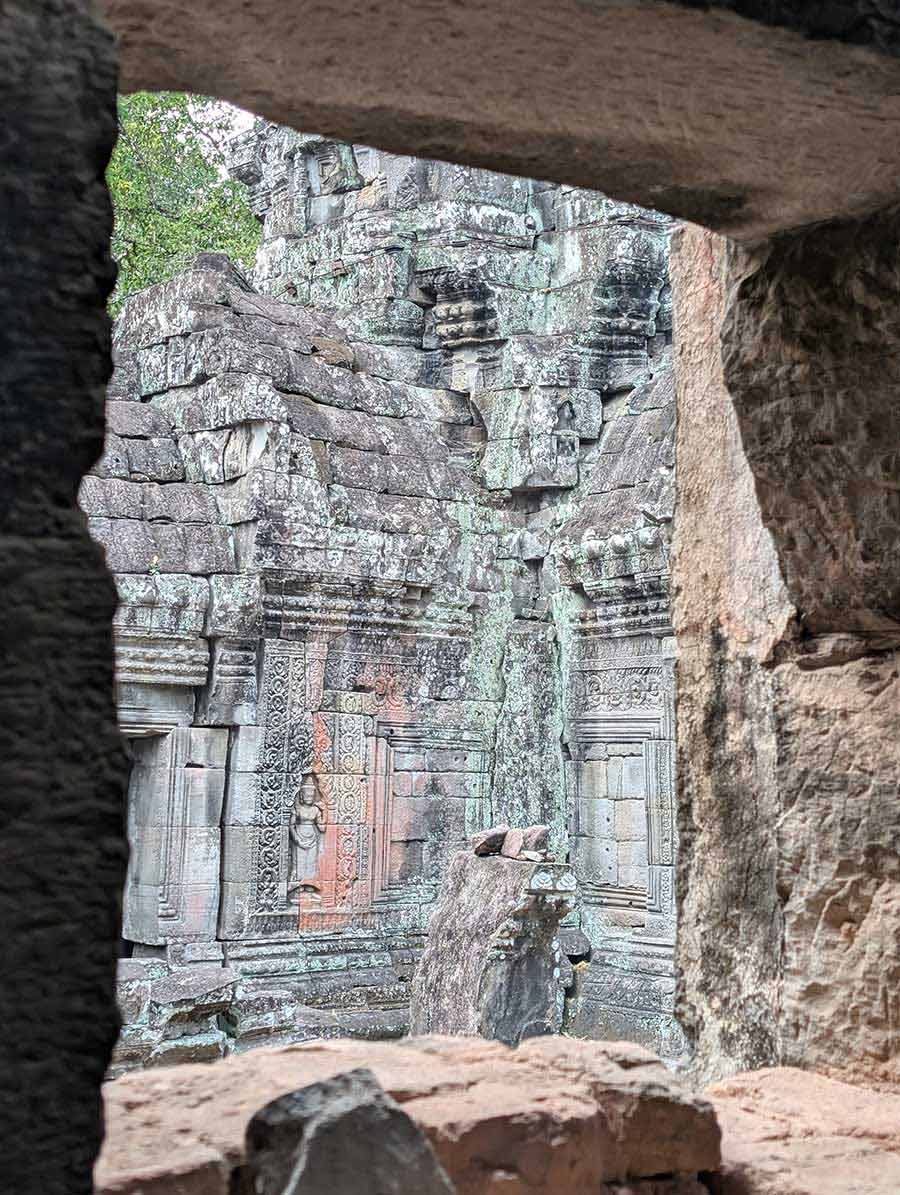
The Heat: What to Expect
Cambodia is hot year-round, but the heat at Angkor feels particularly intense due to open spaces, reflective stone surfaces, and limited shade.
Even in January, temperatures regularly reach the high 20s to low 30s Celsius. The difference is that January is dry heat, making it far more manageable than the humid months.
Expect to sweat. A lot.
Carry water at all times, wear a hat, and apply sunscreen repeatedly throughout the day. Early mornings and late afternoons are the most comfortable times to explore, which is why sunrise visits are so popular.
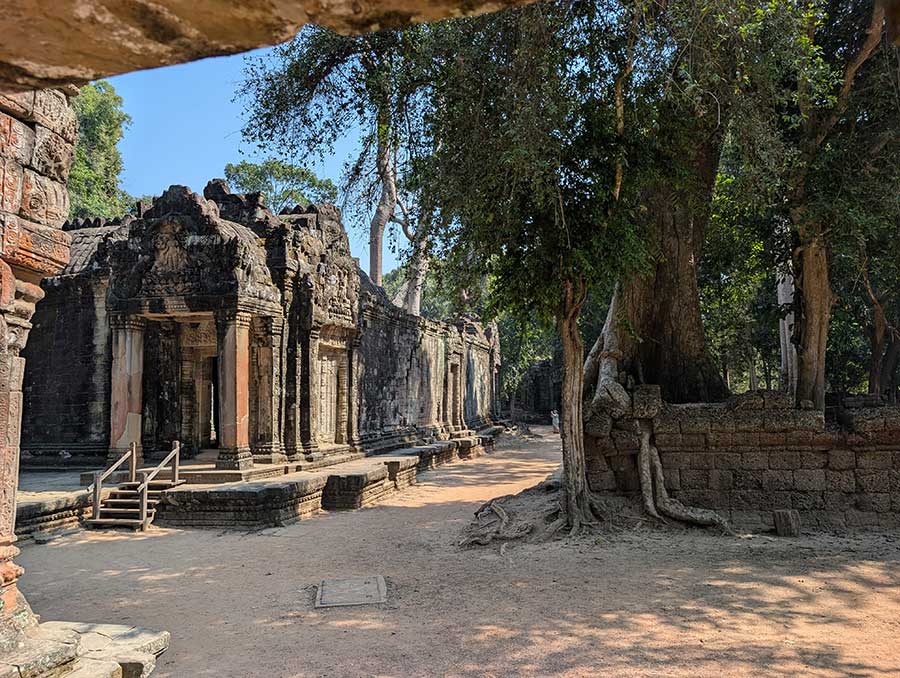
January: One of the Best Times to Visit
January is widely considered one of the best months to visit Siem Reap.
The weather is dry, the temperatures are relatively moderate, and the skies are often clear. It is peak season, so the temples will be busy, but with good planning, it never feels overwhelming.
An early start makes a huge difference. By midday, tour groups arrive en masse, and the heat becomes more draining. Starting early allows you to experience the temples at their most atmospheric.
Food: Surprisingly Excellent
Siem Reap’s food scene is far better than many first-time visitors expect.
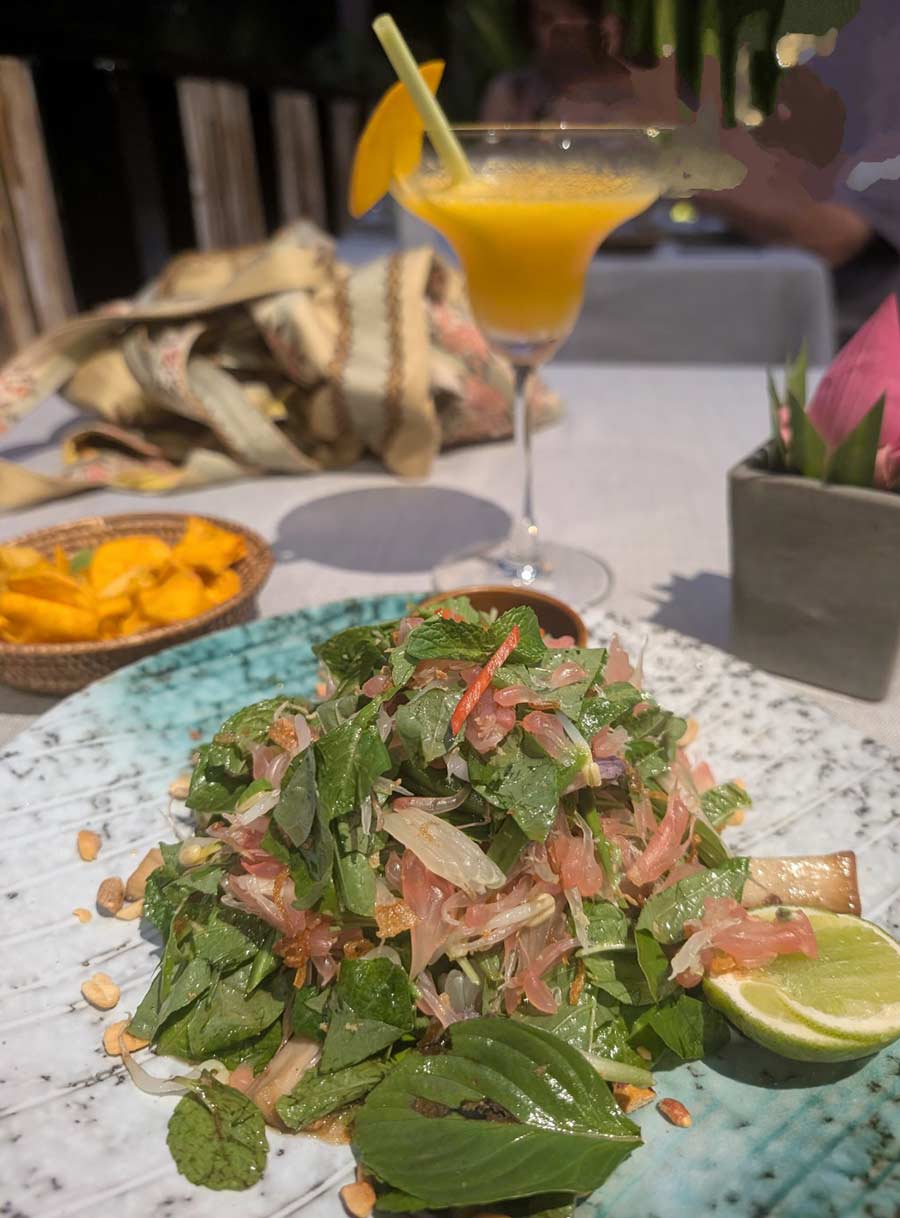
From traditional Khmer dishes like fish amok and beef lok lak to excellent French bakeries and refined international restaurants, the quality is consistently high.
Street food is plentiful and generally safe if you stick to busy vendors. Fresh fruit shakes, iced coffees, and light noodle dishes are perfect after long hours in the heat.
Dining here is relaxed, affordable, and genuinely enjoyable.
The People: Warm, Friendly, and Unassuming
Cambodians are among the friendliest people you will encounter in Southeast Asia. There is a quiet warmth and politeness that feels sincere rather than performative.
In Siem Reap, tourism is a major livelihood, but interactions rarely feel transactional. A smile goes a long way, and respectful behaviour is always returned in kind.
Accommodation: Something for Every Pace
Accommodation in Siem Reap ranges from budget guesthouses to exceptional boutique hotels and resorts.
The city itself is calm, leafy, and surprisingly peaceful. Even near the centre, it never feels chaotic or overwhelming. Many hotels are designed as retreats, offering pools, gardens, and shaded spaces to recover from temple days.
Choosing a quieter hotel slightly outside the centre can significantly enhance the experience.
Safety and Current Situation
Despite regional tensions elsewhere, Siem Reap has not been affected. The city is safe, calm, and welcoming.
Tourism continues as normal, and there is no sense of instability on the ground. As always, basic travel awareness applies, but visitors should feel comfortable exploring the city and temple complex.
Practicalities: Money and Transport
Bring US dollars in cash. They are widely accepted alongside the local riel, especially for tuk tuks, entrance tickets, and small purchases.
The airport is approximately one hour from the city, depending on traffic. Transfers are straightforward and affordable.
Final Thoughts
Siem Reap is not a passive destination. It asks something of you—physically, mentally, and emotionally. But what it gives back is extraordinary.
With the right clothing, realistic expectations, and respect for the environment and culture, visiting the temples of Angkor becomes one of those rare travel experiences that stays with you long after you leave.
It is challenging, yes—but profoundly worth it.










You must be logged in to post a comment.