

Fur is fashion’s most emotionally loaded material: to some it’s heritage and craft, to others it’s a hard no. That tension is exactly why fur never really “disappeared” — it just split into two lanes:
- Legacy houses that built their DNA on fur craftsmanship, and keep innovating it.
- An industry-wide move toward fur-free runways, retail and editorial, accelerating year by year.
Fendi sits right in the middle of that storm, and it’s not an accident.
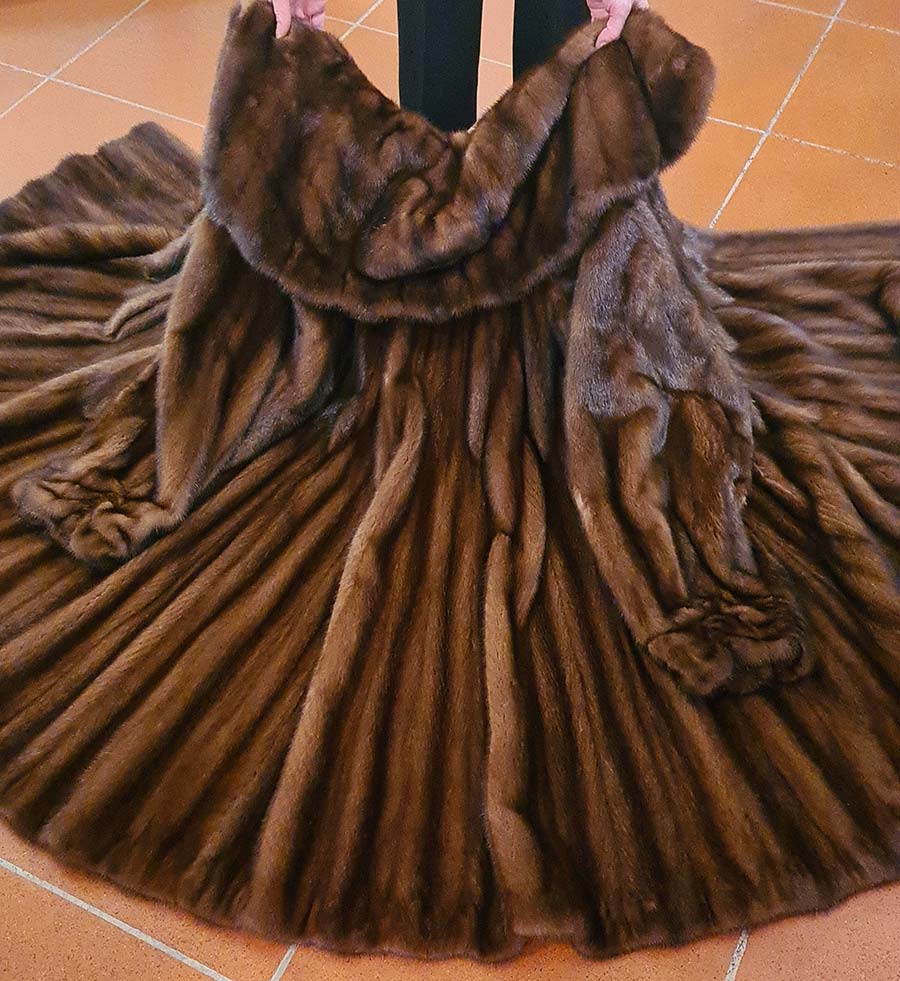
1) Fendi started as a fur workshop — it’s literally the origin story
Fendi’s own history page is blunt: the brand began in Rome in 1925 as a fur and leather goods workshop founded by Adele Casagrande and Edoardo Fendi.
That matters, because for a house like Fendi, dropping fur isn’t like removing a trend from the mood board — it would be removing the craft that built the company’s identity. Fendi even highlights that its Fur Atelier continues inside its HQ, positioning fur as a living discipline, not an archival chapter.
2) “We don’t do heavy fur anymore” is Fendi’s real answer
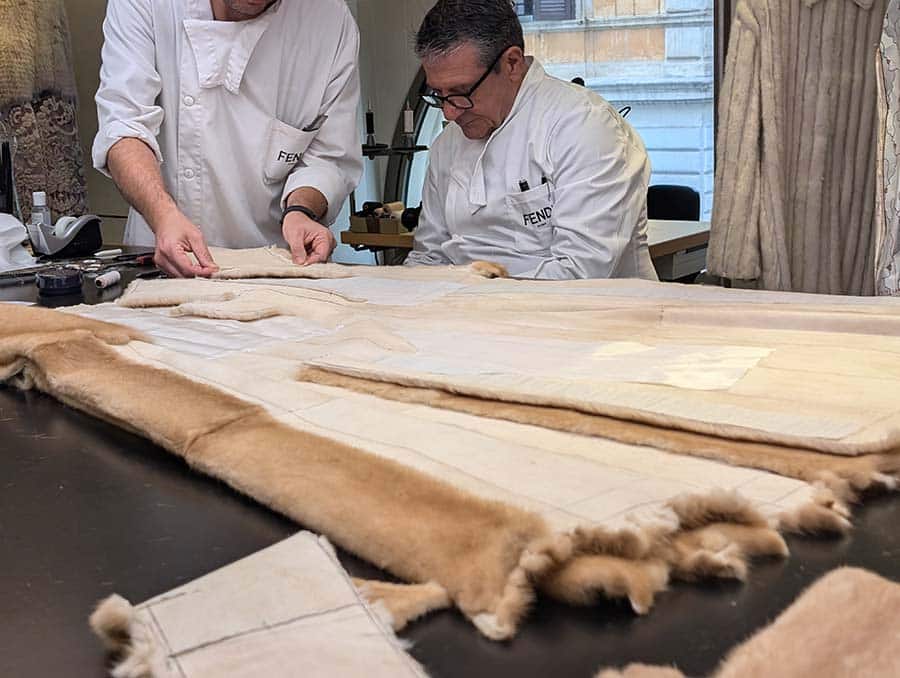
When people say “Fendi never ditched fur,” the modern version of that sentence is: Fendi keeps reframing fur as lightweight, engineered, and wearable beyond deep winter.
Their most famous example is Featherlike — a technique Fendi describes as thin strips of fur applied to a lightweight base, producing pieces that feel dramatically lighter and free from heavy linings.
That’s not a small detail. It’s the difference between fur as armour and fur as movement.
3) The wider industry is moving fur-free — and the pressure is real
While some luxury groups and fashion weeks go fur-free, others hold out. Business of Fashion has noted LVMH as one of the last big luxury holdouts on a group-wide fur ban — and Fendi’s historic role in fur is a big reason why that’s complicated.
And the policy landscape keeps shifting: the CFDA announced that starting September 2026, animal fur won’t be permitted on the Official NYFW Schedule (with specifics about what counts as prohibited).
So yes — fur is simultaneously heritage and increasingly restricted. That contradiction is the fashion reality now.
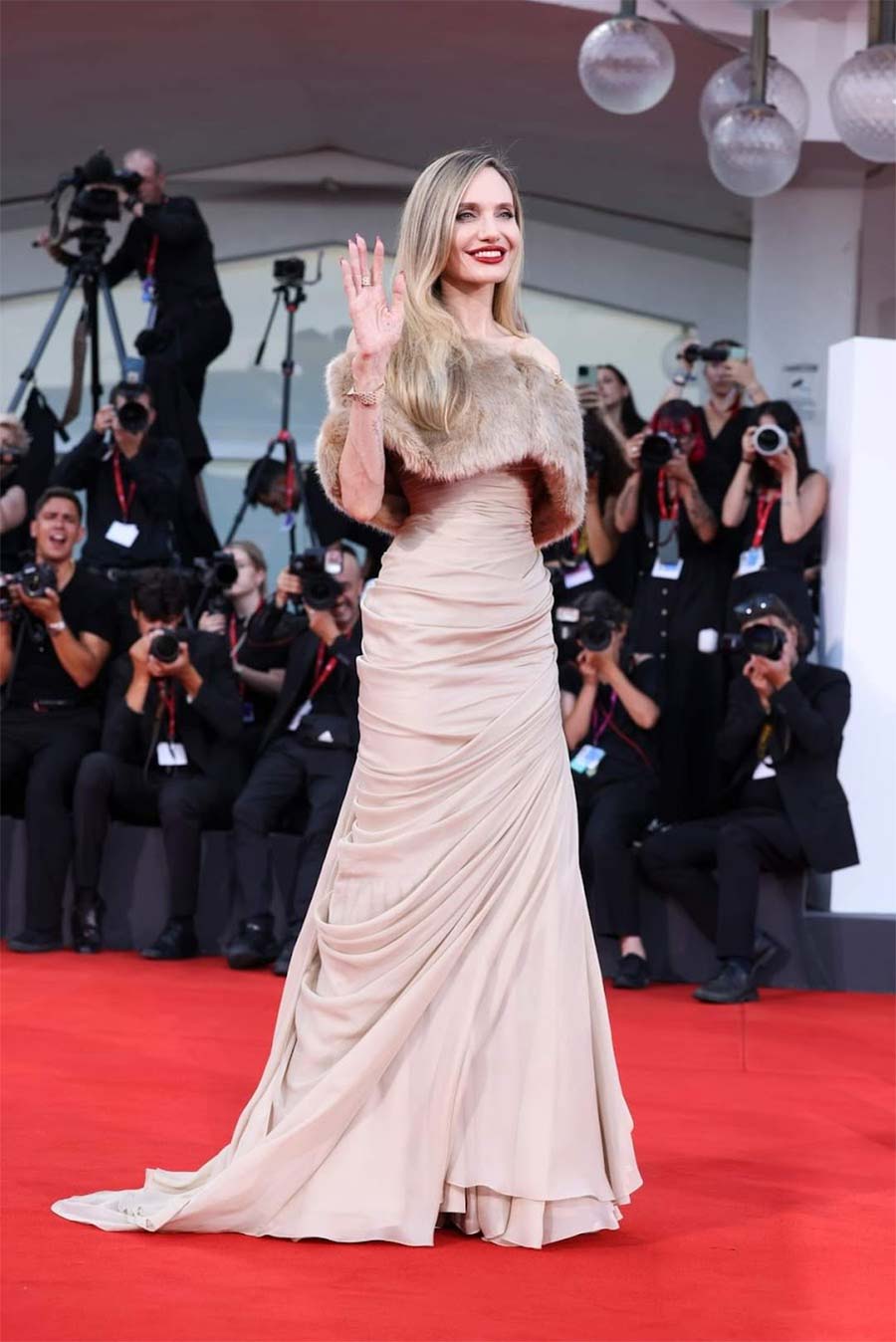
Vintage fur style tips (so you don’t look like you’re in costume)
If you’re wearing vintage — especially if you’ve already built an audience around fur on YouTube — the styling is what separates “collector energy” from “dress-up box.”
1) Modernise the silhouette first, not the colour
Vintage fur often leans: big collar, big shoulder, big length. Pick one statement element and streamline the rest.
- Oversized coat? Wear it open over a sharp column: black knit dress, slim trousers, straight-leg jeans.
- Cropped jacket? Go high-waisted and long-line below (wide-leg trousers, long skirt, tailored denim).
2) Make daytime fur look intentional
Daytime fur works when you style it like outerwear, not eveningwear.
- Clean knit, crisp shirt, minimal jewellery
- Sneakers or flat boots
- A structured tote instead of a tiny bag
3) Belt it like tailoring, not like glam
A belt instantly drags fur into “themed” territory if it’s shiny or fussy. Choose:
- Matte leather belt
- Same colour family as your base outfit
- Worn slightly loose, as if it’s a coat robe
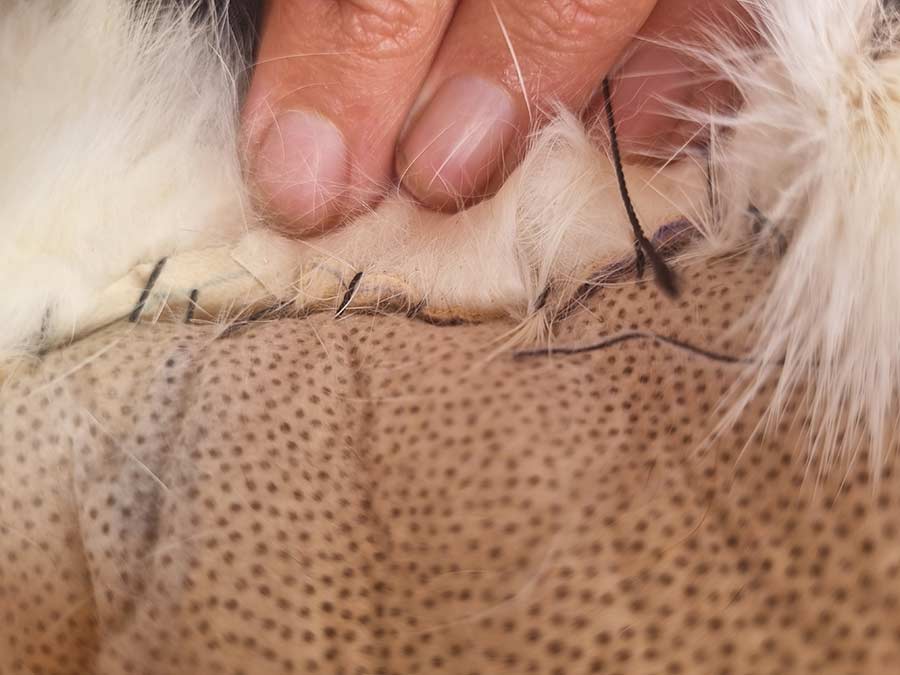
4) Lean into texture contrast
Fur looks expensive when it’s paired with things that feel real:
- Denim, cashmere, brushed wool, heavy cotton
Avoid pairing vintage fur with lots of satin, rhinestones, or overly “done” hair — it reads like a costume even if the piece is museum-grade.
5) Consider the “quiet-luxury” palette trick
If your fur is honey, chestnut, or dark mink, keep the outfit underneath in:
- Black, charcoal, cream, chocolate, navy
Let the fur be the only “pattern.”
How to make vintage fur lighter — the “Featherlike” mindset at home
You can’t replicate Fendi’s atelier-level engineering in your kitchen with scissors. But you can copy the principle: remove weight, reduce bulk, increase flexibility — without destroying the garment’s integrity. Italy still has experts who can upcyle your fur.
The Featherlike principle (in plain language)
Fendi’s Featherlike is described as thin fur strips applied to a lightweight base, creating pieces that are extremely light and not weighed down by heavy linings.
So your goal with vintage is similar: less lining, less structure, more breathable construction.
1) Re-line it (this is the biggest win)
Many vintage furs are heavy because the inside is built like upholstery: thick lining, stiff interfacing, bulky seams.
Ask a professional furrier about:
- Removing heavy linings and replacing with silk or lightweight viscose
- Reducing padding in shoulders
- Simplifying internal pockets (they add bulk fast)
This alone can make a coat feel like a different category of garment.
2) Convert a full coat into a lighter “core piece”
If you want wearability in warmer climates (or travel), conversions are gold:
- Coat → long gilet/vest (most versatile, layers over knits)
- Coat → collar + cuffs set (the most “modern” and easiest to style)
- Coat → stole/scarf (lightest option, and it photographs beautifully on camera)
3) Shorten strategically
A heavy hem pulls the whole coat down. Shortening can remove surprising weight.
Best modern lengths:
- mid-thigh (easy with denim)
- just below knee (elegant, not “matron”)
4) Add a “travel logic” closure
Heavy hooks and dramatic front closures can change how the coat sits (and how warm it feels). Consider:
- Minimal internal closures
- A soft tie belt
- Leaving it designed to be worn open
5) The “strip technique” option — only with a specialist
If you’re tempted by the true Featherlike vibe: talk to a specialist fur atelier/furrier about paneling or strip-work (fur reworked into lighter sections on a base). That’s skilled labour — but it’s the closest conceptual cousin to what Fendi describes. (Fendi)
Important: If the piece has collectible value, get advice first. Some alterations increase wearability but reduce resale value.
The 2026 reality check: vintage is the compromise lane (for many)
A lot of people who would never buy new fur still wear vintage. Even animal welfare organisations acknowledge that bans often target sales/production, while secondhand fur wearing remains legally allowed in many places — and it creates its own debate. (Humane World for Animals)
Meanwhile, runway policies keep tightening (NYFW from September 2026). (CFDA)
So if your audience is asking, “Is fur coming back?” the more honest answer is:
- Vintage fur is becoming more visible (styling, resale, archive culture).
- New fur is becoming more restricted and more contested, even as some heritage houses keep it in their craft vocabulary.
Closing: wear fur like an heirloom, not a headline
If you love fur — and you’ve already built your voice around it on YouTube — your edge is education: craftsmanship, styling, and responsible ownership. Fendi’s message isn’t “fur forever at any cost.” It’s “fur, but engineered.” Featherlight. Mobile. Modern. (Fendi)
Your vintage pieces can live in that same spirit: lighten the build, sharpen the styling, and treat each garment like a piece of fashion history you’re updating for the present.













You must be logged in to post a comment.