
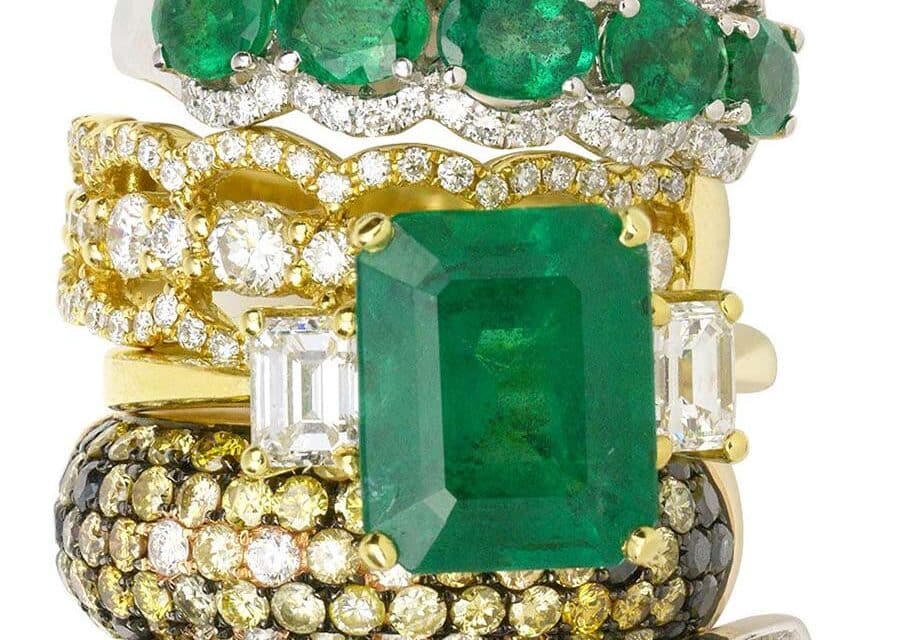
If someone hands you a ring, a necklace, a pair of earrings and whispers, “This piece is cursed…”—how on earth are you meant to know what to believe?
The case of Mariana Mijailovic, the so-called “shaman” now on Europe’s most-wanted list for scamming women out of millions with stories of “cursed” jewellery, is the perfect reminder that the real danger is almost never in the gold. It’s in the person holding the story. (The Telegraph)
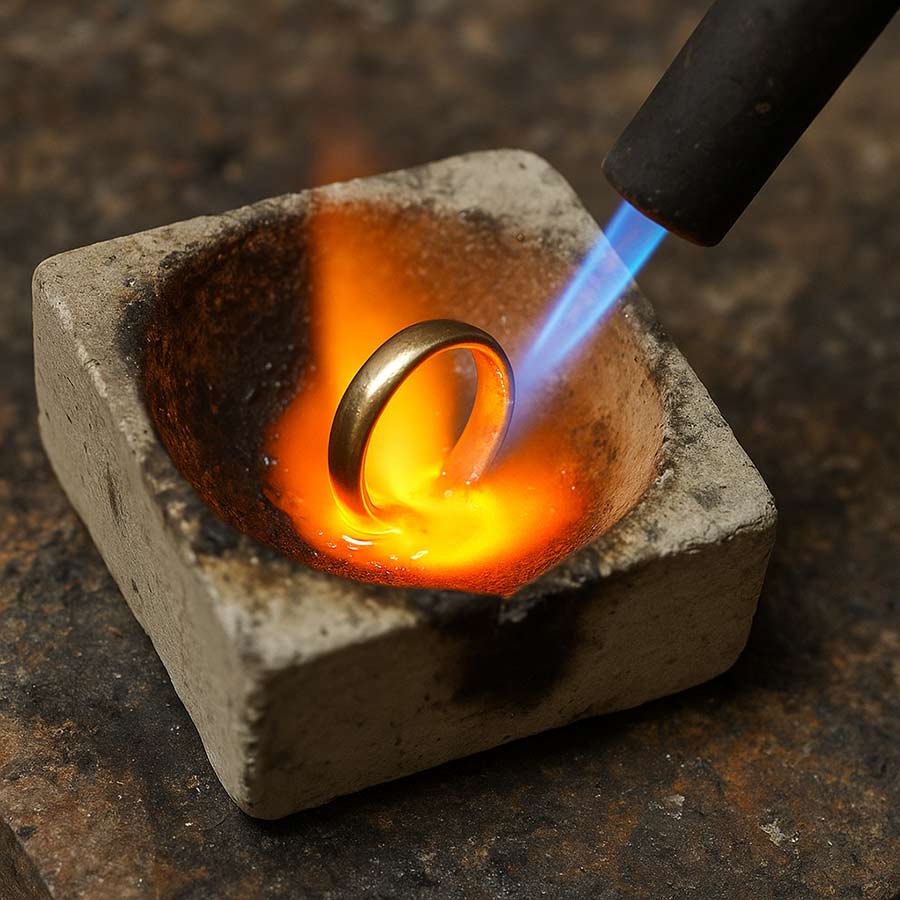
So, when jewellery is given to you—whether as a gift, an inheritance, or even with a warning attached—how do you know if it’s actually cursed, or if something else is going on? It’s why I am melting my rings because it’s time for a change.
Let’s be blunt: there is no scientific evidence that jewellery carries supernatural curses. But jewellery absolutely carries energy in the emotional sense: memories, stories, power plays, guilt, love, grief. That “curse” you feel might not be demons. It might be trauma, control, or your own intuition telling you something is off.
Here’s how to decode it.
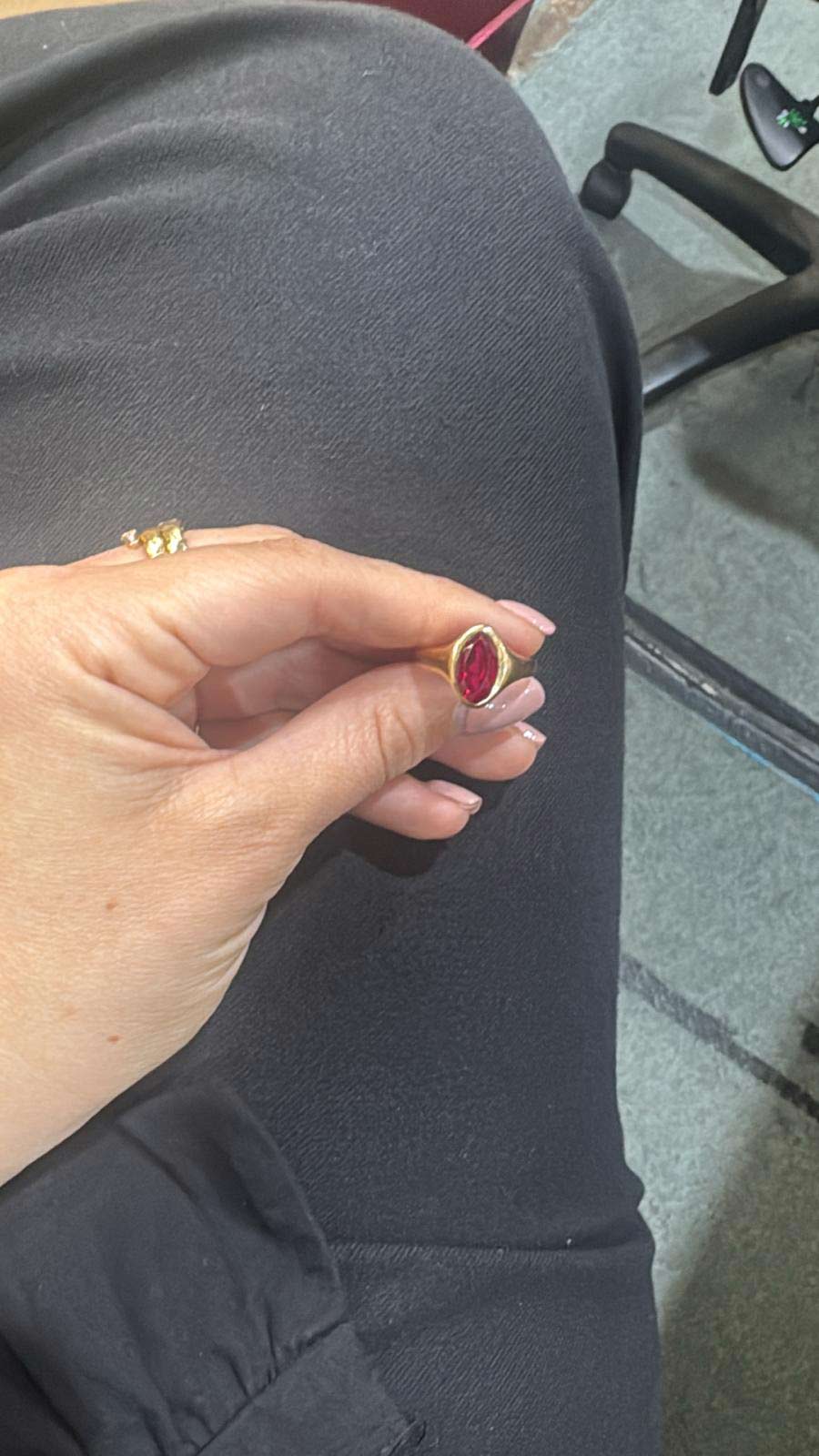
1. Start with the obvious: who is telling you it’s “cursed”?
If someone tells you your jewellery is cursed, look at them first, not the object.
Ask yourself:
- Did you feel something was wrong with it before they said anything?
- Are they approaching you out of nowhere, like on a street or in a café?
- Are they immediately offering a solution that involves:
- giving them the jewellery,
- paying them for a cleansing,
- or “temporarily” handing it over?
Mijailovic and her daughter-in-law targeted wealthy women in Munich and Vienna on the street, told them their jewellery was cursed, terrified them with visions of illness and accidents, then offered shamanic “cleansings” in exchange for jewellery and huge sums of cash. (The Telegraph)
That pattern is your first red flag:
Anyone who identifies a curse and offers the cure—especially for money or valuables—is not a spiritual guide. They’re a salesperson.
If someone really cared about your wellbeing, they’d:
- Suggest free things: meditation, prayer, therapy, speaking to family.
- Encourage second opinions.
- Not demand your jewellery, your cash, or your silence.

2. Fear is the business model
Notice the script:
- “Your jewellery is cursed.”
- “Your loved ones will get sick.”
- “You’ll have accidents.”
- “But if you just give me your jewellery / money, I can fix it.”
This isn’t mysticism; it’s classic coercive control.
They create:
- An invisible threat you can’t disprove.
- A time pressure (“you must do it now”).
- A single exit door that only they hold.
If you suddenly feel:
- panicked,
- frozen,
- terrified of something vague,
- and like only this person can save you…
That’s not a curse. That’s manipulation.
Any real healer, therapist, priest, counsellor, shaman—anyone legit—will calm your nervous system, not hijack it.
3. The emotional “curse” jewellery can really carry
Now, let’s talk about what jewellery can hold: emotional weight.
Sometimes a piece feels “wrong” not because of spirits, but because of its story:
- A ring from a partner who cheated.
- A necklace from a controlling parent.
- An heirloom from a relative who was abusive.
- A bracelet given in a moment of huge trauma—like a cancer diagnosis, a breakup, or a death.
When you wear it, your body remembers.
You might notice:
- Your mood drops every time you put it on.
- You feel angry, tight in your chest, or sad.
- You keep taking it off without really knowing why.
- You avoid looking at it in your jewellery box.
Is it cursed? No. But it might be symbolically toxic for you.
In that case, the power move isn’t an exorcism. It’s reclaiming the story:
- Melt it and redesign it.
- Sell it and use the money on something that supports your wellbeing.
- Gift it to someone else only if it doesn’t carry the same pain for them.
- Or keep it as a museum piece of your past, not a daily accessory.
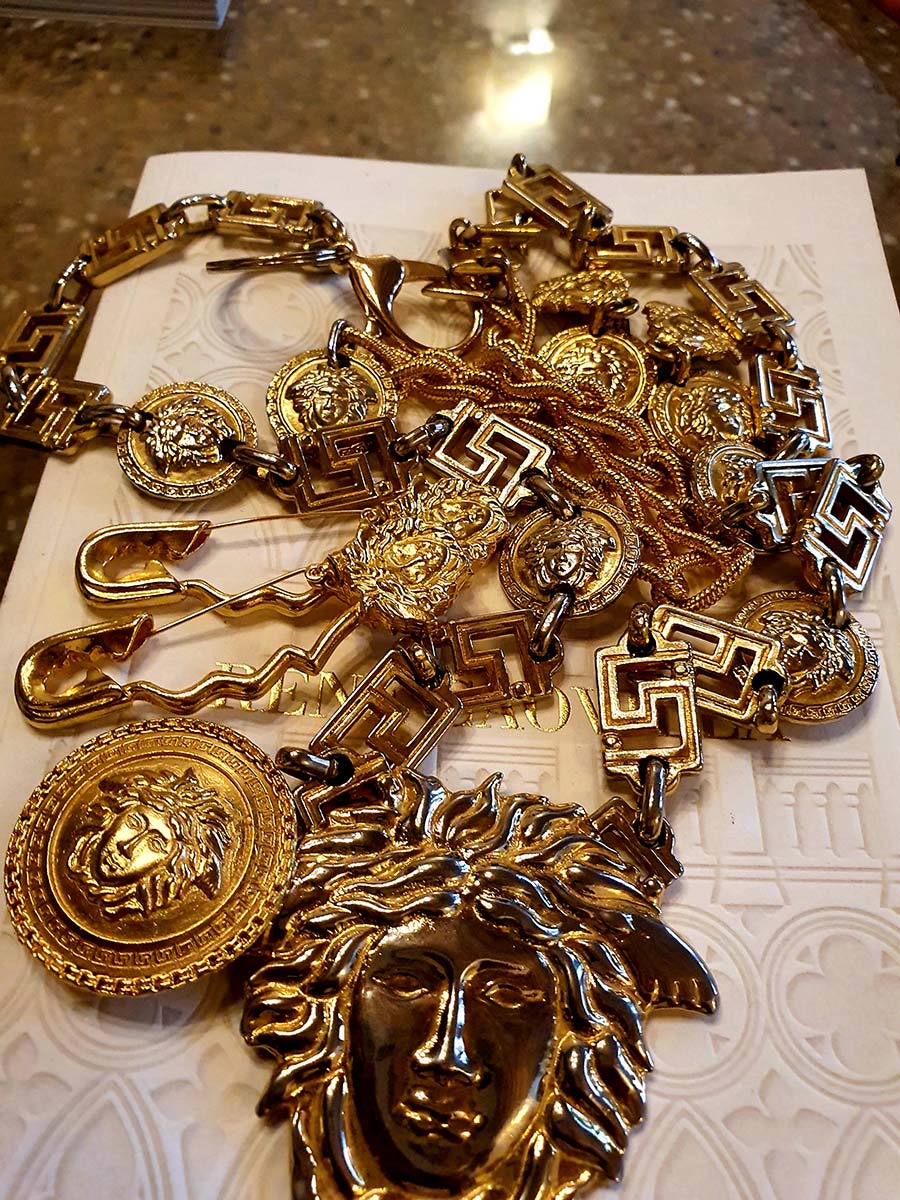
4. Gifts that feel “off”: trust your body more than the story
Sometimes the jewellery is brand new, given with a smile… and still something feels wrong.
Maybe:
- The gift is way too expensive and you feel indebted.
- It’s given after an argument to shut you up, not to make amends.
- It’s from someone you don’t trust, who suddenly seems overly generous.
- It comes with strings: “If you wear this, you’ll show me you love me.”
That’s not a curse. That’s emotional leverage disguised as sparkle.
Ask yourself:
- How do I feel when I wear it? Expansive, happy, seen? Or small, guilty, controlled?
- If I said “no thank you” or chose not to wear it, what happens?
- A healthy giver might be a bit disappointed but will respect your choice.
- A manipulative giver will sulk, guilt-trip, or punish you.
Jewellery given as a tool of control can carry a heavy “curse” in your life: the curse of obligation. And you are absolutely allowed to refuse that.
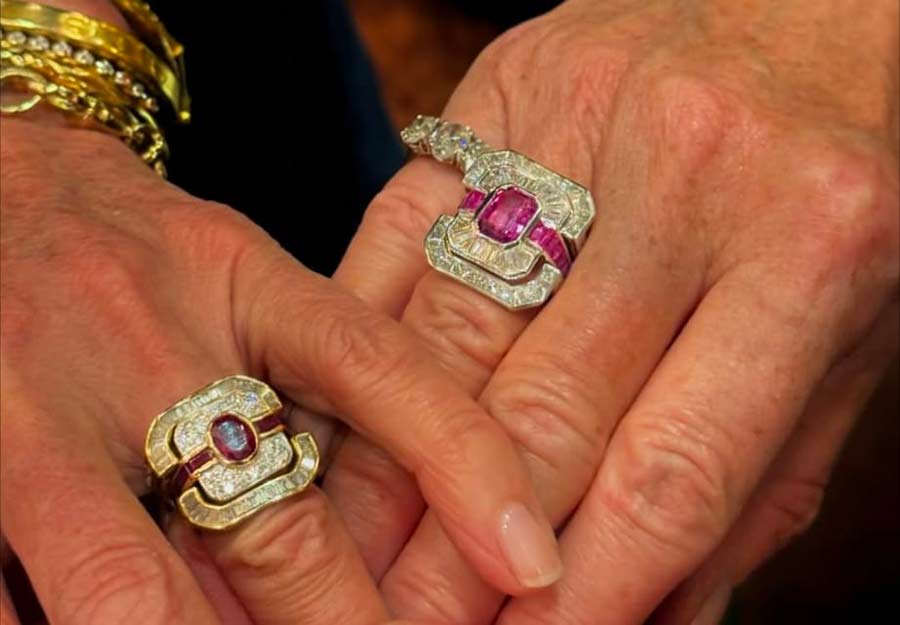
5. Inheritance, grief and “family curses”
Family jewellery can be complicated.
You might inherit:
- A grandmother’s ring from a miserable marriage.
- A watch from a father who was never present.
- Rosary beads, medals or religious pieces tied to guilt and shame.
People will say things like:
- “This has been in the family for generations; you have to keep it.”
- “If you let this go, you’re betraying your ancestors.”
- “This ring is your duty now.”
Now you’re not just holding metal; you’re holding expectation.
Here’s the truth:
- You can honour your ancestors without wearing their pain.
- You are not cursed if you don’t keep every object they touched.
- Breaking unhealthy family patterns sometimes starts with saying:
“I honour where this came from, but I choose a different story.”
Maybe you keep one piece and redesign it into something that reflects you. Maybe you sell it and use the funds for therapy, travel, or a fresh start. That’s not bad luck. That’s healing.
6. Practical red flags: when you should seriously walk away
If someone claims jewellery is cursed and any of these appear, treat it as a scam and get away:
- They approached you in public and initiated the conversation.
- They:
- Ask you not to tell anyone,
- Tell you your family “won’t understand”,
- Or insist this must be kept “secret”.
- They ask to:
- Take the jewellery away for a ritual,
- Store it for you,
- Or swap it for “clean” pieces.
- They talk in absolutes:
“If you don’t do this, you will get sick / die / lose everything.” - They pressure you to decide immediately:
- “You must do the ritual today.”
- “The spirits are only open now.”
- Money, gold, diamonds start entering the conversation as “offerings”.
That’s when you treat it like any other crime:
- Say no firmly.
- Walk away, seek a safer, busier place.
- If you can, take note of what they look like.
- Report it to local police or fraud hotlines—especially if they’ve already taken something.
7. How to “uncurse” jewellery in a grounded way
If a piece of jewellery genuinely feels heavy, here are ways to “cleanse” it that don’t involve handing it to a stranger:
1. Emotional cleansing
- Sit with the piece and journal what it represents.
- Ask yourself: “Do I really want this story around my neck?”
- Decide if it’s staying, being redesigned, sold, or donated.
2. Symbolic cleansing
If ritual matters to you (for spiritual, religious, or purely symbolic reasons), do it on your terms:
- Clean it physically: warm water, mild soap (if safe for the material).
- Place it in sunlight or moonlight as a symbolic reset.
- Say a blessing, prayer, or intention over it:
- “I release any pain attached to this piece and claim it in my own name.”
The power is not in the salt, the smoke, or the moon. It’s in you choosing the meaning.
3. Professional but ethical help
If the jewellery is tied to deep trauma, it may help to:
- Talk to a therapist about why it feels so loaded.
- Work with a coach or counselor around letting go.
- Speak with a trusted religious or spiritual leader who doesn’t ask for your valuables, only offers support.
8. The real question: is the jewellery cursed, or is the dynamic cursed?
When jewellery is given to you, the better question isn’t:
“Is this object cursed?”
It’s:
“What story comes attached to this, and do I consent to carrying that story?”
- A ring from a partner who loves you, respects you, and shows up for you is never cursed, no matter what your mother-in-law mutters under her breath.
- A necklace given to silence you after abuse is cursed by behaviour, not by metal.
- An heirloom tied to generations of women suffering in silence might feel cursed until you decide to change what it stands for.
You get to:
- Reject gifts that don’t feel good.
- Redesign heirlooms into something that reflects your power now.
- Refuse to hand over your jewellery to anyone who trades in fear.
So how do you know if it’s cursed?
You don’t.
You know if it’s honest, loving, manipulative, or heavy.
The gold doesn’t lie.
The person giving it to you and the way your body reacts—that’s where the truth is.
If someone says, “This is cursed, but I can fix it for a price,” walk away.
If your heart says, “This doesn’t feel like me anymore,” listen to that.
In the end, the most powerful “curse-breaker” isn’t a shaman under a swimming pool.
It’s you, choosing which stories you allow to sit on your skin.










You must be logged in to post a comment.