
Istanbul is one of the most seductive cities in the world. It does not whisper. It shouts in colour, history, spice, gold, tiles, carpets, mosques, cats, ferry horns, leather jackets, street sellers and the smell of grilled meat drifting through narrow lanes. This is a city built on trade. East meets West is the lazy phrase, but in Istanbul it is not a slogan. It is pavement, sweat, bargaining, silk, tea, gold and leather.
But walking through the markets today, I felt something uncomfortable. Istanbul, in some corners, has sold too much of its soul to the dupe.
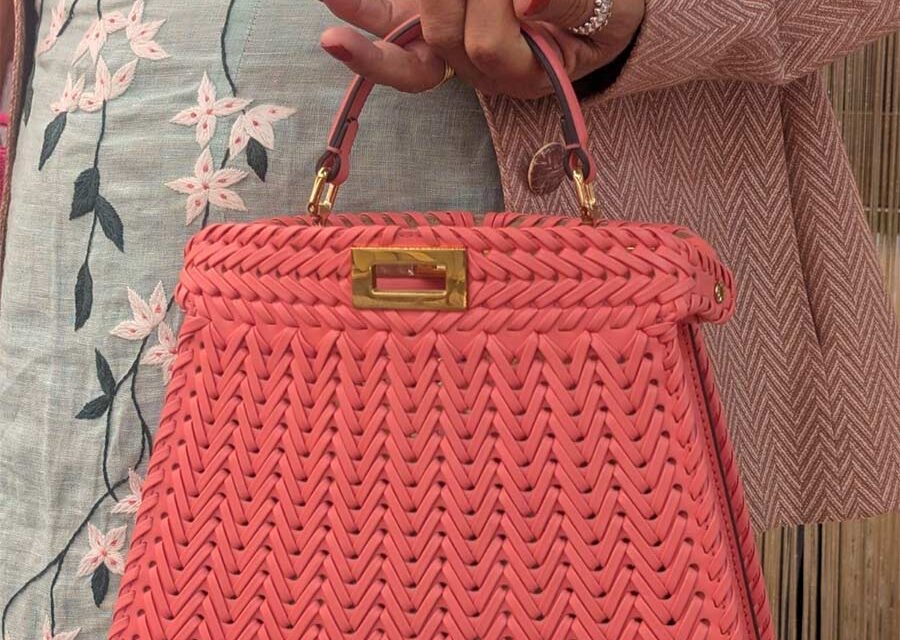
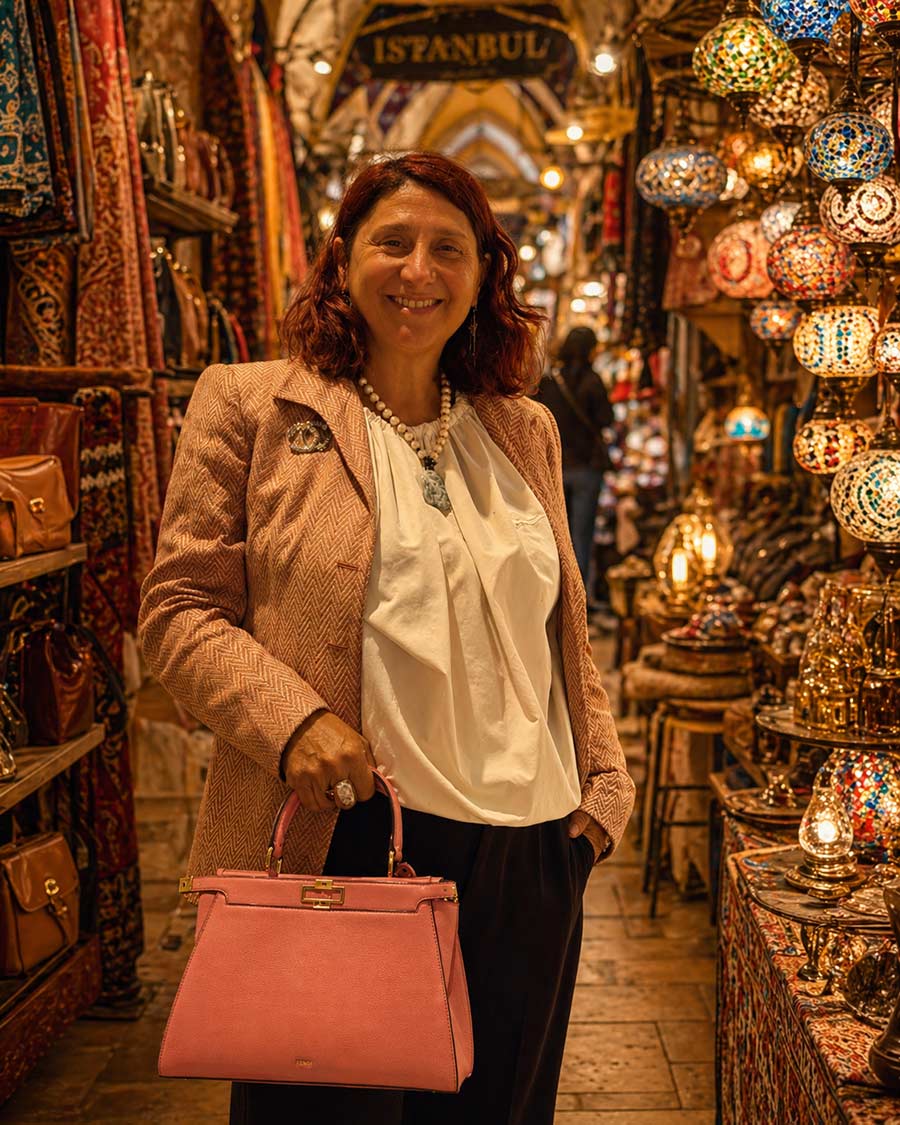
The dupe. The fake. The “same same” bag. The pink Fendi Peekaboo that is not Fendi. The Chanel that never saw Paris. The Dior that never met a French atelier. The Prada stitched for tourists who want the logo without the story.
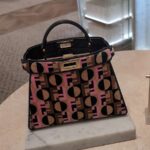
I was quoted €220, then €500, for a fake pink leather Fendi-style bag. Not a real Fendi. Not vintage. Not authenticated. Not an artisan interpretation. A counterfeit. A pretend luxury object being sold at a price that insults both the buyer and the craft of Istanbul.
That is not fashion. That is tourist pricing theatre.
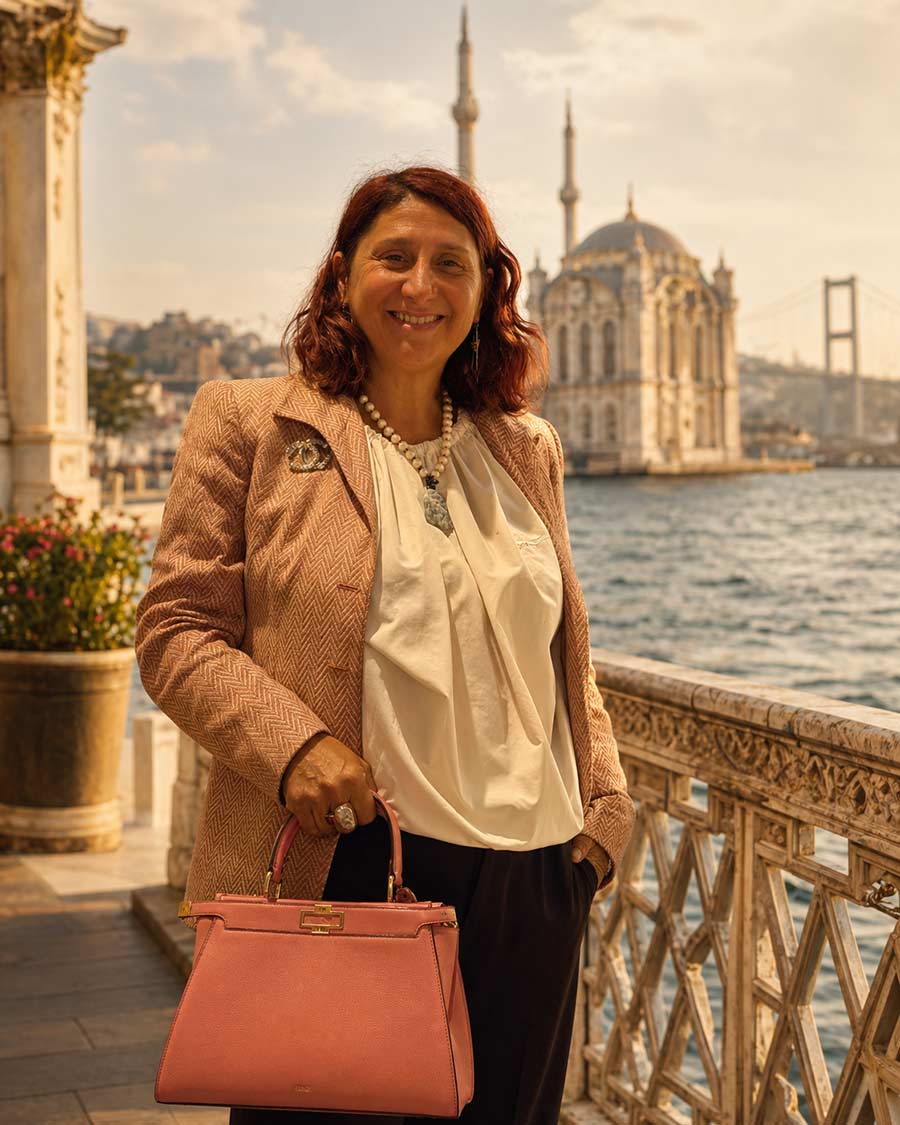
AI generated. I didn’t buy the fake.
What makes it sadder is that Istanbul does not need fake Fendi. Istanbul has real leather. Excellent leather. Leather with weight, smell, grain, patience and attitude. Leather that often feels far superior to much of what I have seen across Asia, where too often bags are bonded, corrected, plastic-coated, over-processed or designed only to look good under artificial shop lighting.
In Istanbul, when the leather is good, you know it immediately. You touch it, and it pushes back. It has a body. It has warmth. It bends, but it does not collapse. It smells like a workshop, not a chemical warehouse. There is a reason Türkiye has a long reputation for leather, jackets, shoes, bags and hides. This is not new craftsmanship. This is a generational skill.
So why is such a proud leather city lowering itself to fake logos?
Because tourists are easy.
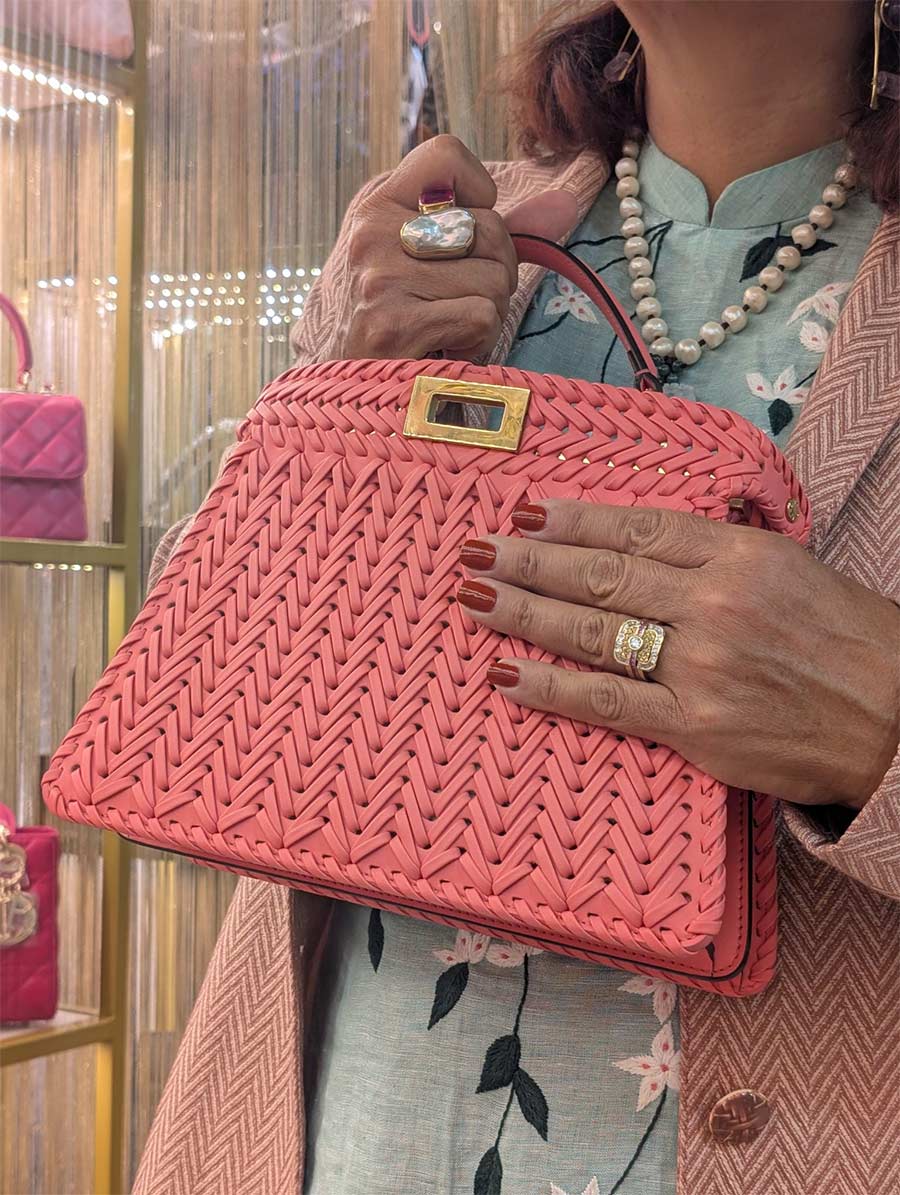
That is the brutal truth. Many visitors arrive wanting a story they can wear. They want to go home and say, “I bought this in Istanbul.” But instead of buying Istanbul, they buy a fake version of Milan or Paris. They buy a counterfeit logo that has nothing to do with Turkish identity, Turkish leatherwork or Turkish design. They walk past real craft to chase a badge.
And sellers know this. They know the psychology. They know that luxury houses have trained the world to worship logos. They know a woman sees “Fendi” and emotionally compares the fake price to the real boutique price. Suddenly €220 sounds like a bargain because the real one is thousands.
Then €500 is presented as “best quality,” “real leather,” “mirror copy,” “same factory,” “top grade.”
But this is where the scam becomes clever. The seller is not just selling a bag. He is selling the fantasy of beating the luxury system.
Except you do not beat the system by overpaying for fake.
You lose twice.
Paying Too Much
First, you pay too much for something with no authenticity, no warranty, no resale value and no honest origin. Second, you miss the chance to buy something genuinely beautiful from a Turkish leather maker who could have sold you an original bag, jacket or belt with real soul.
And Istanbul has soul. That is why this matters.
A city like Istanbul should not be reduced to backroom fake designer bags. This is a city of makers. The Grand Bazaar, the side streets, the ateliers, the small leather shops, the craftsmen who can alter, cut, stitch and repair — that is where the magic is. That is where style lives.
The irony is that the fake bag may copy a European luxury shape, but the better material may well be Turkish. This is the tragedy.
The leather itself might be good, even excellent, but it is wasted on pretending to be something else.
Imagine that pink leather made into a Turkish-designed handbag with no fake logo. Imagine a bold clasp, an Ottoman-inspired lining, a modern Istanbul shape, a colour story taken from tulips, tiles, sunsets over the Bosphorus, or the pink flowers spilling from balconies in old neighbourhoods. That would be worth paying for. That would be style. That would be a travel memory.
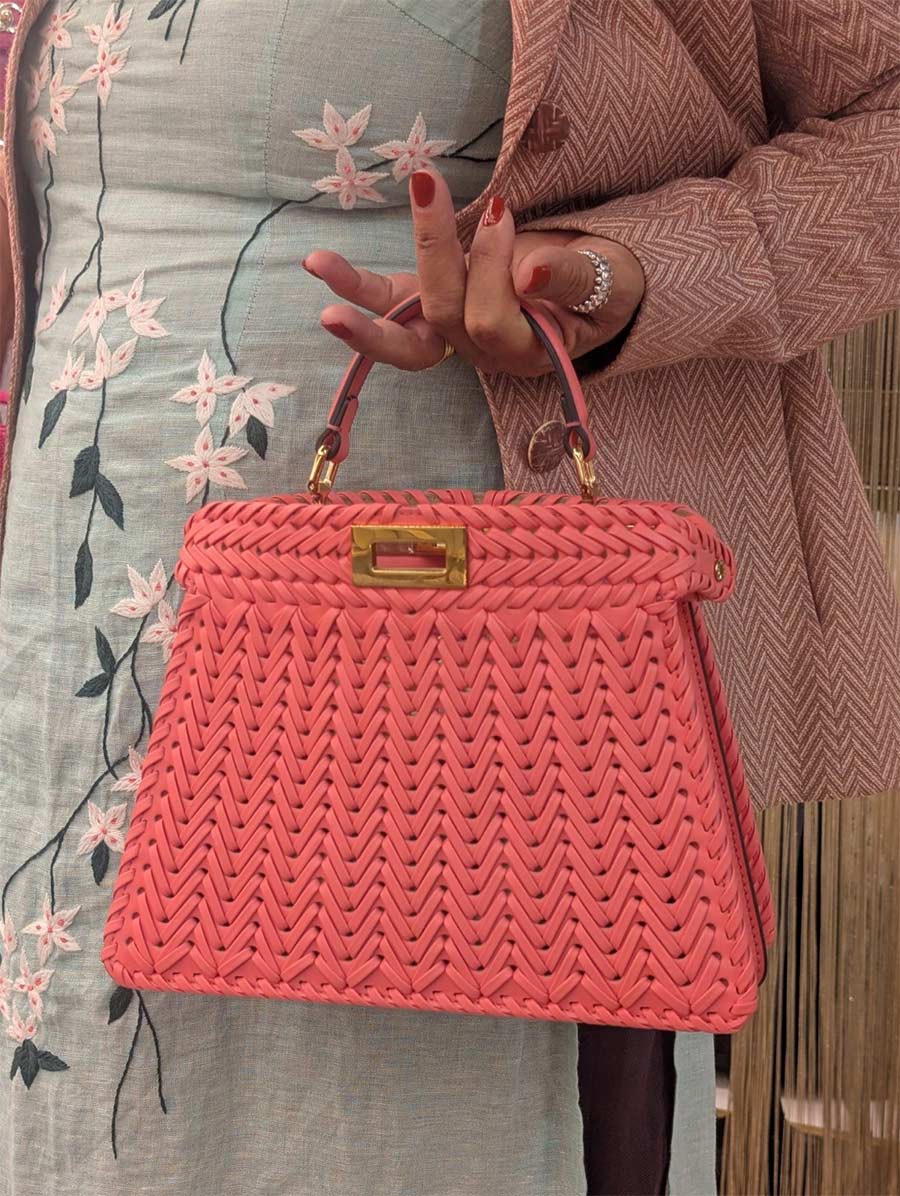
Instead, it becomes a fake Fendi
This is why the dupe culture is so damaging. It does not only cheat luxury brands. That is the least interesting part of the story. It cheats the destination. It flattens local identity. It tells tourists that Istanbul is only valuable when it imitates Europe. That is offensive to a city that has dressed empires.
For me, responsible travel is not just about avoiding plastic bottles or choosing local restaurants. It is also about asking: what economy am I supporting with my money?
When I buy a fake designer bag, I am not supporting Turkish creativity. I am supporting a shadow market built on imitation. I am rewarding the seller who hides the real value of local craft behind someone else’s logo. I am telling Istanbul that its own name is not enough.
But Istanbul’s name is enough.
I would rather carry a no-logo Turkish leather bag with stunning stitching than a fake Fendi that makes me feel nervous at customs. I would rather say, “This was made in Istanbul,” than pretend, “This is Fendi.” I would rather pay for originality than embarrassment.
The quality gap is important too. Across Asia, I have seen plenty of markets filled with bags that look good for five minutes and fall apart after five months. Shiny hardware, stiff handles, fake grain, poor glue, thin lining, plastic smell. It photographs well but ages badly.
In Istanbul, when you find proper leather, the difference is immediate. The hides are more substantial. The finish is more convincing. The jackets especially can be excellent. The leather has structure and sensuality. It has that old-world masculine-feminine energy: biker, traveller, poet, merchant, rebel. You can imagine it softening with age, not peeling with humidity.
This Is Why Istanbu Should Be Proud, Not Desperate
A fake luxury bag says, “I want to be seen as rich.”
A real Turkish leather piece says, “I know quality when I touch it.”
There is a big difference.
The pink Fendi-style bag I saw could have been a moment. The colour was fun. Pink leather always speaks to me because it refuses to be boring. It is feminine but not weak. It can be playful, powerful, even rebellious. But the fake logo killed it. The price killed it again. At €220, I was already suspicious. At €500, I nearly laughed.
€500 for fake is not a bargain. It is a performance.
And Istanbul performs very well. The tea comes out. The compliments begin.
“Madam, this is best quality.” “This is real leather.” “This is not cheap copy.” “For you, special price.”
The theatre is part of the city, and I respect the art of bargaining. But there must be a line between lively trade and taking tourists for fools.
For travellers, the answer is simple: stop rewarding the fake economy.
Ask For Turkey Brand
Ask for Turkish brands. Ask who made the bag. Ask where the leather comes from. Look at the stitching. Smell the leather. Check the lining. Feel the handles. Ignore the logo. The less branding, the better. If the bag needs a fake name to justify the price, it is already weak.
For Istanbul sellers, the opportunity is even bigger: stop hiding behind Europe. Build your own leather identity. Tourists are changing. Many of us are tired of fake luxury. We want stories, makers, craft, transparency and individuality. We want pieces no one else has. We want the city in the object.
That is where Istanbul can win.
Because the leather is there. The skill is there. The colour is there. The market energy is there. The history is there. What is missing is confidence.
Istanbul does not need to be a fake Fendi city. It can be a Turkish leather capital with its own voice.
So no, I did not buy the pink fake Fendi. Not for €220. Certainly not for €500.
Istanbul nearly tempted me with colour, leather and theatre. But the dupe ruined the romance.
The real treasure is not the fake logo behind the curtain. The real treasure is the honest leather waiting for someone brave enough to carry Istanbul, not imitation Paris, on their arm.









You must be logged in to post a comment.