
Why Fendi Never Ditched Fur (and Why “Featherlike” Changes the Conversation)
Plenty of luxury houses have gone fur-free. Fendi didn’t. Instead, it doubled down on a very Roman point of view: fur isn’t a trend to drop when the mood changes — it’s a craft, an identity, and (in Fendi’s mind) a material that can be engineered, certified, and even reworked like a jewel.
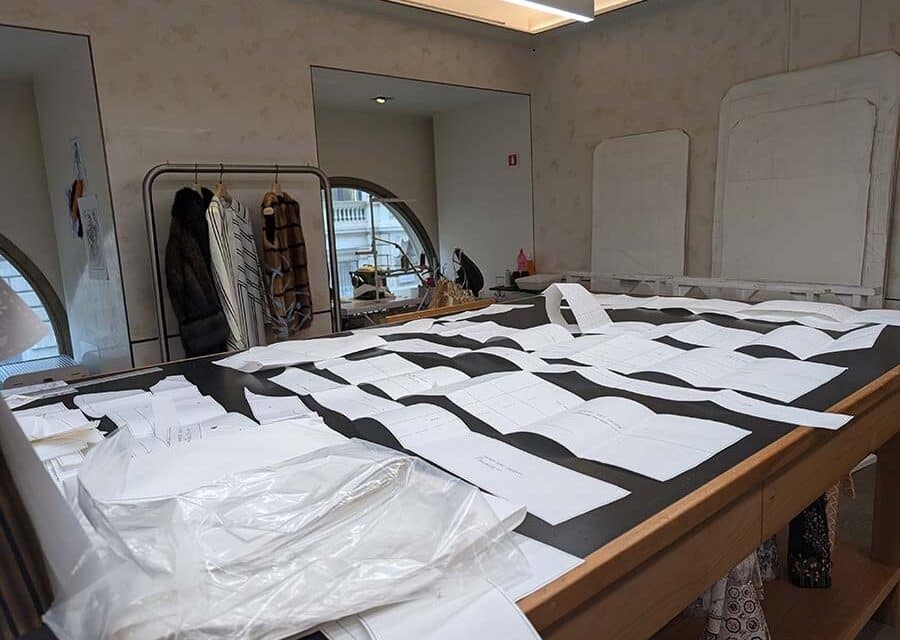
That stance is polarising, but it’s not accidental. Fendi literally began as a fur and leather business in Rome, and fur has stayed stitched into the brand’s DNA ever since — especially after Karl Lagerfeld arrived in 1965 and turned fur into a playground, coining the now-famous “FF / Fun Fur” mantra.
So when people ask, “Why didn’t Fendi ditch fur like everyone else?” the honest answer is: because fur is not an add-on category at Fendi. It’s the house story, the in-house know-how, and the atelier bragging rights — and they’ve spent decades turning it into something fashion (not just function).
The modern reason: Fendi frames fur as “responsible” and traceable
In recent years, Fendi has leaned hard into certification and sourcing language. On its own sustainability pages, Fendi says it adopted Furmark® in 2022 — a certification/traceability system for natural fur — and set a target of 100% certified Furmark® mink and fox pelts by 2025, with 2024 results listed as 100% Furmark-certified pelts.
That doesn’t end the ethical debate (more on that in a minute), but it does explain why Fendi believes it can keep fur while still claiming progress: the brand is positioning itself as the “regulated, traceable, craft-led” version of fur rather than the wild-west image many consumers associate with it.
The business reason (reading between the seams)
This part is interpretation, but it’s a sensible one: fur remains a high-margin luxury category, and Fendi’s competitive advantage is technical fur workmanship that many houses no longer have in-house at the same level. If you’re one of the few brands still able to make fur feel new — lighter, more flexible, more design-led — you don’t abandon that edge easily.
And that leads to the real headline for 2024/2025: Fendi is making fur lighter. Much lighter.
“Featherlike” Fur: How Fendi Made Fur Feel Travel-Ready
If traditional fur can feel like wearing a glamorous duvet, Fendi’s “Featherlike” technique is the exact opposite: it’s about removing bulk without losing the rich look people buy fur for.
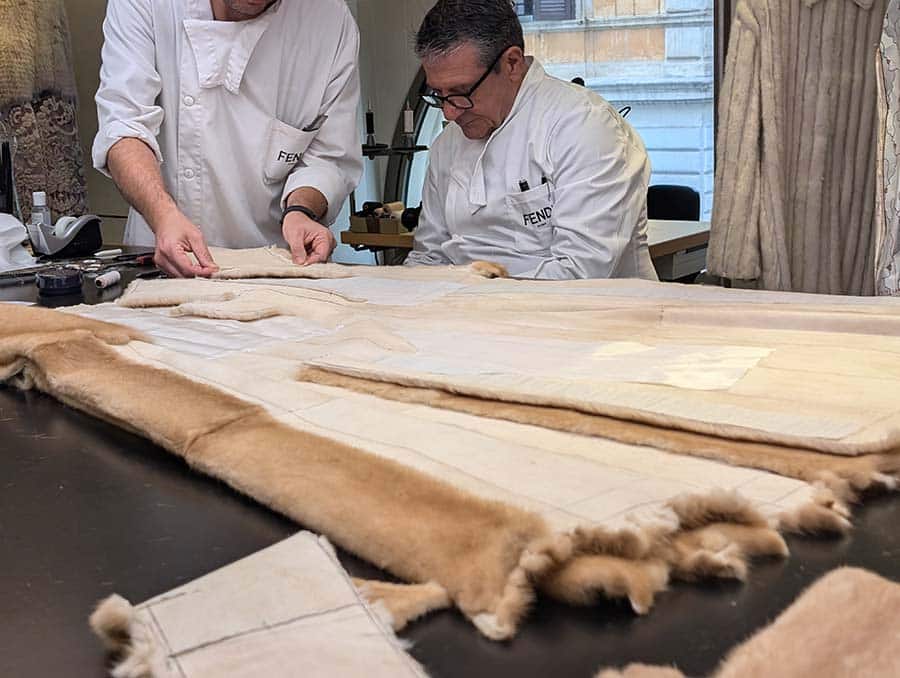
According to L’Officiel UK, the Featherlike effect comes from an artisanal “fur stripes” technique:
- the fur is cut into thin strips
- those strips are sewn onto a lightweight silk base
- the result creates striped/chevron motifs and patterned effects, while dramatically reducing weight
L’Officiel also notes that Featherlike pieces were initially created for warmer countries — the point being year-round wearability, not just winter insulation.
And importantly (because you mentioned sable), L’Officiel reports that the Featherlike craftsmanship appeared with precious sable fur in a women’s collection, combined with mink to create bicolour effects.
So yes — the idea you’re pushing is real: this is fur engineered for the modern wardrobe, where a woman might move between climates, airports, cars, dinners, and events without wanting something heavy, stiff, or season-limited.
The uncomfortable truth: Fendi is also one of the few still using new fur
Fashion media has been increasingly blunt about this. Vogue notes that Fendi is one of the few brands that still uses new animal fur, and quotes the brand saying it is in full compliance with regulations monitoring fur trade.
That “few brands” point matters because it explains why Fendi gets singled out. In 2024 reporting around Milan Fashion Week, anti-fur activists specifically targeted brands still using fur, including Fendi, while noting that many other prestige houses have renounced it.
And animal welfare organisations continue to argue that fur should not be framed as “coming back” in fashion at all.
That’s the reality: Fendi’s position isn’t neutral; it’s a choice. What Fendi is trying to do is shift the debate from “fur vs no fur” to “craft + certification + longevity + circularity.”
The pivot Fendi is making: circularity and “second life” fur
Here’s where it gets interesting for your audience — especially if you want to speak to women who love luxury but also want to feel less wasteful.
Fendi says it’s launching a Fur Restyling project from November 2025, aimed at giving a second life to furs from previous collections, remodelled/restyled by atelier artisans and sold in selected stores.
Whether someone sees this as genuine progress or strategic reputation management, it’s still a meaningful angle: Fendi is building a narrative that fur should last forever — altered, updated, inherited — rather than being disposable fashion.
For a styling article, that’s gold, because it supports the idea of buying fewer, better pieces and wearing them more ways.
Where Emily in Paris fits: “This is the real thing!”
Fendi didn’t just show up as a logo in Emily in Paris for Fendi it leaned into it as a marketing moment. On Fendi’s own site, the Emily in Paris feature literally uses the line: “This is the real thing!” and points viewers to Emily’s new Baguette as inspiration for a capsule of icons.
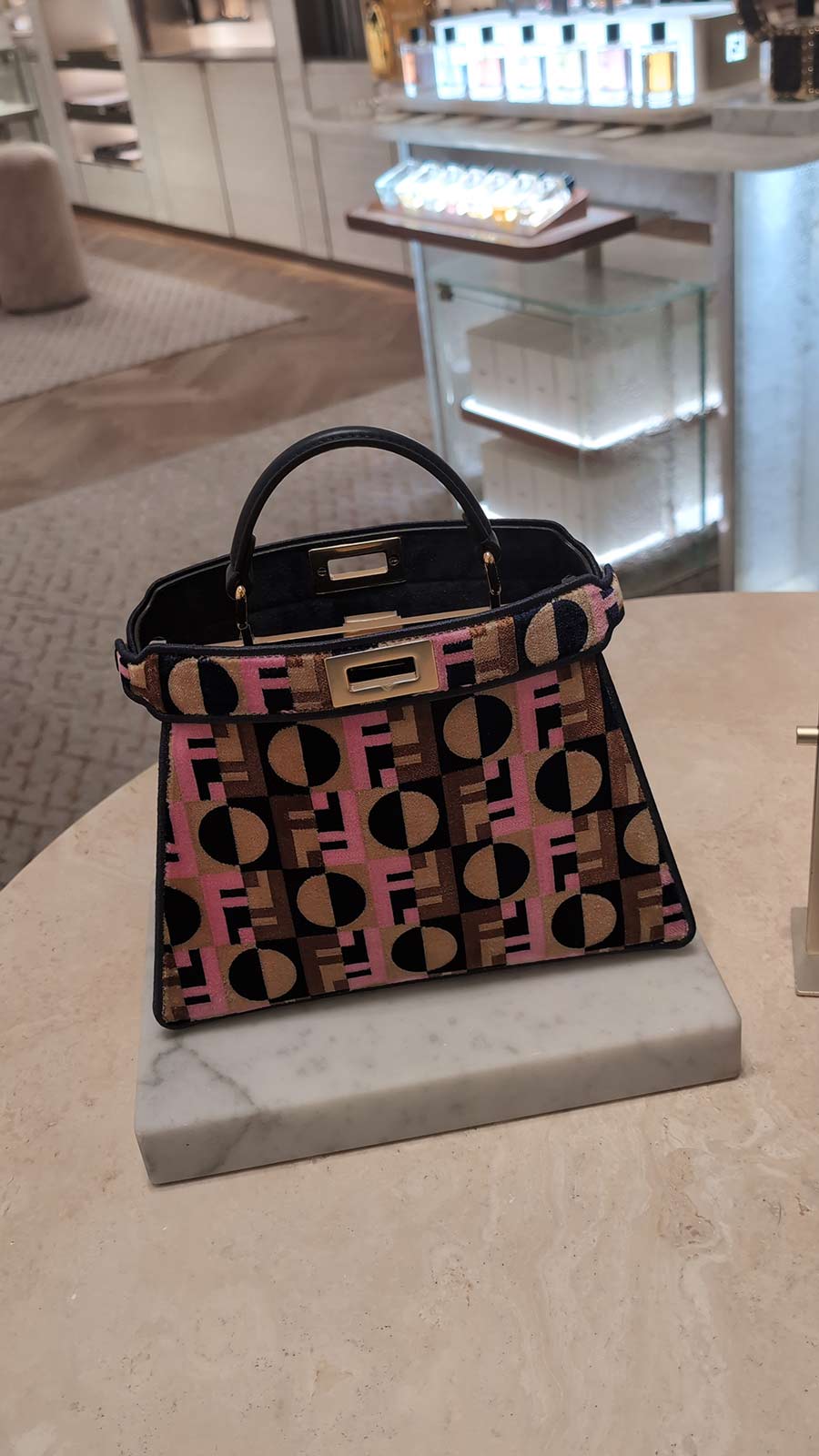
The capsule itself centres on Fendi’s hero bags — especially the Baguette and Peekaboo — in an Art Deco-ish, dot-and-FF graphic treatment.
So thematically, the show + Fendi are pushing the same message: authenticity, icons, “investment” style, and a playful retro mood.
But the lightweight fur? That’s more Mindy than Emily
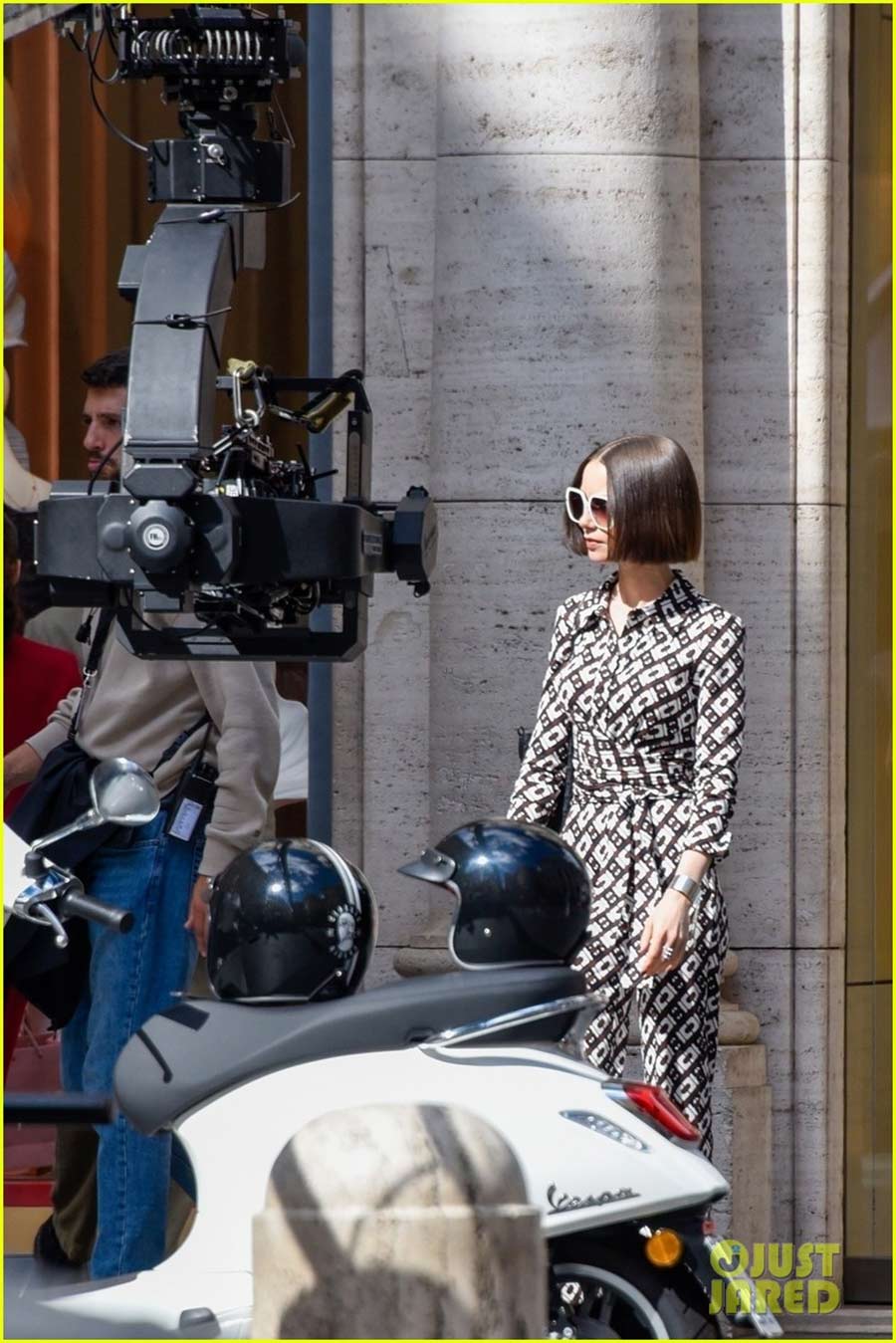
Emily’s style is quirky-polished: office outfits, sharp silhouettes, a lot of “main character on the way to a pitch meeting.” Mindy is the performer, the drama girl, the one who can wear something extra at 11am and make it look like a choice.
Lightweight “Featherlike” fur belongs to Mindy because it’s:
- tactile and theatrical (texture reads beautifully on camera)
- glamorous without being season-locked (perfect for travel scenes)
- designed to move (fur that moves feels modern)
Emily would carry the capsule Baguette to the meeting. Mindy would throw Featherlike sable over a slip dress and make it look like she just stepped out of a Roman nightclub at golden hour.
How to style Featherlike fur (retro, velvet, fun — without looking costume)
1) Treat it like a layer, not a coat
Because it’s lighter, you can style it like knitwear:
- Featherlike fur jacket + wide-leg trousers + fine turtleneck
- Featherlike fur capelet + denim + loafers
The vibe: luxury, not “midwinter survival.”
2) Velvet + fur = yes (but keep one of them simple)
Pick one hero texture and let the other support it:
- Velvet blazer (clean tailoring) + Featherlike fur scarf/stole
- Velvet slip dress + Featherlike fur cropped jacket
Keep jewellery minimal so it doesn’t turn into “party supply store.”
3) Use retro silhouettes, not retro “props”
Do:
- nipped waist
- A-line midi
- sharp shoulder
- cigarette pant
Avoid:
- beret + big bow + heavy print + statement fur + statement bag… all together.
4) Warm climate trick: build “cool” underneath
If you’re styling fur in places like Bangkok, Dubai, LA evenings:
- breathable base (silk cami, cotton poplin shirt, fine rib tank)
- Featherlike layer for photos/entrances/air-con interiors
That’s exactly where “Featherlike” makes practical sense.
5) Bag pairing (Emily in Paris energy)
If you’re carrying the capsule bag (dots/FF):
- keep outfit mostly solid
- echo the pattern once at most (hair accessory, tights, or a blouse detail)
The capsule bags are already loud, by design.
The bottom line
Fendi never ditched fur because fur is foundational to the house — historically, creatively, and technically.
What’s changed is the argument Fendi makes for keeping it: certification and traceability on one side, and innovation on the other — with Featherlike proving that fur doesn’t have to be heavy, seasonal, or stiff to read as luxury.
If you want, paste your exact item (jacket/hood/coat/stole) + what colour it is, and I’ll write 3 Mindy-style outfits and 3 Emily-style outfits around it (plus which one will look best on YouTube footage).











You must be logged in to post a comment.