
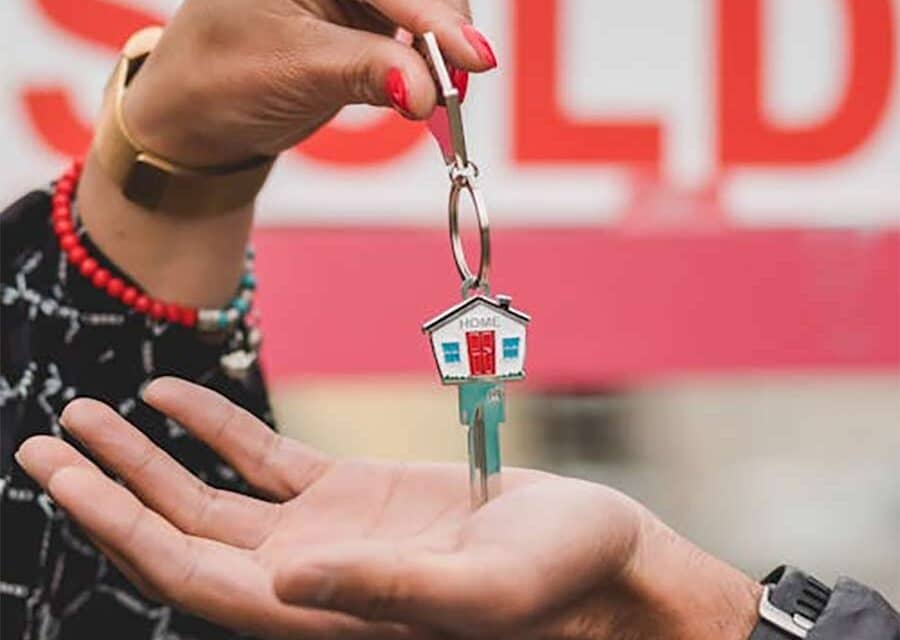
Your first real estate investment is exciting, slightly terrifying, and full of big dreams, right? You’ve heard how investing in property can be a way to future financial freedom and steadier gains that you can get elsewhere and you can’t wait to get started. You’re calculating your cash flow and browsing Zillow like there’s no tomorrow, and you feel like you’re ready, but before you go ahead and take the plunge, you might want to take a step back and make sure that you really are doing everything right. Here are a few things that will help you with that.
Start With a Clear Goal (Not Just “Make Money”)

Okay, so you want to make money with your real estate investment, everyone does and there would be little point in even bothering otherwise, all of that goes without saying, but you need to get more specific than that. So, before you look at listings, get clear on why you’re investing. Are you aiming for monthly cash flow, long-term appreciation, or a mix of both? Do you want something hands-on, or mostly passive?
Your goal influences everything from the type of property you buy to the neighborhood you choose. A rental meant to generate steady income looks very different from a property you plan to renovate and sell quickly. Clarity upfront prevents confusion (and regret) later.
Choose a Beginner-Friendly Property
Not all investments are created equal, especially for first-timers. Simple is good. A single-family rental or small multi-unit property is usually far easier to manage than a complex commercial deal or a vacation rental with constant turnover.
Avoid properties that require extensive renovations unless you have experience, time, and a strong contractor team. Your first investment should build confidence, not test your sanity.
Run Conservative Numbers
It’s tempting to assume best-case scenarios when you’re new. Resist that urge. Successful investors plan for things to go wrong, and are pleasantly surprised when they don’t.
Therefore, you will want to estimate rent realistically, not optimistically. Include vacancy periods, maintenance, repairs, property management, taxes, and insurance. If the deal only works when everything goes perfectly, it’s probably not the right first investment.
Understand the Neighbourhood Like a Local
Location matters more than almost anything else. A modest property in a strong area often performs better than a “great deal” in a struggling neighborhood.
Research local employment, rental demand, school quality, crime trends, and future development plans. Visit the area in person if possible. A neighborhood that feels stable and in demand will make finding tenants and maintaining value much easier.
Do Proper Due Diligence (No Shortcuts)
This is where many new investors get into trouble – by rushing. Due diligence protects you from expensive surprises, so it is one of the most important, and valuable things you can do during this process of making your first real estate investment.
Always get a professional inspection. Review property records, permits, and any existing leases. And don’t rely solely on listing prices or online estimates to judge value. Working with a property appraiser as part of your due diligence gives you an independent, data-backed view of what the property is truly worth. That insight can help you avoid overpaying and strengthen your negotiating position.
Build a Small but Mighty Team
You don’t need a huge team, but you do need the right people. A knowledgeable real estate agent, a reliable inspector, a trusted contractor, and a tax professional who understands real estate can make your first investment much smoother.
Good advice early on can save you far more than it costs. Bad advice, or no advice, often does the exact opposite.
Prepare for Ongoing Ownership
Buying the property is just the beginning. As an investor, you’re responsible for maintenance, tenant communication, and problem-solving.
Set aside cash reserves for repairs and unexpected expenses. Decide early whether you’ll self-manage or hire a property manager. Planning for ownership responsibilities upfront prevents stress later.
Don’t Let Emotions Drive Decisions
It’s easy to get attached to your first deal. That attachment can cloud judgment and push you into overpaying or ignoring red flags.
It’s easy to get attached to your first deal. That attachment can cloud judgment and push you into overpaying or ignoring red flags. There will always be another opportunity. The best investors aren’t the ones who buy the fastest – they’re the ones who most often buy wisely.
If you do all of the above and you stay sensible and keep learning, then there is no reason why your first, last and every real estate investment in between, cannot be a sound one.











You must be logged in to post a comment.