
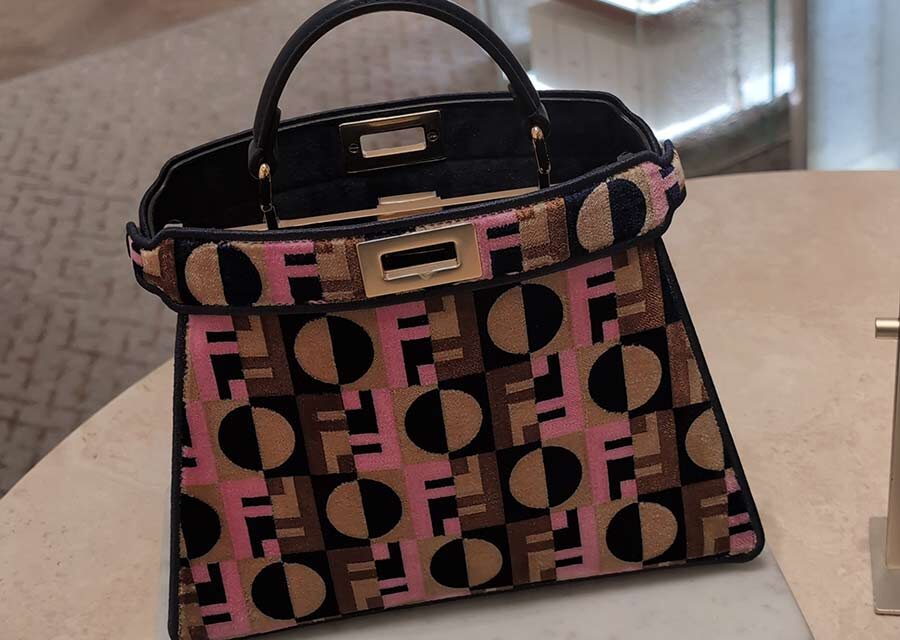
Selling designer fashion on Vestiaire Collective has taught me something very important: the most expensive brand is not necessarily the easiest brand to sell.
I am a Vestiaire Collective Expert Seller, and over time I have learned that buyers behave very differently depending on the item, the condition, the price and, most importantly, whether there is a real reason to want it.
Some pieces can sit there despite having an impressive designer label. Others disappear surprisingly quickly.
Vintage is particularly interesting. A scratched Fendi bag can attract more attention than an immaculate but anonymous handbag. A pair of Prada heels from twenty years ago can suddenly look far more desirable than a pair of contemporary shoes. And certain discontinued brands have developed their own following simply because shoppers can no longer walk into a store and buy them.
Here are the brands and types of products I have found especially interesting to sell on Vestiaire Collective.
Fendi Baguette Bags – Even When They Are Far From Perfect
If there is one handbag I would always look twice at when sourcing vintage, it is the Fendi Baguette.
The Baguette has something many designer bags don’t have: identity.
You can recognise it across a room.
It became one of the defining handbags of the late 1990s and early 2000s, and the huge number of fabrics, colours, embroidery styles and finishes means buyers can hunt for a version that feels genuinely personal.
What has surprised me is that condition doesn’t always kill the sale.
Naturally, a pristine Baguette will command considerably more money. But older Fendi Baguettes showing signs of wear can still be desirable.
A worn corner, ageing leather or an imperfect interior doesn’t necessarily make the bag worthless.
With the right price, buyers understand they are purchasing vintage.
In some ways, the ageing is part of the appeal.
My advice is never to disguise the condition. Photograph everything: corners, handles, hardware, inside lining and any marks. There is a buyer for an imperfect designer bag, but that buyer wants to know exactly what is arriving.
An honest €300 bag is far easier to sell than a €600 bag photographed cleverly to hide its faults.
Vintage Prada Heels
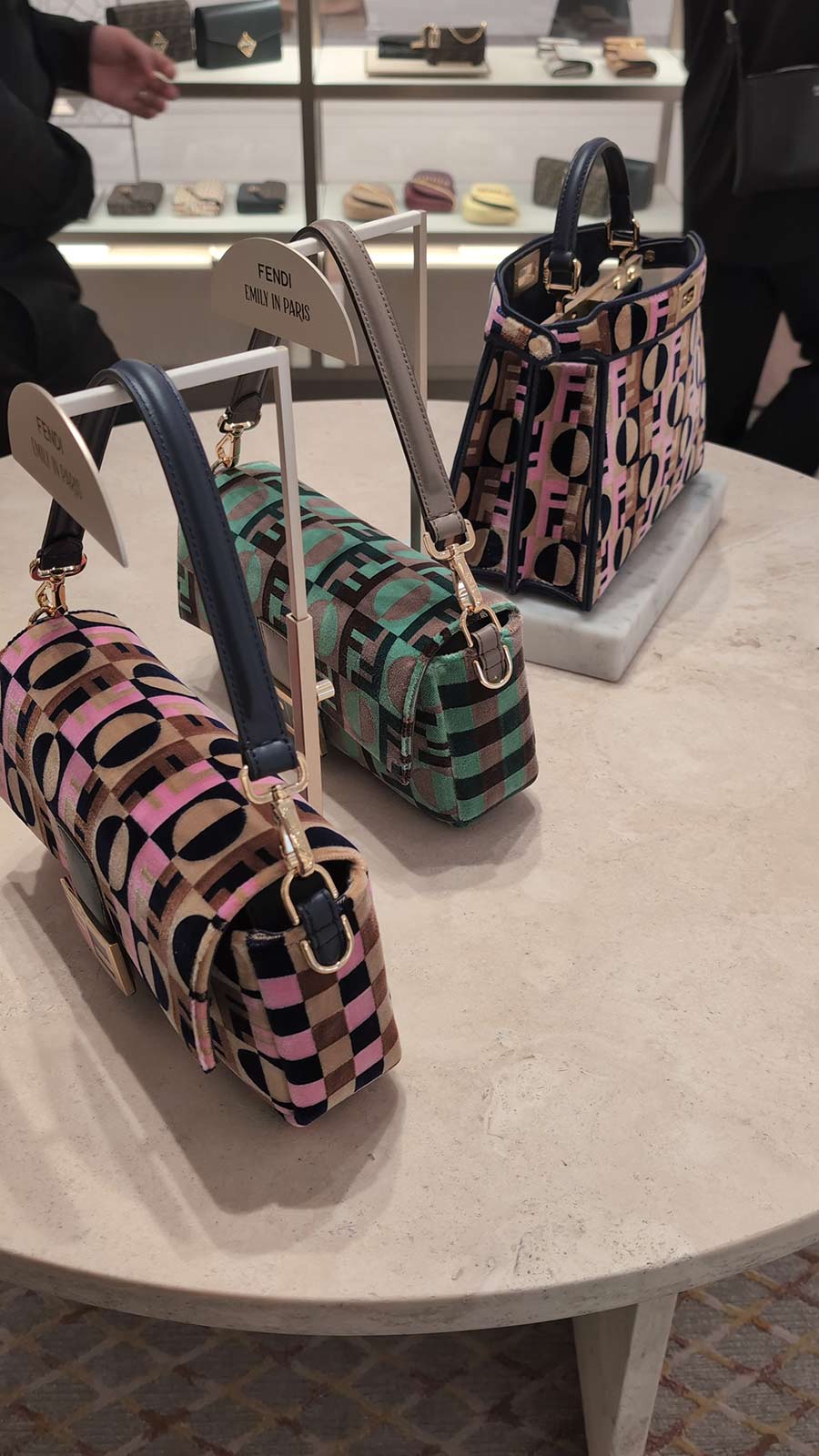
Vintage Prada heels are another category I love.
Prada footwear from previous decades can have incredible shapes. Some designs are architectural, strange, feminine or wonderfully understated in a way that makes them look interesting again today.
Fashion also moves in circles.
Pointed toes come back. Kitten heels come back. Square toes come back. Minimalist 1990s styling comes back.
Suddenly, something that has been sitting inside a wardrobe for twenty years looks contemporary again.
This is where vintage shoppers are clever.
They are not necessarily searching for “old shoes”. They are looking for a design that nobody else has.
For Prada heels, condition obviously matters. Photograph the soles, heel tips, leather and inside labels carefully. But don’t assume a pair isn’t worth listing simply because it has been worn.
I sold these Prad at a great price, worn once.
Prada Trousers – Especially Wool
One category people often overlook is designer trousers.
Vintage Prada wool trousers can be excellent pieces to sell.
Prada’s strength has always been its ability to make apparently simple clothing feel different when you put it on.
A pair of black, charcoal or brown wool trousers doesn’t scream for attention in photographs, but that is exactly why they work.
They can become part of someone’s wardrobe rather than being bought for one occasion.
Measurements are critical here.
Never rely purely on the size written on the label, especially with vintage Italian clothing. Give the waist measurement, inside leg, rise and overall length.
Someone buying vintage Prada already understands that a label saying size 42 doesn’t tell the entire story.
Vintage Fendi Jewellery
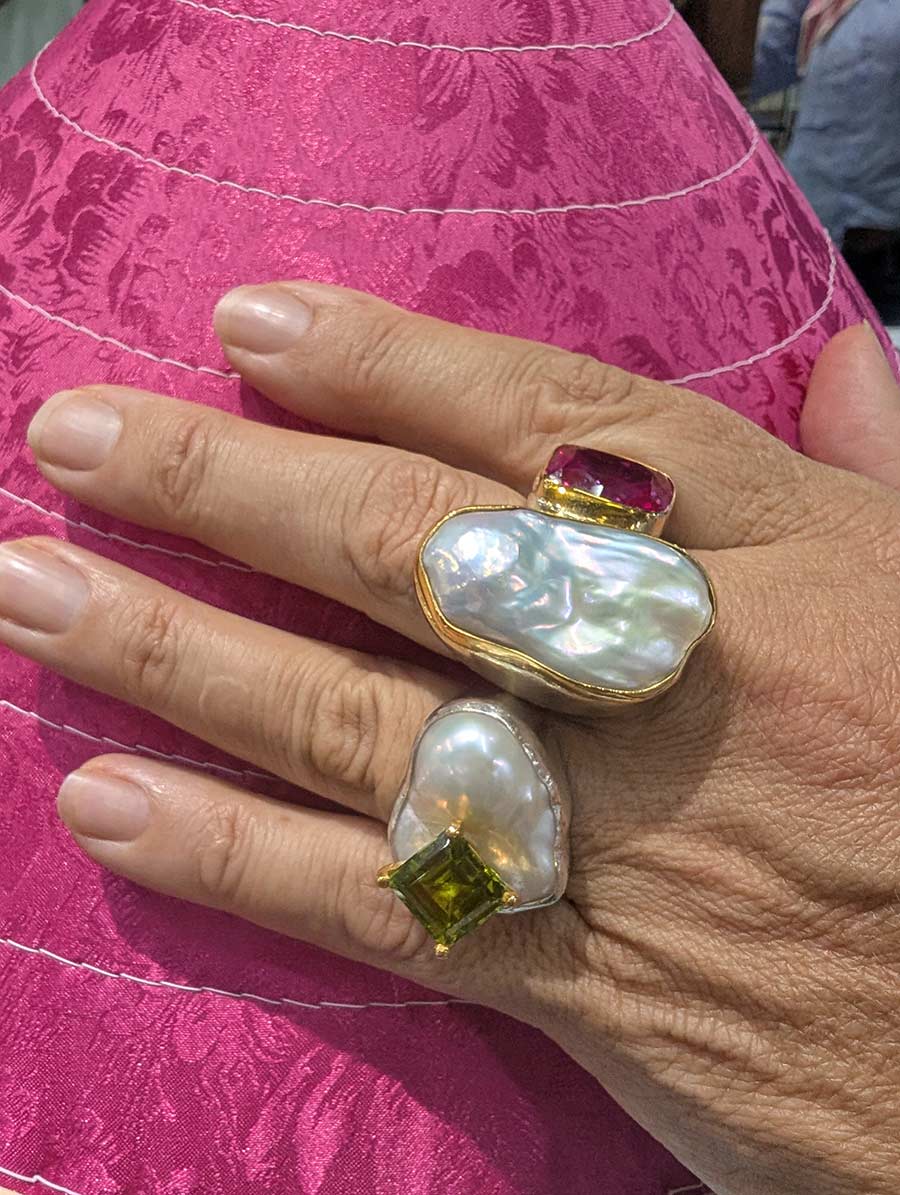
Don’t overlook Fendi costume jewellery.
Vintage designer jewellery works beautifully on resale platforms because it gives buyers access to a luxury house without having to spend handbag money.
Older earrings, necklaces, bracelets and statement pieces can also feel more individual than current mass-produced accessories.
Logos help, of course, but design matters too.
Chunky gold-tone pieces, FF motifs and strong 1980s, 1990s or Y2K styling can make relatively small items visually powerful.
Jewellery is also easy to store and easy to photograph, which makes it an attractive category for sellers.
Again, show wear honestly. Vintage gold-tone jewellery may have tarnishing or plating loss. Buyers will forgive age. They won’t forgive surprises.
Uterqüe – The Spanish Brand That No Longer Exists
This is one of my favourite resale-market observations.
Uterqüe is no longer around in the form shoppers once knew it, and that makes older pieces interesting.
It was the more elevated Spanish sister within the Inditex world, with stronger fabrics, leather goods, unusual accessories and clothing that often felt much more expensive than conventional high-street fashion.
Because the brand disappeared, you can’t simply walk into Uterqüe today and replace something.
That creates scarcity.
Not everything carrying the label is suddenly valuable, of course. But standout Uterqüe pieces can be worth listing, especially leather, unusual jackets, statement shoes and beautifully made accessories.
This is also a reminder that resale isn’t only about Chanel, Dior and Hermès.
Sometimes a discontinued mid-market brand can have more enthusiastic buyers than a designer brand nobody is currently searching for.
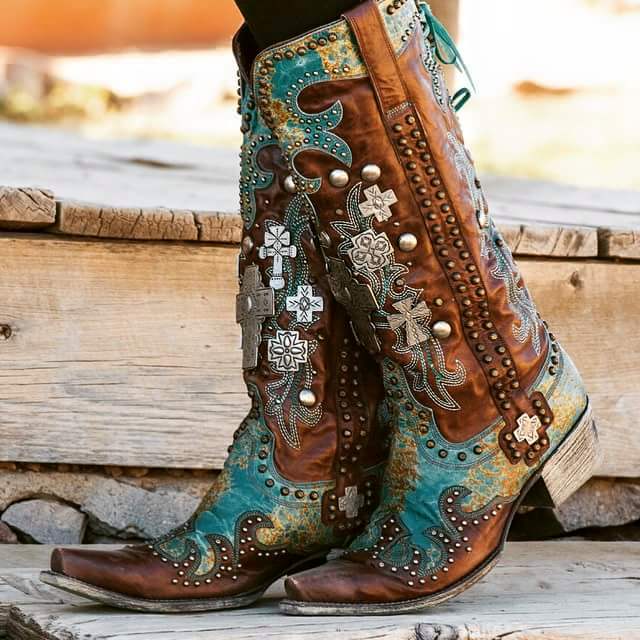
New Italian Flat Shoes – Church’s and Tod’s
There is another completely different market on Vestiaire: the buyer who doesn’t necessarily want vintage at all.
They want an excellent luxury item at a sensible price.
This is where new or never-worn Italian footwear can work extremely well.
Brands such as Church’s and Tod’s have recognisable quality. Buyers know what a beautifully made loafer, driving shoe or flat costs at retail.
If they can find an unworn pair at a substantial saving, the proposition is easy to understand.
For shoes, “new, never worn” is powerful.
Keep the original box, dust bags, tissue paper and spare components whenever possible. Photograph the soles because buyers immediately want proof that the shoes haven’t been worn outside.
Classic colours are also easier: black, tan, chocolate brown, navy and neutral shades have much larger potential wardrobes around them.
I particularly like sourcing Italian shoes because quality can be obvious even through photographs. Beautiful stitching, leather and construction sell the product.
Campomaggi – But Price It Aggressively
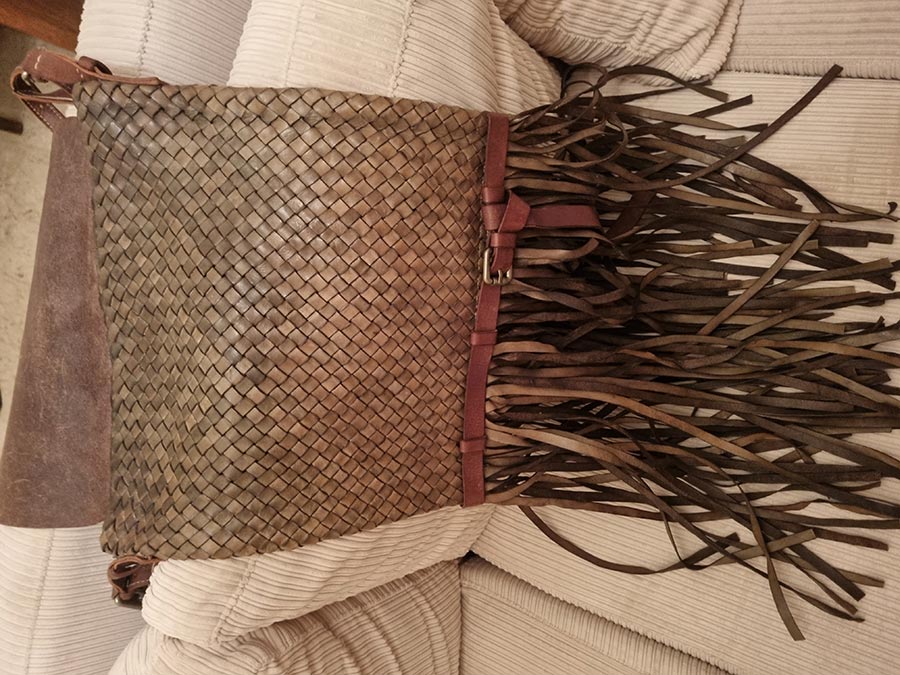
Campomaggi is an interesting example because this is where sellers need to forget retail pricing.
I like the brand. Its Italian leather bags have character, substantial leather and an intentionally aged aesthetic.
But resale shoppers are price sensitive.
My experience is that Campomaggi works when it represents real value.
Think below roughly €130, depending on the bag and its condition, rather than trying to recover anything close to the original retail price.
At the right price, it is an appealing proposition: a proper Italian leather bag with personality for roughly the cost of a mass-market new handbag.
At the wrong price, the buyer starts comparing it with second-hand designer labels.
This is perhaps the biggest lesson I have learned selling fashion online.
Stop Thinking About What It Cost
Sellers become emotionally attached to retail prices.
“I paid €700 for this.”
Unfortunately, the resale market doesn’t care.
The correct price is determined by what somebody wants to pay today.
A €700 item can be difficult to sell for €180.
Meanwhile, a vintage bag bought years ago for relatively little might suddenly become desirable and sell for considerably more than expected.
You have to separate what you paid from what the market sees.
Condition Matters – Except When the Item Matters More
There are two competing forces on Vestiaire.
Condition and desirability.
For ordinary products, condition usually wins. The cleaner and newer the item, the easier it is to sell.
But when something becomes collectible, rare or visually distinctive, desirability can become more important than condition.
This is exactly why an imperfect vintage Fendi Baguette can still find a buyer.
The buyer isn’t asking:
“Can I find another handbag in better condition?”
They are asking:
“Can I find this Fendi Baguette again?”
That is an entirely different buying psychology.
What I Look for When Buying to Resell
After selling fashion for some time, I increasingly look for pieces that have at least one strong reason to exist on Vestiaire.
That could be:
- an iconic shape such as the Fendi Baguette;
- a strong vintage designer name such as Prada;
- a discontinued brand such as Uterqüe;
- new luxury footwear at a substantial discount;
- distinctive vintage jewellery;
- excellent Italian leather at a compelling price;
- or simply something unusual enough that a buyer won’t easily find another one.
What I don’t want is something that is merely expensive.
Expensive does not equal desirable.
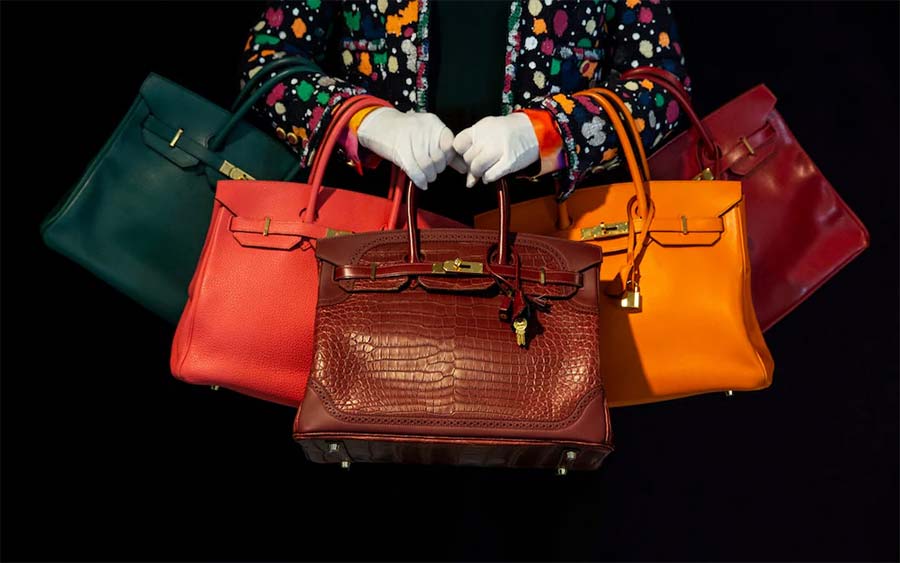
Photographs Sell Fashion
Never underestimate photography.
Show texture.
Show stitching.
Show labels.
Show soles.
Show corners.
Show the interior.
And if there is damage, show the damage.
An Expert Seller shouldn’t be trying to hide flaws. Good resale is about giving the buyer enough confidence to make a decision.
I would rather show twelve detailed photographs and sell something for slightly less than have a buyer disappointed when the parcel arrives.
The Expert Seller Lesson
Vestiaire Collective is fascinating because it is effectively a global fashion market happening in real time.
You begin to understand what people actually value.
For me, some of the categories worth watching are Fendi Baguette bags, vintage Prada footwear and wool trousers, vintage Fendi jewellery, discontinued Uterqüe pieces, unworn Church’s and Tod’s shoes and well-priced Campomaggi leather bags.
But the bigger lesson is this:
Sell the story, scarcity, quality and usefulness of the piece – not the original retail price.
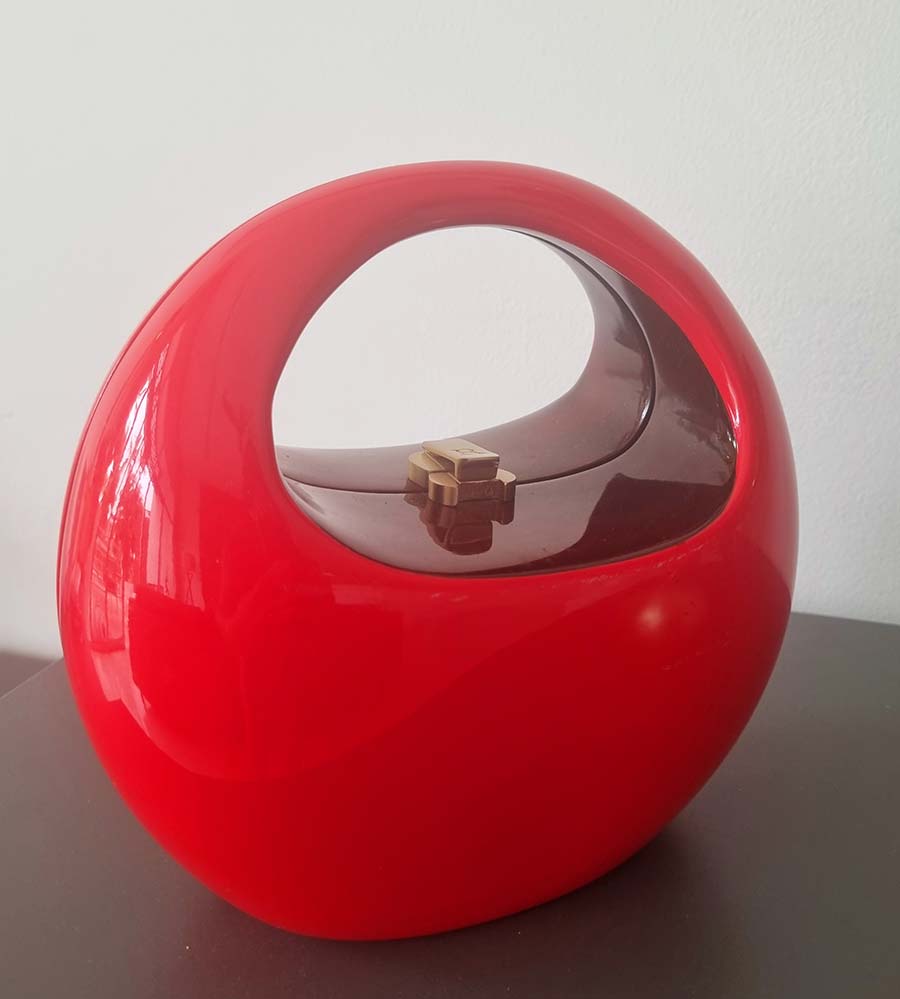
A battered but iconic Fendi can have a future.
A pair of forgotten Prada heels can become fashionable again.
A discontinued Spanish label can suddenly have collectors searching for it.
And a pair of immaculate Italian shoes can find a new owner simply because somebody recognises exceptional quality at the right price.
That is what makes luxury resale so addictive.
You never quite know which forgotten piece in a wardrobe is going to become desirable next.











You must be logged in to post a comment.